

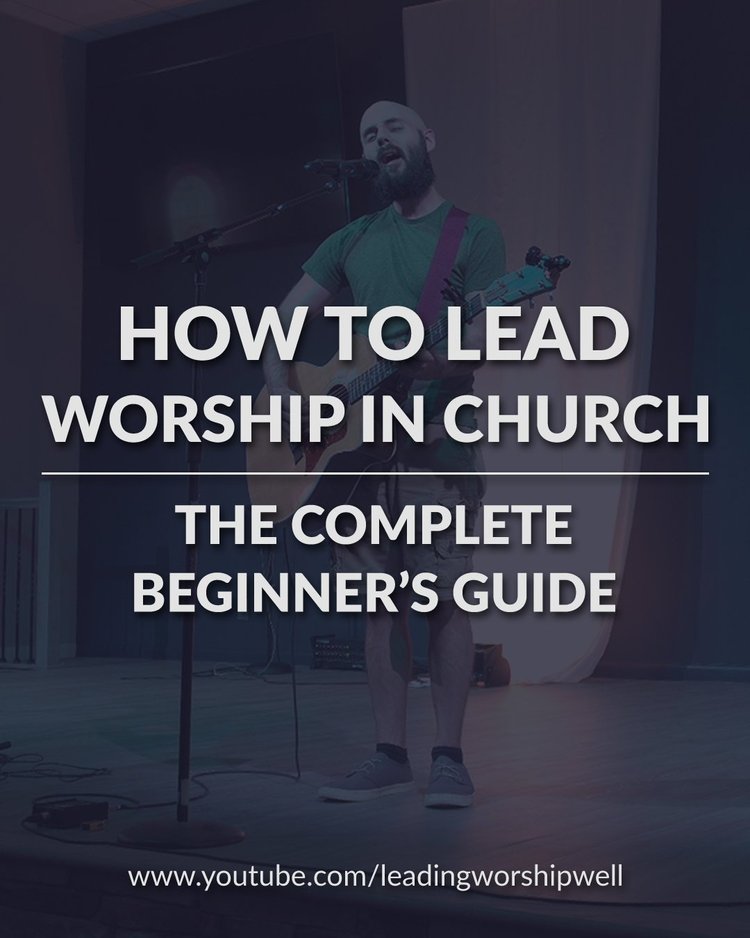
Every time a worship leader steps onto the platform, they enter a space where sound, spirit, and story converge. For those just beginning this journey, the experience can feel like navigating an unfamiliar labyrinth—an exhilarating blend of responsibility and reverence. This guide offers a compassionate roadmap, blending practical tactics with soul‑deep insight, so that newcomers can lead with confidence, authenticity, and a heart attuned to the pulse of the congregation.
Understanding the Call to Lead
The call to lead worship is more than a title; it is an invitation to shepherd a communal moment of transcendence. Many novices discover this call after a stirring experience during a song or a quiet prayer, noticing how a single melody can stir emotions that linger for days. That fascination often springs from a desire to facilitate that same resonance for others. Recognizing the call means acknowledging that you are a conduit for collective praise, not merely a performer. Embrace humility, for in that posture lies the capacity to open doors for the Holy Spirit to move.
Cultivating Inner Stillness and Prayer
Before the first chord is struck, a worship leader must engage in intentional stillness. The practice of centering prayer—perhaps a few minutes of silence before rehearsal—creates a mental clearing house, allowing worries to dissolve and space for divine inspiration to fill. In this quiet, one can ask for guidance, clarity, and protection against the temptation of ego. Regular devotional habits, such as journaling reflections on scripture or hymnody, deepen spiritual awareness. When the inner life is anchored, outward expression flows with a steadiness that steadies the entire assembly.
Mastering the Musical Mechanics
While the spirit is paramount, the craft of music undergirds every worship moment. Novices should invest time in understanding keys, tempos, and harmonic progressions that best suit the congregation’s voice. Choose songs that progress from contemplative to celebratory, allowing emotional arc to build naturally. Rehearse with a metronome to internalize rhythmic consistency, and practice vocal warm‑ups to preserve tone clarity. Familiarity with common chord voicings—such as open position or barre chords—offers flexibility, especially when leading spontaneously. The goal is not perfection, but competence that frees the heart to focus on worship.
Creating a Sacred Atmosphere
Environment shapes perception. Lighting, acoustics, and even the arrangement of seats can either invite reflection or distract attention. A worship leader can collaborate with facilities staff to dim overhead lights slightly, use soft instrumental preludes, and ensure microphones are positioned to capture spoken prayers without harsh feedback. Visual cues—such as a simple candle or a projection of hymn lyrics—guide the eye without overwhelming it. When the atmosphere feels intentional, congregants are more likely to settle into a mindset of reverence, allowing the music to act as a melodic conduit for divine presence.
Engaging the Congregation Authentically
Authenticity is the heartbeat of worship leadership. Rather than adopting a polished stage persona, let genuine emotion surface. If a lyric stirs gratitude, let that gratitude be visible in facial expression and body language. Speak directly to the assembly, offering brief testimonies or personal anecdotes that tie the song to lived experience. Encourage participation by inviting the congregation to raise hands, close eyes, or sing harmony parts when appropriate. Simple gestures—like a gentle hand motion or a pause for silence—signal that the moment is shared, not performed. When leaders reveal their own vulnerability, they invite others to do the same.
Navigating Challenges and Moments of Uncertainty
Even seasoned worship leaders encounter technical glitches, unexpected tempo shifts, or sudden emotional surges. A beginner can prepare by developing a “flexible setlist” that includes alternate songs in different keys or time signatures. Having a backup instrument, spare batteries, or a printed order of service reduces panic when the unexpected occurs. If a song feels forced, gracefully transition to a responsive prayer or a brief silence, allowing the Holy Spirit to fill the gap. Embrace mishaps as teaching moments; a missed chord can become a metaphor for human imperfection and divine grace. Resilience is built through practice, patience, and prayer.
Growing as a Worship Leader Over Time
Growth is a lifelong trajectory. Seek mentorship from experienced leaders, attend workshops on worship theology, and explore diverse musical traditions—gospel, chant, contemporary, or folk—to broaden your sonic palette. Record your sessions for self‑review, noting where engagement faltered or where the congregation’s energy peaked. Feedback from peers and congregants offers valuable perspective, while personal reflection sharpens self‑awareness. Over months and years, the once‑nervous beginner will evolve into a seasoned guide whose leadership is marked by humility, insight, and a vibrant, authentic connection to the divine narrative.
In the end, worship leading is a sacred partnership between preparation and surrender. By grounding yourself in prayer, mastering musical fundamentals, and cultivating genuine connection, you create a space where Heaven and earth intersect. Let each song be a story, each silence a breath, and each congregation a tapestry of faith woven together by the power of shared praise.

