

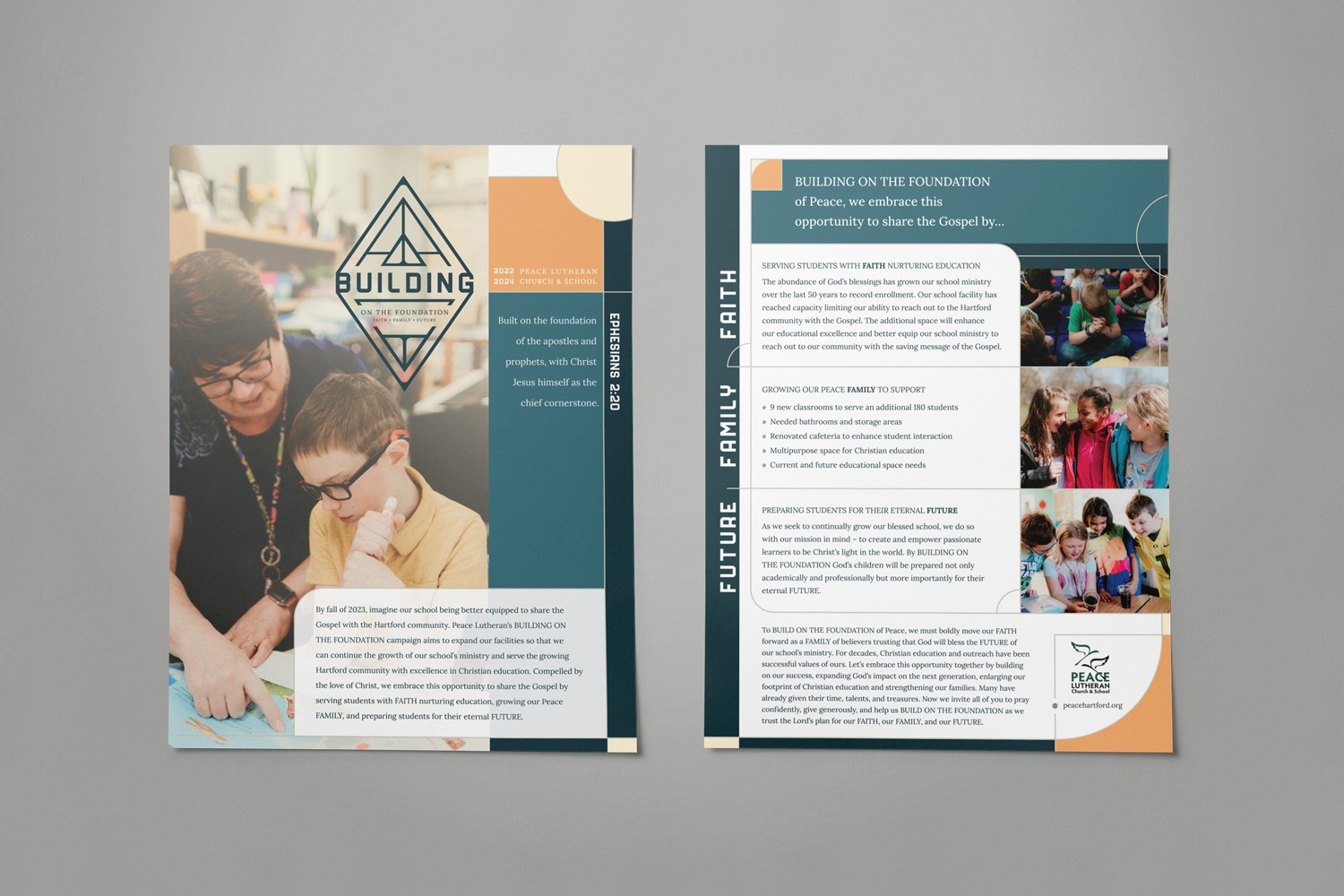
Church capital campaigns are more than just financial drives—they are transformative journeys that redefine community, purpose, and legacy. When a congregation embarks on such an endeavor, it’s not merely about raising funds; it’s about rallying hearts, inspiring action, and forging a shared vision for the future. Yet, despite their potential, many campaigns falter, not due to lack of need, but because of misaligned strategies, overlooked nuances, or a failure to connect deeply with the people they aim to serve. The difference between a campaign that stumbles and one that soars often lies in the details—those subtle, often unspoken elements that turn obligation into devotion.
The Psychology of Generosity: Why People Give (Or Don’t)
At the heart of every capital campaign is a fundamental question: what compels people to open their wallets? The answer isn’t just about need or tax benefits—it’s about emotion, identity, and belonging. Studies in behavioral economics reveal that people give when they feel a personal connection to the cause, when they see tangible impact, and when they believe their contribution will be part of something greater than themselves. Yet, too many campaigns treat donors as transactional entities, sending impersonal appeals that fail to resonate on a human level. The most successful campaigns, however, speak to the soul. They don’t just ask for money; they invite people into a story—a narrative where every dollar becomes a brick in a cathedral of shared purpose. The key lies in reframing the ask: instead of “We need $2 million,” it becomes “Together, we can build a sanctuary that will echo with generations of worship.”
Storytelling That Transcends Spreadsheets
Numbers alone don’t inspire. A campaign’s success hinges on its ability to paint a vivid picture of what’s possible. This is where storytelling becomes an art form. The most compelling campaigns don’t just list project goals; they weave a tapestry of hope, struggle, and triumph. Consider the church that shares the story of a single mother whose child found solace in the new youth center funded by the campaign. Or the elderly couple who, after decades of tithing, finally see their dream of a memorial garden come to life. These narratives do more than inform—they evoke empathy, ignite passion, and create a sense of urgency. The best storytellers in capital campaigns are those who understand that people don’t give to projects; they give to people and the futures those projects enable.
The Power of Vision Casting: Painting the Future in Vivid Strokes
A vision isn’t just a goal—it’s a destination. Yet, too many campaigns present a laundry list of needs without articulating the transformative potential of meeting them. A vision casts a spell, pulling people into a future they can almost touch. It answers the unspoken question: “What will this change for me, for my family, for our community?” The most effective vision statements are not abstract or bureaucratic; they are visceral and immediate. Instead of “We will expand our facilities,” a powerful vision might read: “Imagine a place where the lonely find belonging, where the weary find rest, and where the next generation discovers faith in action.” This kind of language doesn’t just describe a building—it describes a movement. It transforms donors from spectators into participants in a grander narrative.
Engagement Over Extraction: Building a Culture of Philanthropy
Capital campaigns often suffer from a critical flaw: they treat donors as ATMs rather than partners. The most sustainable campaigns, however, cultivate a culture of philanthropy long before the first dollar is pledged. This means involving the congregation in every phase—from planning to celebration. It means creating opportunities for people to contribute not just financially, but through time, skills, and prayers. When people feel ownership, they give more freely. This might look like a “vision team” of lay leaders who help shape the campaign’s messaging, or small group discussions where members share their hopes for the church’s future. The goal isn’t just to raise funds; it’s to raise a community of believers who see generosity as a way of life, not a one-time obligation.
The Art of the Ask: When, How, and Why It Works
Asking for money is an art form, one that requires finesse, timing, and courage. The most effective asks are personal, specific, and tied to a clear vision. A generic email blast or a bulletin insert rarely moves the needle. Instead, success lies in one-on-one conversations where donors are invited to be part of something extraordinary. The ask should never be about the church’s needs alone; it should be about the donor’s desire to leave a legacy. A well-crafted ask might sound like this: “We see in you someone who has always been a pillar of this community. This campaign is your chance to help shape the next chapter of our story.” The language is warm, the invitation is clear, and the donor is positioned as the hero of the narrative. Timing matters, too. The most opportune moments for asks are often during times of reflection—like stewardship Sundays or small group gatherings—when hearts are already primed for generosity.
Overcoming the Fear of the Unknown: Transparency as a Trust Builder
Fear is the silent killer of capital campaigns. Fear of misused funds, fear of financial mismanagement, fear of not meeting the goal. The antidote? Radical transparency. People give generously when they trust the process. This means providing clear, accessible financial updates, sharing stories of progress, and being honest about challenges. A campaign that hides its struggles or glosses over setbacks risks eroding trust at the worst possible moment. Instead, campaigns should embrace vulnerability. Share the numbers, yes—but also share the faces behind them. Highlight the volunteers who are pouring their time into the effort, the donors who are leading by example, and the families who will benefit from the new facilities. Transparency isn’t just about accountability; it’s about creating a sense of shared responsibility where every contributor feels like a stakeholder in the outcome.
The Ripple Effect: How Campaigns Transform Communities Beyond the Church
The impact of a capital campaign often extends far beyond the church walls. A revitalized facility can become a hub for community events, a shelter for the homeless, or a classroom for after-school programs. The most successful campaigns recognize this ripple effect and leverage it to broaden their reach. They partner with local organizations, invite non-members to participate in events, and position the church as a beacon of hope in the community. This outward focus not only increases the campaign’s visibility but also deepens its roots in the neighborhood. When people see the church not just as a place of worship but as a force for good, they are more likely to invest—both financially and spiritually. The best campaigns don’t just build buildings; they build bridges.
Celebration: The Often-Overlooked Secret to Campaign Longevity
Too many campaigns end the moment the last dollar is raised. But the most enduring ones recognize that celebration is not an afterthought—it’s a cornerstone. A well-planned celebration does more than mark a milestone; it reinforces the campaign’s narrative, strengthens community bonds, and sets the stage for future generosity. This might take the form of a dedication service, a community festival, or a series of testimonials from those whose lives have been touched by the campaign’s impact. The key is to make the celebration personal. Invite the donors to share their stories. Highlight the volunteers who made it possible. Show the before-and-after images of the transformed space. When people leave the celebration, they shouldn’t just feel proud—they should feel inspired to keep giving, to keep dreaming, and to keep building.

