

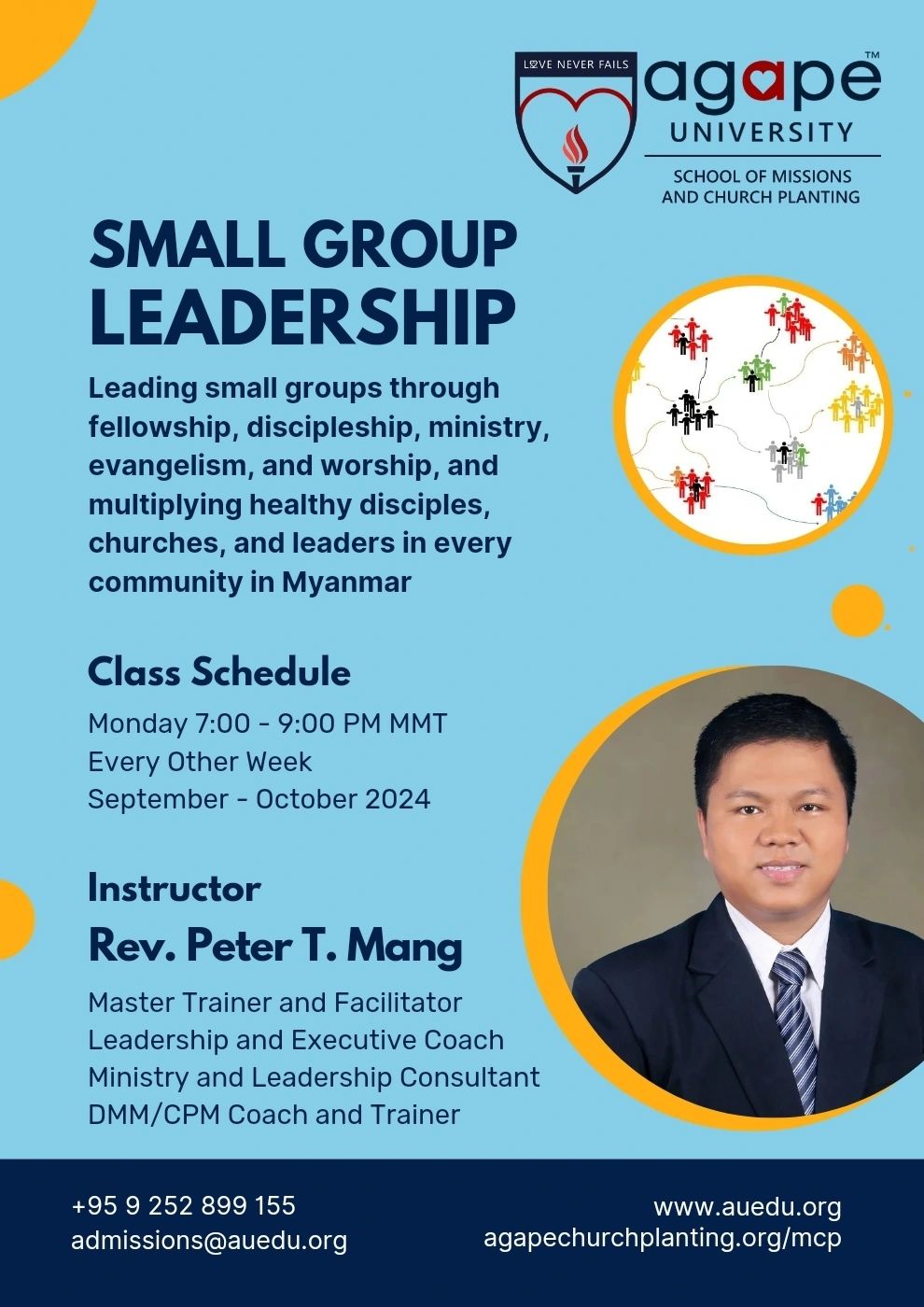
Leadership in the church is not merely about guiding congregations—it is about shepherding souls, nurturing faith, and embodying the transformative power of Christ’s teachings. Yet, the art of leading a spiritual community is one of the most complex and rewarding callings in the world. Pastors and church leaders often find themselves at the intersection of divine calling and human frailty, where the weight of responsibility meets the grace of service. The fascination with church leadership courses stems from this very tension: the relentless pursuit of excellence in ministry while grappling with the imperfections of human leadership. These courses are not just academic exercises; they are crucibles where faith and leadership are forged into something greater than the sum of their parts.
The Essence of Pastoral Leadership: More Than Just a Title
At its core, pastoral leadership is a sacred vocation, a calling that demands more than administrative prowess or charismatic charm. It is a fusion of spiritual depth, emotional intelligence, and strategic foresight. The best pastors are not merely preachers; they are shepherds who understand the terrain of their flock’s hearts. They recognize that leadership in the church is not about control but about cultivation—nurturing growth, healing wounds, and fostering unity. This is why courses on church leadership often delve into the psychology of congregational dynamics, the theology of servanthood, and the practicalities of conflict resolution. The fascination with these programs lies in their ability to bridge the gap between lofty ideals and the messy reality of human relationships.
Consider the pastor who stands before a congregation divided by doctrinal disputes or personal grievances. How does one lead with grace while maintaining doctrinal integrity? How does one inspire unity without compromising truth? These are not questions answered in a single sermon or a weekend retreat. They require a deep well of wisdom, honed through study, reflection, and experience. Church leadership courses provide the tools to navigate these complexities, offering frameworks that transform theoretical knowledge into actionable insight. They teach pastors to lead not as autocrats but as humble servants, recognizing that their authority is derived from Christ, not their own merit.
Theological Foundations: Where Faith Meets Leadership
No discussion of church leadership is complete without grounding it in theology. The most effective leaders are those who understand that their role is not just organizational but spiritual. They recognize that leadership is an extension of their faith—a tangible expression of their relationship with God. Courses in this domain often explore the biblical models of leadership, from Moses’ reluctant stewardship to Jesus’ radical servanthood. They examine the Pauline epistles, where leadership is framed as a calling to sacrificial love rather than domineering authority. This theological lens is crucial because it reminds pastors that their leadership is not about personal ambition but about stewarding a divine trust.
The fascination with theological leadership courses stems from their ability to challenge conventional wisdom. In a world where leadership is often equated with power, these programs redefine it as a ministry of presence, patience, and perseverance. They teach that a pastor’s greatest sermons may not be delivered from a pulpit but lived out in the quiet, unglamorous moments of pastoral care. Whether it’s visiting a sick parishioner, mediating a family dispute, or simply listening to a struggling soul, these acts of leadership are the bedrock of a thriving church. The deeper reason for the allure of these courses is the realization that true leadership is not about being followed but about being faithful—faithful to God, to the flock, and to the calling.
Practical Skills: The Mechanics of Ministry
While theology provides the soul of pastoral leadership, practical skills offer the skeleton that holds it together. No pastor can thrive on inspiration alone; they must also master the mechanics of ministry. This is where courses on church administration, strategic planning, and team-building come into play. These programs equip pastors with the tools to manage budgets, organize events, and lead volunteers—skills that are often overlooked in the romanticized view of ministry. Yet, without these competencies, even the most spiritually gifted leader will struggle to sustain a healthy, growing church.
The fascination with practical leadership courses lies in their ability to demystify the day-to-day operations of ministry. Many pastors enter the field with a heart for preaching and shepherding but little experience in financial management or volunteer coordination. Courses in this area bridge that gap, offering hands-on training in everything from conflict resolution to digital evangelism. They teach pastors to think like entrepreneurs, balancing the demands of ministry with the realities of modern life. The deeper reason for the popularity of these programs is the recognition that leadership is not just about vision—it’s about execution. A pastor may have a brilliant strategy for outreach, but without the skills to implement it, that strategy remains a dream.
Emotional Intelligence: The Unseen Currency of Leadership
In an era where mental health and emotional well-being are increasingly prioritized, the role of emotional intelligence in church leadership cannot be overstated. Pastors are not immune to the stresses of life, and their ability to manage their own emotions—and those of their congregation—can make or break their ministry. Courses on emotional intelligence in leadership explore topics like self-awareness, empathy, and resilience, teaching pastors to lead with both their heads and their hearts. They recognize that a congregation’s health is often a reflection of its leader’s emotional state.
The fascination with these courses stems from the growing awareness that leadership is as much about emotional labor as it is about spiritual authority. A pastor who cannot manage their own stress may struggle to guide others through theirs. A leader who lacks empathy may inadvertently alienate the very people they are called to serve. These programs offer a lifeline, providing pastors with the tools to cultivate emotional resilience and foster a culture of psychological safety within their churches. The deeper reason for the appeal of emotional intelligence training is the realization that leadership is not just about what you do but how you make others feel. In the end, people may forget your sermons, but they will never forget how you made them feel.
Innovation and Adaptability: Leading in a Changing World
The church today operates in a landscape vastly different from that of previous generations. Technology, cultural shifts, and generational divides demand that pastors be not only spiritually grounded but also culturally astute. Courses on innovation in ministry explore how churches can leverage digital tools, social media, and contemporary worship styles to reach new audiences. They challenge pastors to think outside the box, to experiment with new models of ministry, and to embrace change without compromising core values. The fascination with these programs lies in their ability to inspire creativity while maintaining theological integrity.
The deeper reason for the interest in adaptive leadership is the recognition that the methods of yesterday may not suffice for the challenges of today. A pastor who clings to outdated models of ministry risks becoming irrelevant. Yet, innovation for its own sake is equally dangerous. The best courses strike a balance, encouraging pastors to be both tradition-bearers and trailblazers. They teach that innovation is not about chasing trends but about discerning the moving of the Holy Spirit in a rapidly changing world. Whether it’s adopting hybrid worship models or reimagining discipleship programs, these courses equip pastors to lead with both wisdom and agility.
The Ripple Effect: How Leadership Courses Transform Churches
The ultimate measure of a church leadership course is not in the knowledge it imparts but in the transformation it sparks within a congregation. When a pastor returns from a leadership program with renewed vision and skills, the entire church benefits. Congregants sense the difference—a leader who is more confident, more compassionate, and more competent. The ripple effect is undeniable: healthier leadership leads to healthier churches, which in turn impact communities and beyond. The fascination with these courses is not just academic; it’s aspirational. Pastors enroll not just to improve their skills but to see their churches flourish in ways they never imagined.
The deeper reason for the enduring appeal of church leadership courses is the hope they represent. In a world where cynicism often overshadows faith, these programs offer a beacon of possibility. They remind pastors that leadership is not a burden to be endured but a privilege to be stewarded. They teach that the church is not a static institution but a living organism, capable of growth, renewal, and revival. And perhaps most importantly, they instill the belief that with the right tools, the right heart, and the right calling, even the smallest congregation can become a force for transformative change.

