

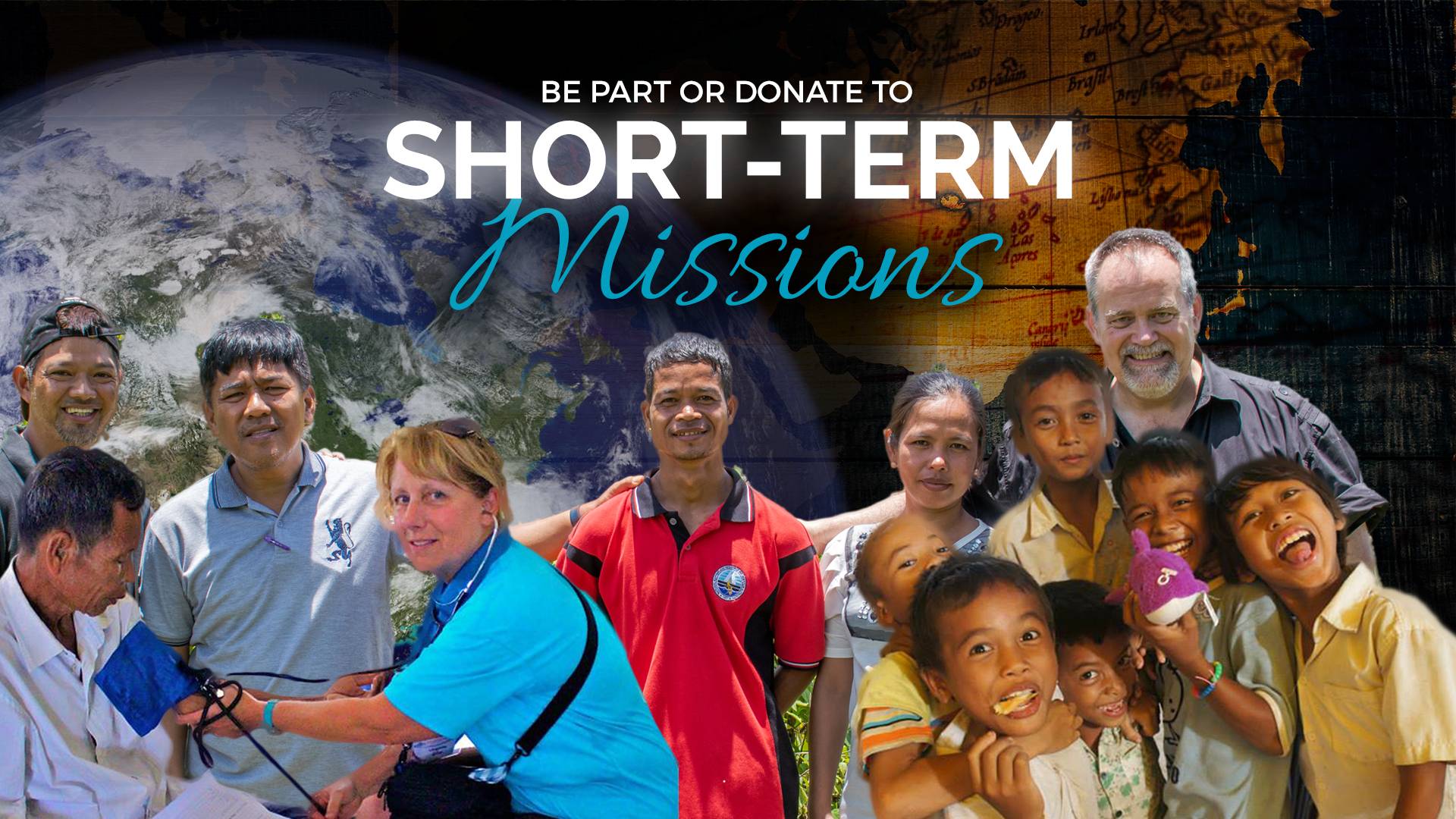
There is a quiet buzz that fills church bulletins, campus flyers, and social media feeds each spring: friends, families, and even seasoned pastors are packing bags for a short‑term mission trip. The pattern is familiar, almost routine, yet beneath the surface lies a numinous curiosity that pulls many beyond the comfort of ordinary life into a liminal space where service and discovery intertwine.
Understanding the Short‑Term Mission Frame
A short‑term mission (STM) is generally defined as an organized, faith‑based journey that lasts anywhere from one week to a few months. Unlike long‑term missionary postings, STM participants often maintain their primary occupations while engaging in a concentrated period of outreach, teaching, construction, or community health work. The temporal brevity belies the depth of impact that such expeditions can generate, creating a catalytic bridge between distant locales and local congregations.
The Surge in Popularity: A Common Observation
In recent decades, the number of STM participants has surged dramatically. According to many denominational reports, the percentage of church members who have taken at least one short‑term trip has tripled since the early 2000s. This rapid rise has sparked conversation: why does a fleeting journey attract such robust enthusiasm? The answer often lies in the allure of a tangible, hands‑on expression of faith, a chance to witness immediate results, and an appetite for adventure that feels spiritually substantive.
Spiritual Motivation: The Call Within the Call
For many, the impetus is not merely altruistic; it is theological. The scriptural mandate to “go therefore and make disciples of all nations” (Matthew 28:19) resonates as a personal invitation. Participants frequently describe a sacramental impulse—a yearning to embody love in concrete ways. This internal call is amplified by a communal expectation: the church body often views STM as a rite of passage, a visible commitment that fortifies collective identity.
Preparing the Heart and Mind
Before boarding a plane, prospective missionaries are encouraged to immerse themselves in prayerful discernment. A thorough preparation regimen includes theological briefings, cultural sensitivity workshops, language primers, and practical skills training such as basic first aid or construction techniques. This preparatory phase serves as a crucible, refining intentions and mitigating the risk of superficial involvement.
Selecting the Right Organization
Choosing a reputable mission agency is pivotal. Vetted organizations often provide transparent itineraries, on‑the‑ground partners, and clear accountability structures. Prospective participants should assess alignment with their core values, evaluate the organization’s ethical stance on labor practices, and verify that community-led projects are prioritized over tokenistic gestures. The right agency can transform a well‑meaning endeavor into a synergistic partnership.
Fundraising as a Community Catalyst
Funding a short‑term mission frequently requires innovative fundraising strategies. From bake sales to crowdfunding platforms, the process mobilizes a network of supporters, fostering a shared sense of ownership over the mission. This communal effort not only cushions financial barriers but also deepens congregational bonds, as members become stakeholders in the journey.
Cross‑Cultural Praxis: Humility in Action
Effective engagement hinges on cultural humility. Short‑term missionaries are taught to listen more than speak, to observe local customs, and to avoid imposing cultural frameworks without context. By embracing a posture of reciprocity—learning from the community while offering assistance—participants avoid the pitfalls of neo‑colonial attitudes and nurture authentic relationships.
Safety, Logistics, and Wellness
Pragmatic concerns cannot be overlooked. Comprehensive travel insurance, updated vaccinations, and emergency communication plans are essential. Health precautions, including mental‑wellness strategies for culture shock, ensure that participants return not only physically unscathed but also emotionally resilient. Risk assessment protocols, crafted in collaboration with local partners, provide a safety net that allows bold service without reckless exposure.
Personal Transformation and the Quest for Meaning
Many alumni of short‑term missions report a profound inner shift. The experience often functions as a catalyst for personal entelechy—the realization of one’s潜在的 potential through purposeful action. Participants emerge with heightened empathy, sharper self‑awareness, and a renewed sense of purpose that permeates their professional and spiritual lives.
Long‑Term Impact: Ripple Effects Across Communities
While the trip itself may be brief, its legacy can extend far beyond the departure gate. Sustainable projects, ongoing partnerships, and alumni networks keep the flame alive. Many short‑term missionaries become long‑term advocates, channeling resources, lobbying for policy changes, or establishing micro‑enterprises that sustain the communities they once served.
Answering the Call: How to Get Involved
If the narrative above stirs a quiet yearning within you, consider taking the next step. Begin by researching reputable mission agencies, attend informational webinars, and speak with past participants. Prayerfully discern your motivations, assemble a support base, and commit to the preparation process. As you step onto foreign soil, you will discover that the greatest journey is not measured in miles, but in the depth of connection you forge with the people you serve.

