

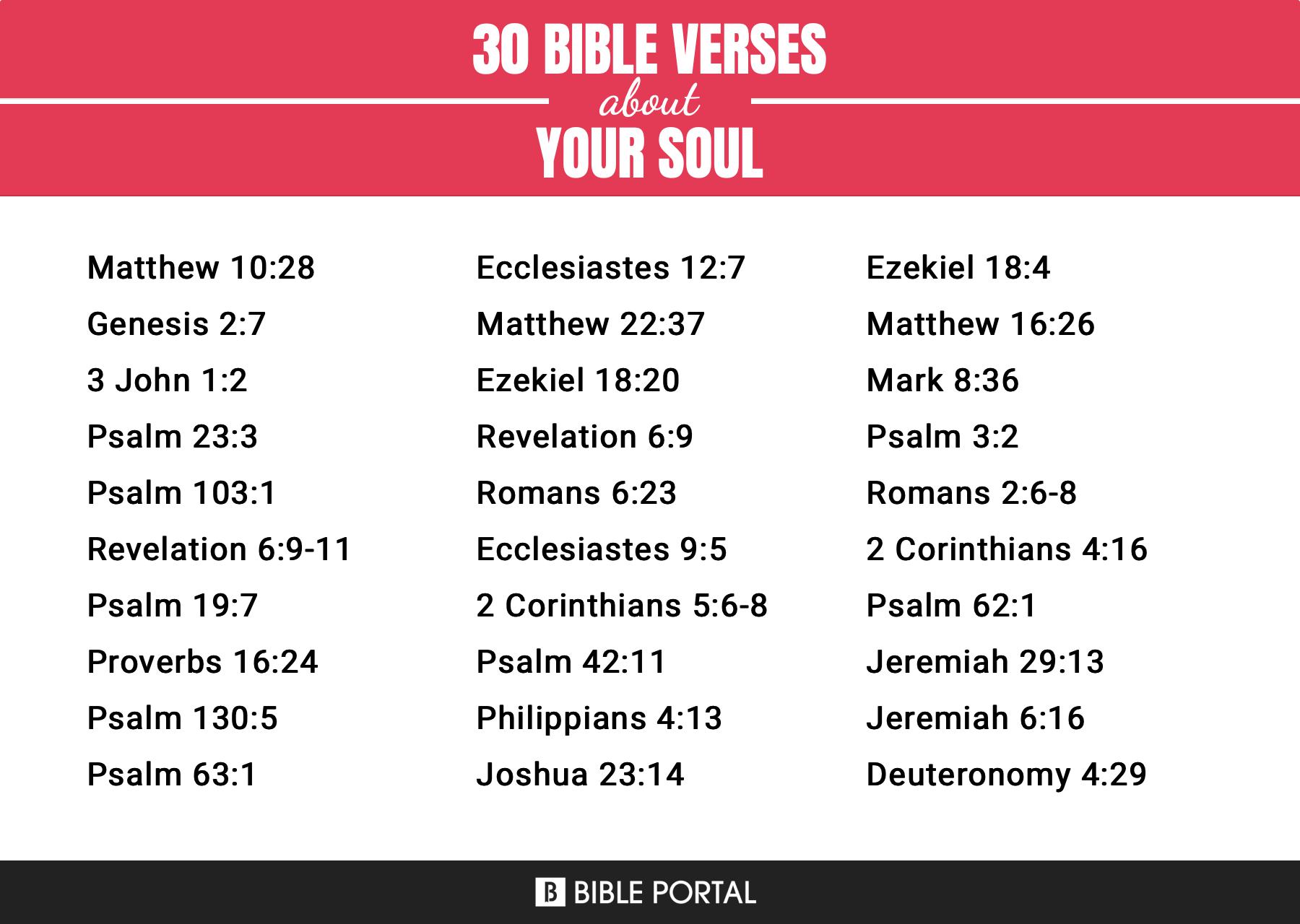
The concept of the soul occupies a significant place in the biblical narrative, presenting a multifaceted and profound understanding of human existence. Throughout Scripture, the soul is depicted not merely as a component of the individual but as an essential aspect that interlinks the body, mind, and spirit. It encapsulates one’s identity, consciousness, and relationship with the divine.
From the very inception of humanity, the soul is intricately woven into the fabric of creation. In Genesis, we learn that God breathed life into Adam, and he became a living soul. This act signifies that the soul is not merely an amalgamation of physical elements but rather a divine imprint, a sacred essence that distinguishes humanity from all other creatures. The soul, therefore, embodies the intrinsic worth and dignity bestowed upon each person by their Creator.
Biblically, the soul is often used interchangeably with terms like “spirit” and “heart,” although each showcases distinct implications. The heart, for instance, is considered the seat of emotions and will, serving as a fulcrum of moral choices and desires. In contrast, the spirit delineates one’s connection with the divine, reflecting a person’s capacity for worship and communion with God. The soul, in its totality, represents the unity of these facets, demonstrating the complexity of human nature.
Moreover, the Bible articulates the soul’s role in the process of salvation and redemption. Scriptures emphasize that the soul’s condition is paramount in the eyes of God. Jesus articulated this in Matthew 16:26, where He posed a poignant question: “What will it profit a man if he gains the whole world, yet forfeits his soul?” This declaration draws attention to the eternal value of the soul. It invites introspection and prompts individuals to consider the implications of their choices and the state of their spirits.
There is also a powerful narrative surrounding the soul’s relationship with God. The Psalms, in particular, echo a deep yearning for connection with the Almighty. Phrases like “Bless the Lord, O my soul” articulate an internal dialogue where the soul yearns for intimacy and worship. Such expressions exemplify how the soul engages in a continual quest for meaning, fulfillment, and divine companionship.
Furthermore, the aspect of the soul persists beyond physical death. Scripture presents a dichotomy between salvation and condemnation, suggesting that one’s eternal destination is deeply entwined with the condition of the soul. The journey of the soul—in life and beyond—invites contemplation about virtues such as faith, hope, and love. These elements, woven into the soul’s fabric, promote a transformative process that guides one towards a higher purpose.
As we ponder the essence of the soul according to biblical teachings, it becomes evident that it encapsulates the entirety of one’s being. It is a sanctuary where thoughts, emotions, and spiritual longings converge. The soul’s ongoing quest for understanding, fulfillment, and relationship with God is underscored throughout Scripture. Believers are encouraged to nurture their souls, engage in introspection, and pursue a life in alignment with divine principles. Ultimately, the biblical view of the soul invites individuals to embark on a profound journey toward self-awareness and spiritual enlightenment, affirming that the soul’s worth is immeasurable, echoing throughout eternity.

