

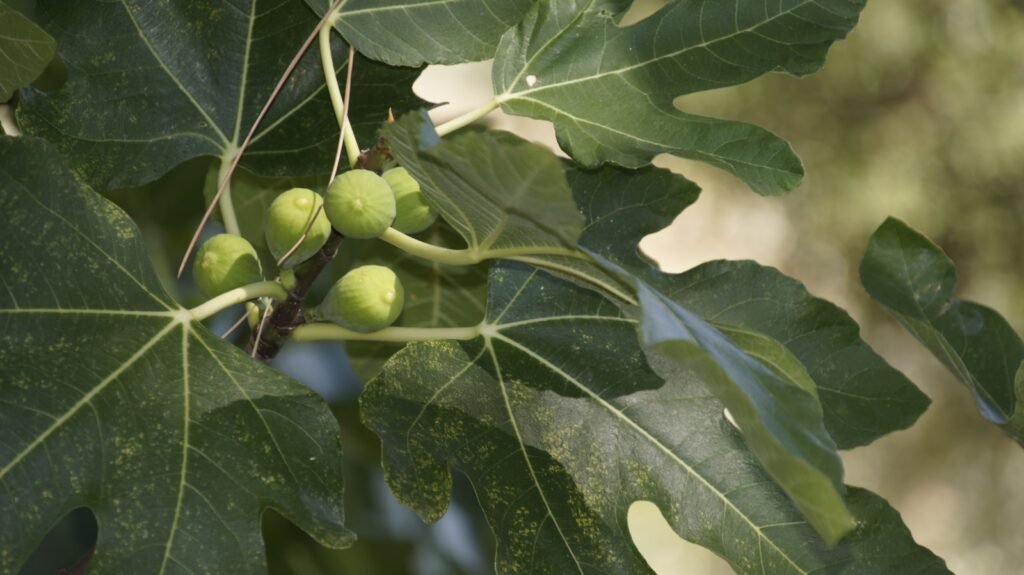
The fig tree is a multifaceted symbol within the Biblical narrative, representing a plethora of themes from prosperity and fertility to spiritual barrenness and judgment. This small tree, revered for its lush foliage and delectable fruit, has captured the imagination of theologians and laypeople alike for millennia. Understanding its symbolism offers a profound glimpse into the rich tapestry of Biblical teachings.
In the lush landscapes of the ancient Near East, the fig tree flourished, becoming synonymous with abundance and sustenance. In Deuteronomy 8:8, the Promised Land is depicted as a place of “a land of wheat, barley, vines, fig trees, and pomegranates.” Here, the fig tree operates as a metaphor for divine blessings. Its presence signifies prosperity, suggesting that the people would enjoy both physical and spiritual enrichment. The ability to harvest figs was emblematic of a relationship with the divine that bore tangible fruit, quite literally.
Beyond mere agriculture, the fig tree also carries significant theological weight. For instance, in the prophetic visions of Joel, the fig tree symbolizes the rejuvenation and restoration that the Lord promises His people. Joel 1:7 states, “He has laid waste my vine and ruined my fig tree.” Such imagery not only reflects devastation but also underscores the hope of renewal—a core theme in the narrative of redemption.
However, not all references to the fig tree are positive. In the New Testament, Jesus’ interactions with the fig tree take a more somber turn. In Matthew 21:18-19, we encounter the story of Jesus cursing a barren fig tree for failing to bear fruit. This event serves as a poignant reminder of the consequences of spiritual barrenness. Here, the fig tree’s failure to produce signifies a lack of faith and highlights the greater theological conversation about being fruitful in one’s spiritual life. In a world where fruitfulness is a recurring motif, the barren tree embodies spiritual neglect.
Moreover, the fig tree also appears in the context of eschatological promises. In Matthew 24:32, Jesus uses the fig tree as a metaphor for recognizing the signs of the times. “Now learn this parable from the fig tree: When its branch has already become tender and puts forth leaves, you know that summer is near.” This metaphor encourages believers to remain vigilant and alert. Thus, the fig tree is not merely a symbol of past teachings but also beckons the faithful to an active engagement with the present and future, urging them to develop a discerning eye for divine movements.
In various cultures, the fig tree has also been associated with wisdom and spiritual enlightenment. It represents an understanding of divine mysteries that goes beyond surface-level interpretations. This geological sensitivity furthers the beckoning call of the fig tree—it invites reflection, contemplation, and an ongoing search for deeper truths.
Interestingly, the duality of the fig tree serves as a springboard for theological discourse. It encapsulates the human experience—the tension between abundance and barrenness, hope and despair. The stories woven around the fig tree encourage individuals to evaluate their own lives critically. Are we bearing good fruit? Are we experiencing spiritual vitality, or do we find ourselves withered and barren? This introspection can lead to transformative revelations, prompting a profound shift in perspective.
Ultimately, the fig tree symbolizes the rich complexities of spiritual existence reflected in the Bible. Its dichotomy offers insights into the divine-human relationship, calling for both vigilance and introspection. As one contemplates the time-honored lessons of the fig tree, curiosity unfurls. What does your own fig tree look like? Are you cultivating the fertile ground required for growth? In these inquiries lie the keys to unlocking a more profound understanding of one’s spiritual journey.

