

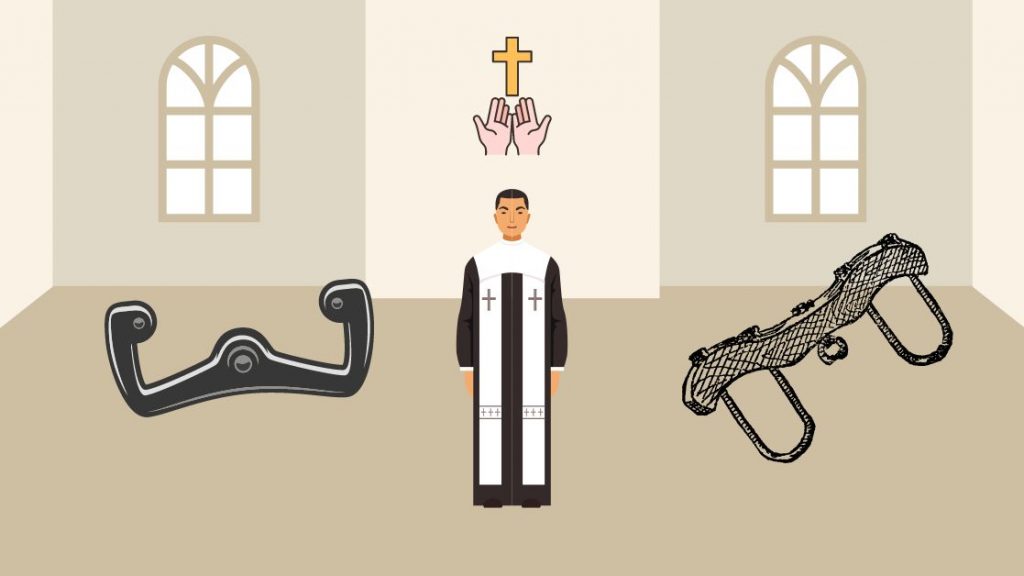
The concept of a yoke in the Bible transcends mere agricultural implements; it embodies profound spiritual and metaphorical implications. The yoke, a wooden beam typically used to harness two animals together for plowing fields, serves as a poignant symbol of partnership, labor, and shared burdens. Intriguingly, its biblical connotation often extends into the realms of faith, obedience, and divine guidance, revealing a multifaceted significance that invites contemplation.
At its most basic level, the yoke represents the physical act of binding. In ancient agricultural societies, a yoke united two oxen, allowing them to work in tandem, thus enhancing efficiency and productivity. This physical representation becomes an apt metaphor for the relationship between humanity and the divine, as well as between individuals within a community. Through a shared burden, tasks once deemed Herculean become manageable, forging connections that might otherwise falter under the weight of individual responsibility.
One of the most compelling biblical references to the yoke appears in the teachings of Jesus in the New Testament. In Matthew 11:28-30, He invites the weary and burdened to come to Him for rest. “Take my yoke upon you,” He proclaims, “and learn from me, for I am gentle and humble in heart, and you will find rest for your souls.” This invitation speaks volumes about the nature of His relationship with believers. By taking on the yoke of Christ, individuals engage in a mutual partnership where Christ eases their burdens, bestowing grace and comfort. Here, the yoke transforms from a symbol of toil into one of divine rest, conjuring images of humble surrender and divine companionship.
Moreover, the yoke’s significance extends to the collective identity of believers. In the context of community, the yoke signifies the bond among fellow Christians. Galatians 6:2 encourages believers to “carry each other’s burdens,” establishing a spiritual camaraderie where mutual support becomes essential. The yoke in this sense transcends individual struggles, fostering a shared journey toward spiritual enlightenment and love. Such connections resemble a tapestry woven from diverse threads, each thread contributing its unique hue yet ultimately converging to form a masterpiece of unity in faith.
The call for believers to avoid being “yoked together with unbelievers” in 2 Corinthians 6:14 raises intriguing considerations about allegiance and spiritual synergy. This exhortation reveals the dangers of incompatible partnerships, urging individuals to seek fellowship within a shared faith. The metaphor here extends beyond mere association, calling for a deeper alignment of values, purpose, and spiritual direction. The yoke, thus, is not merely a call to join together but a compelling nudge toward discernment in choosing one’s companions in faith.
A fascinating dimension of the yoke lies in its positioning within the context of Old Testament law. The Israelites, bound by the covenant, were likened to a people under a divine yoke, tasked with observing God’s commandments. These statutes, while appearing burdensome to some, were intended to guide the faithful towards a path of righteousness and purpose. This imagery of binding reveals the paradox; what seems to confine ultimately liberates, guiding believers toward the fullness of life intended by their Creator.
In conclusion, the biblical significance of the yoke serves as a rich tapestry interwoven with themes of partnership, divine guidance, community, and spiritual discernment. It encapsulates both the weight of responsibility and the sweetness of rest found in Christ. As contemporary seekers traverse their journeys of faith, the yoke remains a profound reminder of the blessings and challenges inherent in walking together with God and one another, urging a contemplation of connections that shape the very essence of discipleship.

