

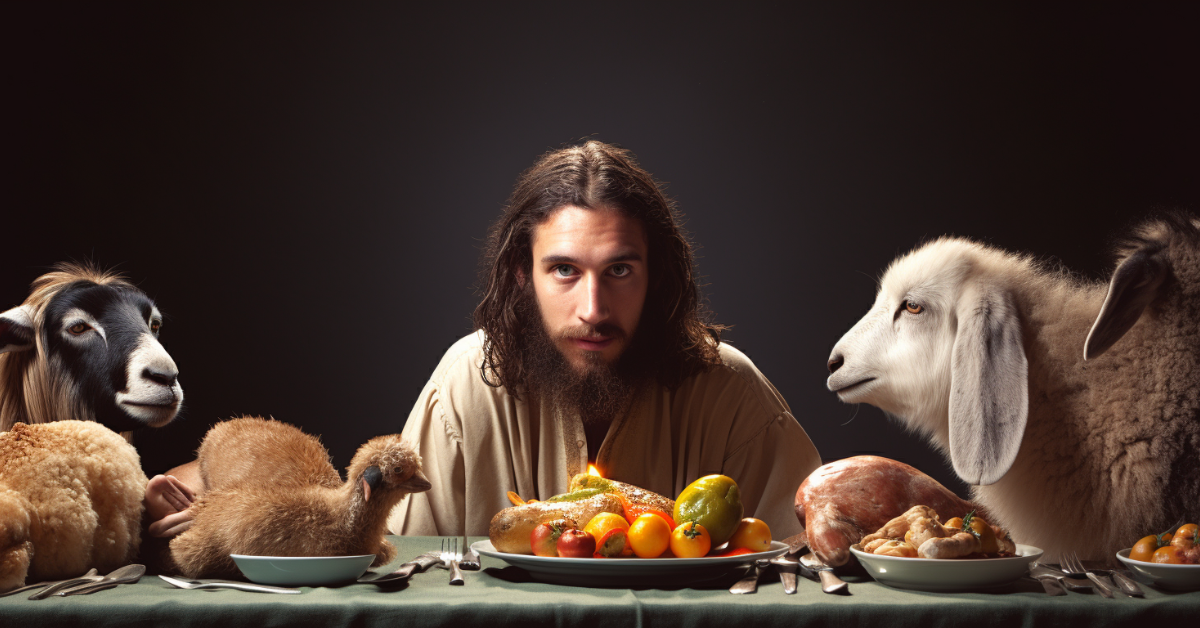
The Bible, a profound tapestry of narratives and teachings, offers a compelling exploration of humanity’s relationship with the animal kingdom. At its core, the question of eating animals evokes a myriad of theological and ethical discussions, wherein the sacred texts serve as a mirror reflecting our beliefs and practices. Nestled within the pages of Scripture, this topic unfolds like a rich, layered text, revealing ancient insights that remain relevant today.
In the beginning, the Book of Genesis sets the stage, painting a vivid tableau of creation. Here, God bestows upon humankind the dominion over all living things, including animals. This divine mandate, however, is not an unqualified license for consumption. In fact, Genesis 1:29 reveals that the initial dietary plan was one rooted in plant-based sustenance. “I give you every seed-bearing plant on the face of the whole earth and every tree that has fruit with seed in it,” proclaims the Creator, inviting humanity into a harmonious existence that respects all forms of life.
As the narrative progresses, the tone shifts after the Great Flood. In Genesis 9:3, a pivotal moment occurs when God alters the covenant with Noah, granting permission to consume meat: “Everything that lives and moves shall be food for you.” This shift can be interpreted as a concession to human necessity, as the world, once lush with life, had been reshaped by destruction. Yet this permission comes with stipulations, emphasizing reverence for life; blood, the essence of life, must not be consumed. This delicate balance illustrates a nuanced perspective: while humans may eat animals, there remains an obligation to honor their existence.
Transitioning through the historical narratives, we encounter the dietary laws articulated in Leviticus, which delineate clean and unclean animals. This categorization reflects not merely a culinary distinction but also a spiritual one. It underscores the belief that what we consume is intrinsically tied to our spiritual integrity. Eating certain animals was seen as a violation of divine command, suggesting that the act of consumption extends beyond physical sustenance, merging into the realm of sacred observance. Thus, the careful selection of food lays the groundwork for a lifestyle that embodies obedience and reverence.
In the New Testament, the theme of dietary restrictions continues to evolve. The Apostle Paul, in his epistles, elucidates the idea that believers are free from the constraints of the old laws, yet he remains cautious about how actions impact others. In 1 Corinthians 10:31, he counsels, “So whether you eat or drink or whatever you do, do it all for the glory of God.” This call to sanctify everyday choices reverberates with 21st-century audiences, prompting a reflection on ethical consumption. It challenges modern Christians to ponder not just what is permissible, but what glorifies the Creator and respects the created.
Moreover, the compassion embedded within biblical texts cannot be overlooked. Proverbs 12:10 states, “A righteous man cares for the needs of his animal.” This acknowledgment of animal welfare transcends mere legalism, weaving a thread of empathy through the fabric of faith. It beckons believers to cultivate a mindset that values kindness as an integral aspect of their earthly stewardship. This perspective can transform our relationship with animals from mere dietary choices to an invitation for compassionate interaction.
Ultimately, the Scriptures convey a profound duality: while they permit the consumption of animals, they concurrently advocate for a posture of respect, responsibility, and restraint. The dialogue surrounding eating animals in the Bible refrains from offering simplistic answers; instead, it invites contemplation, bridging ancient wisdom with modern ethical dilemmas. In navigating these complex teachings, one may find the call to not only nourish the body but to enliven the spirit and cultivate a deeper connection to creation itself. Thus, the act of eating animals emerges as not merely a physical necessity but an opportunity for holistic reflection, reverence, and relational integrity.

