

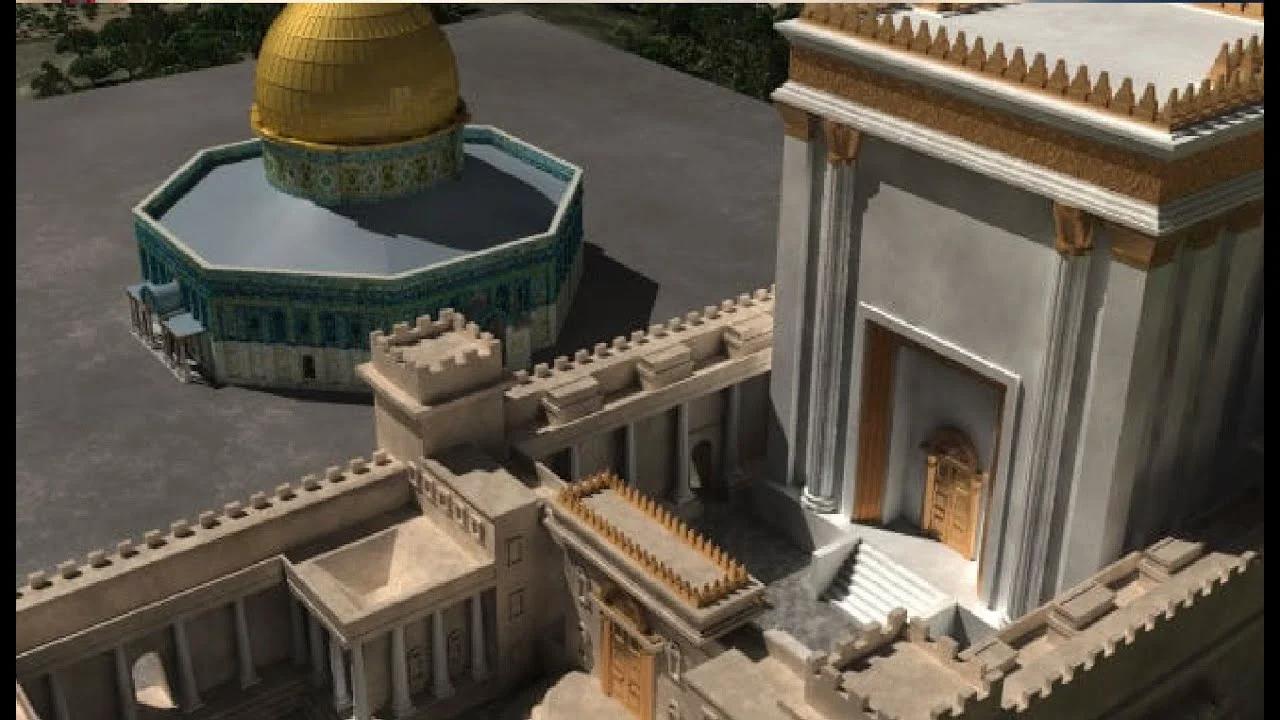
The concept of a Third Temple has intrigued scholars, theologians, and devotees for centuries. But what does the Bible really say about this enigmatic structure? Is there a divine blueprint guiding the way for its construction? Alternatively, does the absence of detailed instructions present an enigma of its own? Let’s embark on a journey through scripture to unravel the mysteries surrounding the anticipated Third Temple.
To appreciate the nuances of the Third Temple, it is imperative to first acknowledge the history of the previous temples. The First Temple, constructed by King Solomon, was a glorious edifice that stood as a national and spiritual focal point for the Israelites. This sanctuary was ultimately destroyed by the Babylonians in 586 BCE. The Second Temple arose from the ashes of exile, meticulously reconstructed under the auspices of Persian King Cyrus and further enhanced by Herod the Great, only to face destruction by the Romans in 70 CE. Each temple played a pivotal role in Jewish worship and identity, symbolizing divine presence amongst the people.
But what of the Third Temple? The prophetic texts found within the Bible hint at its emergence. Ezekiel’s vision in chapters 40 through 48 is particularly compelling. Here, the prophet evokes images of a future temple with intricate details, offering specifications on its dimensions and rituals. However, the specificity raises an engaging question: Why the extensive detail if the temple is not to rise again? Does Ezekiel’s vivid portrayal serve as mere allegory or as prophetic exhortation?
The prophecy in Zechariah 6:12-13 further enhances the discussion. It speaks of a “branch” who will build the temple of the Lord, suggesting a connection to the Davidic lineage. This linkage poses another intriguing question: Are the returns of the Jewish people to their homeland and the promised restoration intertwined with the construction of this temple? Many believe that the Third Temple is essential for the realization of messianic prophecies in Jewish eschatology.
Moreover, the New Testament offers a unique perspective on the temple concept. Jesus’ statements, especially in John 2:19, where he declares, “Destroy this temple, and I will raise it again in three days,” can be interpreted as both literal and metaphorical. Some theologians propose that Christ might represent a kind of metaphysical temple, thereby altering the need for a physical structure. Does this change the requirements for worship, or does it challenge traditional understandings of divine presence?
Amidst these scriptural explorations, one cannot ignore the contemporary implications surrounding the Third Temple. The Temple Mount in Jerusalem, a location sacred to both Jews and Muslims, is fraught with political tension and theological significance. The longing for a Third Temple dwells in the hearts of many Jews today, serving as a symbol of hope and restoration. Yet, this desire faces daunting obstacles, both physical and ideological.
In grappling with the question—will the Third Temple indeed materialize?—an array of interpretations arise. Some hail its inevitable establishment as a quintessential aspect of divine prophecy, while others adopt a more symbolic interpretation, recognizing humanity’s longing for a closer connection to the divine. Thus, the quest for the Third Temple becomes not merely about bricks and mortar but the palpable yearning for spiritual reconnection and redemption.
In conclusion, the Bible encapsulates a range of perspectives on the Third Temple, enveloping the faithful in a complex tapestry of prophecy, history, and aspiration. As scholars continue to dissect these ancient texts, the query remains: What role will this venerated site occupy in the transformative journey ahead? In contemplating this, one might find that the discourse transcends the realm of the physical, existing profoundly in the spiritual aspirations of the faithful.

