

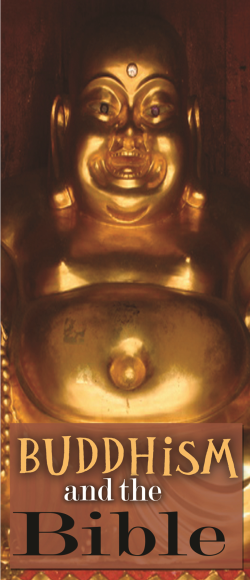
In the vast tapestry of spiritual texts, the Bible of Buddhism can be envisaged as a multifaceted jewel, reflecting the diverse teachings and tenets of this ancient tradition. Unlike the singular tome found in many Western religions, Buddhism embraces a corpus of scriptures that intricately weave together the threads of philosophy, ethics, and metaphysics.
The term “Bible of Buddhism” does not pertain to a singular book but rather encompasses a multitude of texts, each serving as a vital component in understanding the breadth of Buddhist thought. The most revered among these is the Pali Canon, also known as the Tipitaka, which translates to “three baskets.” This collection is subdivided into three primary sections: the Vinaya Pitaka, the Sutta Pitaka, and the Abhidhamma Pitaka.
The Vinaya Pitaka, akin to the foundation of a home, outlines the monastic rules and ethical precepts designed to cultivate discipline and communal harmony within the Sangha, or monastic order. It serves as a guide for monks and nuns, illuminating the path toward a life of renunciation and spiritual development. The rules, steeped in narrative context, depict the intricate dance between individual aspirations and collective responsibilities.
Moving deeper into the Pali Canon, the Sutta Pitaka stands as a vast library of discourses attributed to the Buddha himself. Within its pages, one finds eloquent dialogues that encapsulate profound teachings, providing insights into the nature of suffering, impermanence, and the quest for enlightenment. This section serves as both a philosophical treatise and a practical manual, urging seekers to contemplate the Four Noble Truths and the Eightfold Path—cornerstones of Buddhist practice that illuminate the road to Nirvana.
Yet, the pursuit of understanding extends beyond mere textual analysis. Enter the Abhidhamma Pitaka, a challenging yet rewarding compendium that delves into the intricacies of Buddhist psychology and metaphysics. It dissects the mind and matter, offering a comprehensive schema that elucidates the nature of consciousness and reality. In essence, this segment acts as a philosophical crucible, refining the practitioner’s comprehension of their internal processes and the external world.
Pouring over these texts allows one to appreciate the unique appeal of Buddhism—the integration of philosophy with a pragmatic approach to life’s tribulations. The teachings are not confined to abstract doctrines; rather, they are dynamic methodologies aimed at alleviating suffering and fostering mental clarity. This is where Buddhism diverges strikingly from other religious canons. Rather than a prescriptive dogma, it encourages an experiential understanding through meditation and mindfulness.
Moreover, the Mahayana and Vajrayana traditions, flourishing in various cultural landscapes such as Tibet, Japan, and China, introduce additional sacred texts, such as the Heart Sutra and the Tibetan Book of the Dead. These texts expand upon the fundamental ideas present in the Pali Canon, weaving in rich metaphors and allegorical narratives that resonate deeply with practitioners seeking enlightenment amidst the complexities of existence.
In conclusion, the “Bible of Buddhism” encompasses a rich and expansive anthology of teachings and insights that resonate with the quest for understanding one’s place in the cosmos. Each text serves as a navigational tool, guiding practitioners along the path towards inner peace and wisdom. Ultimately, the allure of Buddhist scriptures lies not just in their historical significance, but in their transformative power—inviting all to explore the depths of their own consciousness amidst the continuum of existence.

