

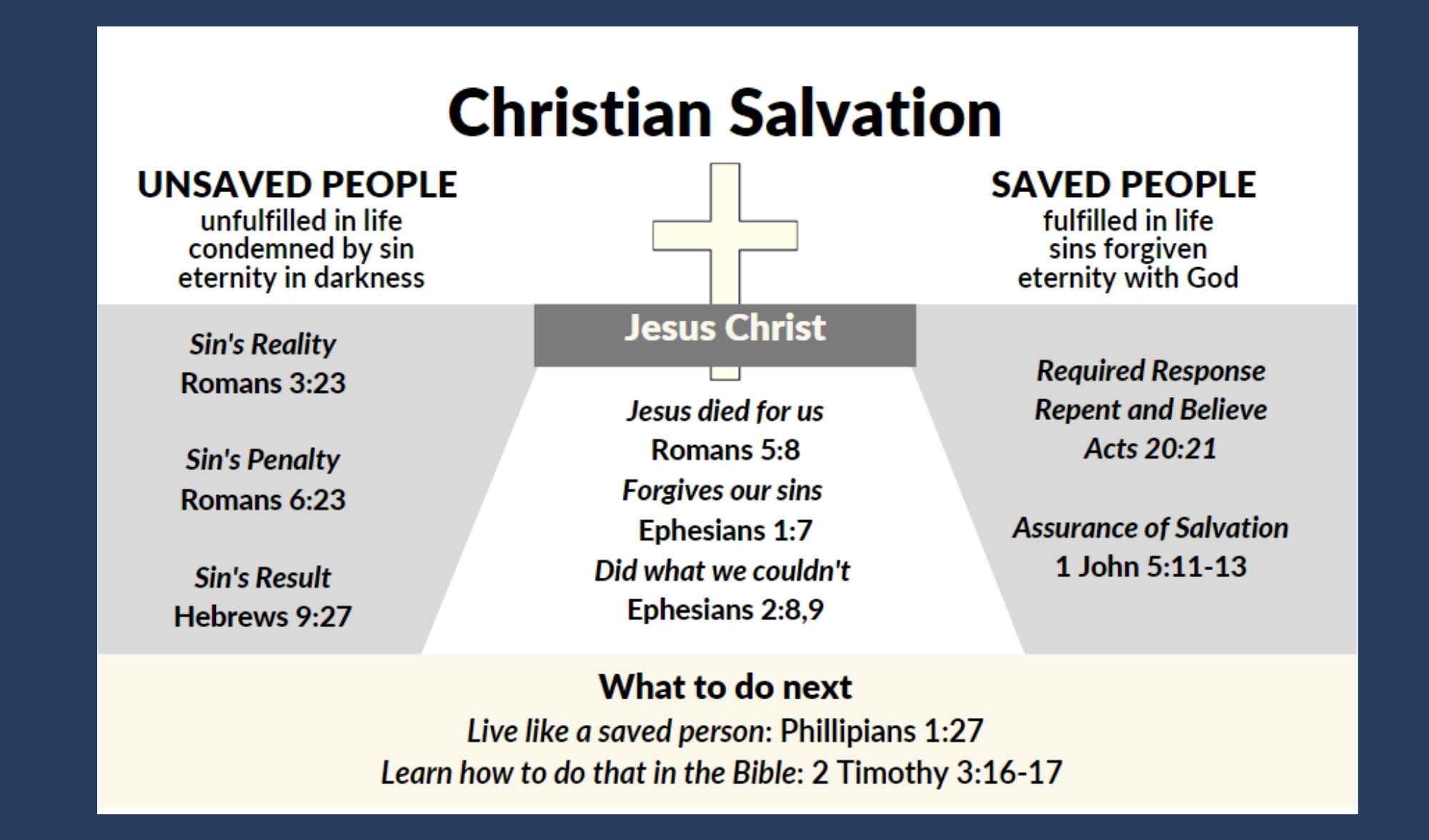
When the word “salvation” drifts through theological discourse, many minds conjure an isolated moment of personal redemption—a sinner’s prayer whispered in solitude. Yet beneath that familiar image lies a far richer tapestry: salvation is not merely an escape from guilt, but a holistic transformation that reverberates through the very fabric of humanity and the cosmos. The Church stands at the epicenter of this mystery, not as a bureaucratic institution, but as the living body of Christ, breathing the Spirit into every believer’s journey toward theosis, or divinization. By peering beyond the veil of private experience, we discover that the Church’s role in salvation is both a proclamation and a participation, a sacramental conduit and a communal forge. This shift in perspective invites curiosity, urging us to explore how an ecclesial community can shape, sustain, and propel the transformative work of grace.
Beyond the Personal: Salvation as a Cosmic Narrative
Salvation, in its fullest sense, weaves together the divine and the human into a cosmic narrative. It begins with the Creator’s pact of love, a covenant that embraces the whole of creation, not just the individual soul. The Church, as the “fullness of him who fills all in all” (Ephesians 1:23), embodies this grand story, serving as the arena where the divine drama unfolds. When believers gather, they enter a living narrative that predates them, a saga of redemption that stretches from the ancient prophets to the present day. Within this communal story, personal salvation finds its place, yet it is refracted through the prism of collective identity. The Church’s role, then, is to reveal that each conversion is a thread in a larger tapestry, a participation in an ongoing metamorphosis that promises the restoration of all things.
The Ecclesial Vocation: A Living Organism
The New Testament paints the Church with vivid, organic imagery: a vine, a body, a temple built of living stones. This pneumatic organism is not a static organization but a dynamic, charismatic community, animated by the Holy Spirit. As a body, each member bears unique gifts—prophecy, teaching, service—yet all are interdependent, reflecting the divine communion of the Trinity. The ecclesial vocation summons believers into a relational existence where faith is nurtured through mutual love and accountability. It is within this relational matrix that the process of

