

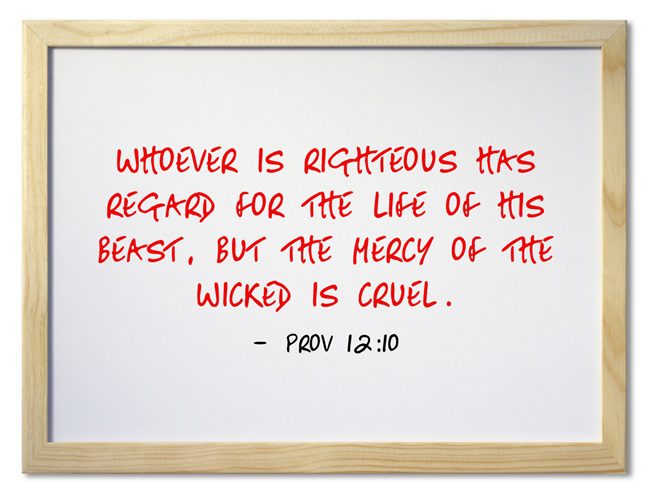
The topic of killing animals is one that has stirred debate among theologians, ethicists, and animal rights advocates alike. Within the annals of the Bible, there exists a multifaceted exploration of humanity’s relationship with the animal kingdom, which begs for an informed examination. The essence of this discussion unveils not merely the act of killing but also the underlying moral constructs and spiritual implications associated with it.
Initially, it is paramount to recognize that in the biblical context, the relationship between humans and animals is intricately woven into the fabric of creation. Genesis, the very first book of the Bible, proclaims that God created all living beings and saw them as ‘good.’ This acknowledgment sets the tone for interpreting the subsequent narratives surrounding animal life and the human dominion over it. Herein lies a dichotomy: the authority to govern nature comes with profound responsibilities, a theme that echoes through various scriptures.
Historically, sacrifices of animals represented a crucial aspect of worship and atonement within ancient Israelite culture. Leviticus, for instance, delineates protocols for sacrificial offerings that include animals. Such rituals were not simply acts of slaughter but rather embodied profound ceremonial significance, functioning as conduits for expressing devotion and seeking reconciliation with the divine. This perspective inherently differentiates between casual killing and sacrificial slaughter, positioning the latter within a sanctified framework where the act transcends mere necessity.
Yet, the ethical conundrum emerges when one considers the implications of these sacrifices concerning contemporary views on animal welfare. Can the ancient practices be justified in light of modern sensibilities? Many contemporary theologians argue that the spirit of these texts should inform our modern understanding of stewardship rather than simply a literal adherence to scriptural mandates. This introspective approach leads to profound contemplations about the ethics of consuming animal flesh today.
Moreover, the nuances emerge in the discussion surrounding hunting and the treatment of domesticated animals. The Bible presents various references to hunting as a legitimate endeavor. Proverbs 12:27 notes that “the diligent man will get precious wealth,” which can allude to the skill involved in hunting. However, this scripture also prompts a reflection on the motives behind the hunt, urging a balance of respect for the created order with the pursuit of sustenance.
Additionally, the prophetic literature addresses the ethical treatment of animals. Isaiah 11:6 envisions a harmonious existence where “the wolf shall dwell with the lamb,” painting a picture of peace that extends beyond humans to include the animal kingdom. This prophetic vision beckons humans to aspire towards a future where animals are not mere resources but cohabitants of creation worthy of compassion and protection.
Moreover, the New Testament shifts the lens through which we view animals. In Matthew 10:29, it is declared that not a single sparrow falls to the ground without God’s knowledge, emphasizing the value placed on even the smallest creatures. This assertion can lead us to postulate that a divine attentiveness to all living beings necessitates a reevaluation of our everyday choices regarding how we interact with animals—be it through consumption, companionship, or conservation.
In summation, the biblical discourse on killing animals is far from one-dimensional. It encapsulates a rich tapestry of theological, ethical, and relational themes that resonate deeply within the contemporary context. While scripture may provide accounts of animal sacrifice, it also beckons toward a greater understanding of stewardship, compassion, and ultimately, the interconnectedness of all life forms. As society grapples with these profound issues, the biblical narrative remains a pivotal guide, challenging humanity to reflect on the sacred bond shared with the animal kingdom and the moral obligations stemming from that connection.

