

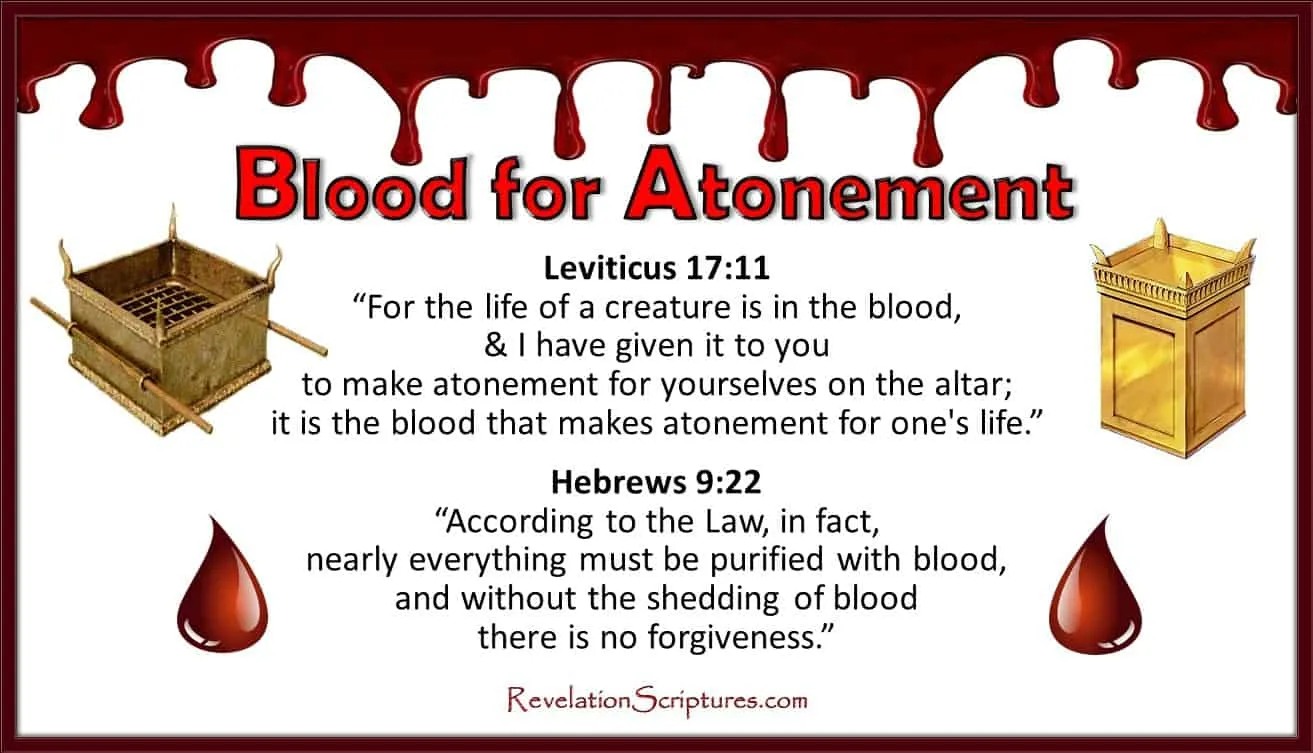
The concept of atonement in the Bible resonates deeply within theological discourse, engaging both scholars and laypersons alike. This intricate notion encapsulates humanity’s quest for reconciliation with the divine. As readers delve into scriptural narratives, they will discover a multifaceted portrayal of atonement, each layer unveiling profound insights.
To begin with, atonement originates from the Hebrew term “Kapparah,” which signifies covering over or reconciliation. This primordial understanding sets the stage for a broader exploration of the sacrificial system detailed in the Old Testament. Here, the act of offering sacrifices—be it animals or grain—serves as a tangible manifestation of repentance and seeks to amend the chasm that sin creates between God and humanity. Such rituals illustrate not merely adherence to law but an earnest longing for communion with the Creator.
Throughout the Pentateuch, particularly in Leviticus, the principles governing these sacrifices reveal a profound symbolic landscape. The Day of Atonement, or Yom Kippur, stands out prominently. It represents a collective return to grace following a year of transgressions, wherein the high priest would enter the Holy of Holies to sprinkle the blood of sacrificial animals. This intimate act underlines the gravity of sin, emphasizing that atonement requires a price, often illustrated through vivid imagery of blood and sacrifice.
Transitioning to the New Testament, the narrative of atonement undergoes a transformative evolution through the figure of Jesus Christ. His death and resurrection are posited as the ultimate sacrifice, transcending the limitations of previous rituals. This fulfillment of the sacrificial system introduces the doctrine of substitutionary atonement—a belief that Christ bore the weight of humanity’s sins, providing a path to salvation. Such an idea is woven intricately throughout numerous epistles, notably in the writings of Paul, where terms like justification and redemption intensify the discourse surrounding atonement.
The significance of atonement extends beyond mere ritual or theological abstraction; it addresses a core human experience—the pursuit of forgiveness and wholeness. In a world rife with conflict and disillusionment, the allure of reconciliation becomes ever more poignant. Atonement beckons individuals to consider the implications of their actions and the inherent need for restoration. It poses essential questions: How do we repair what is broken? What does it mean to be truly forgiven? This fosters a shared understanding that resonates across diverse religious and cultural landscapes.
Moreover, the intersection of atonement with concepts like grace, mercy, and love outlines a broader ethical imperative. In Christian theology, grace serves as the foundational counterbalance to the weight of sin, inviting believers to embody the principles of forgiveness and empathy toward others. The act of atonement challenges followers to extend the grace they have received, hence fostering communal ties anchored in love and understanding. This dynamic creates a ripple effect, prompting individuals to engage in acts of kindness and reconciliation in their own communities.
In conclusion, the exploration of atonement in the Bible is not merely an academic pursuit but a profound invitation to reflect on the very nature of existence, morality, and spirituality. It intertwines narratives of sacrifice with the yearning for redemption, ultimately revealing that the journey of atonement is as much about the individual as it is about the communal experience of faith and love. As one navigates the intricacies of these sacred texts, the understanding of atonement transforms into a beacon of hope, illuminating paths of reconciliation that are available to all. This is the enduring legacy of atonement—an invitation to foster harmony and embrace grace in the intricate tapestry of life.

