

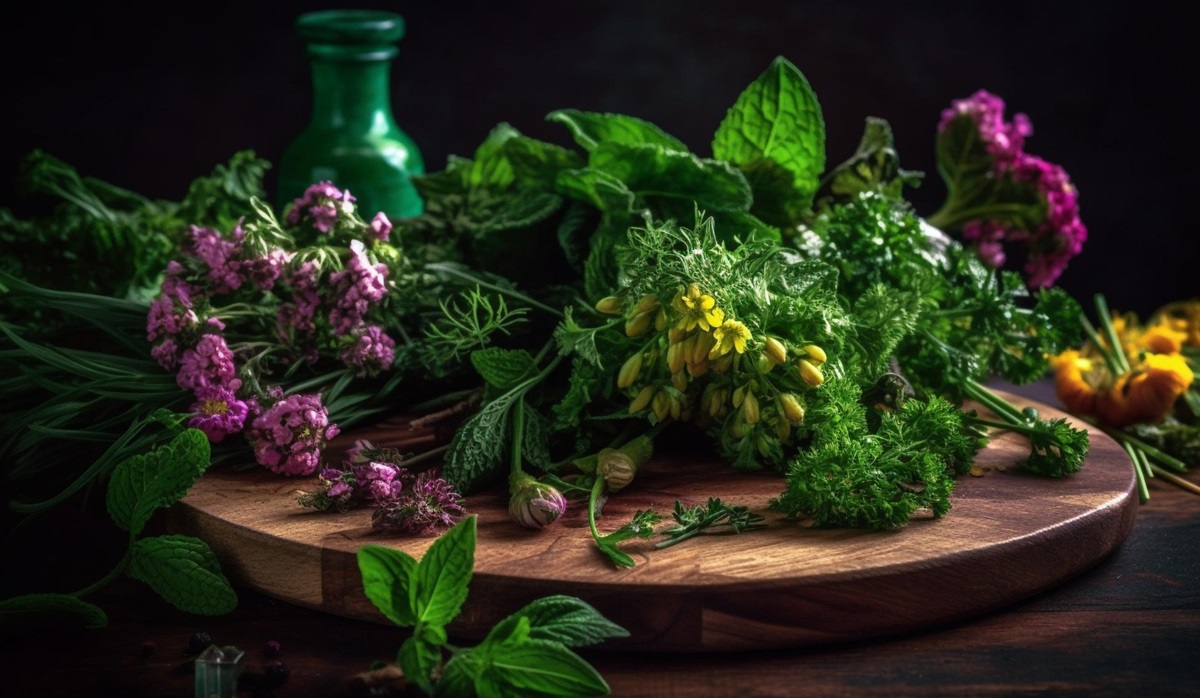
What are the bitter herbs mentioned in the Bible, and why do they hold such significant meaning in both historical and modern religious practices? This question may pique your curiosity as you delve into the ancient texts that shape various cultural and spiritual beliefs.
The term “bitter herbs” is most famously referenced in the context of Passover, where they are consumed as a reminder of the Israelites’ bitter suffering during slavery in Egypt. The natural world offers a plethora of such herbs, many of which possess a strong, sometimes even acrid, flavor profile that commands attention. Common contenders include chicory, dandelion, wormwood, and rue. Each of these herbs not only brings forth an intense taste but also carries a rich tapestry of historical and medicinal connotations.
Let’s take a moment to explore the chicory plant, often regarded as a quintessential bitter herb. Historically, warriors and commoners alike incorporated chicory into their diets. Its blue flowers symbolize endurance and resilience; thus, they serve as an emblem for those who have endured hardship. The root, when roasted, was even used as a coffee substitute during hard times. Imagine gathering around the table with this vibrant plant as a poignant reminder of fortitude. Isn’t it fascinating how a simple herb can transcend both taste and time?
Dandelion, another ubiquitous bitter herb, flourishes in our backyards yet isn’t often credited for its historical significance. The plant’s robust leaves and yellow flowers are filled with nutrients, reminding us that even things seen as weeds can be of great value. Within biblical texts, dandelion has been thought to symbolize renewal and the persistence of life amid adversity. Can we find solace in its tenacity, serving as a reminder that hope can bloom even in the harshest conditions?
Then there is wormwood, a herb steeped in potent symbolism and historical relevance. This bitter plant is often associated with sorrow and remembrance, as seen in both literature and religious texts. Its presence in communal rites evokes contemplation on life’s tribulations. Consuming wormwood, whether in teas or tinctures, offers a moment to reflect on the bittersweet nature of existence itself. Couples a sense of solemnity with a zest for life, encouraging us to embrace both joy and sorrow in a harmonious balance.
Lastly, we turn to rue, often referred to as ‘herb of grace’. While it has been celebrated for its medicinal properties in alleviating ailments, rue bears a complex history fraught with associations of regret and adversity. Its bitter flavor, reminiscent of life’s challenges, serves as a potent reminder to tread thoughtfully upon our life’s path. How can this herb inspire us to acknowledge our regrets while still moving forward into brighter days?
In contemporary practice, these bitter herbs are not merely relics of the past. Their continued use in various cultural traditions speaks to the enduring nature of memory and identity. They invite us to reflect upon our histories, both personal and collective, encouraging dialogue about the resilience of the human spirit. What lessons can we extract from the bitterness of these herbs? Perhaps they prompt us to grow, to transform suffering into strength.
In conclusion, the exploration of bitter herbs in the Bible reveals a tapestry woven with history, spirituality, and nature’s intricate design. They evoke a kaleidoscope of emotions, urging us to confront our fears and embrace life’s complexities. The next time you encounter these potent herbs, consider not only their flavor but the rich narratives they carry. How might you allow the wisdom of bitter herbs to nurture your soul?

