

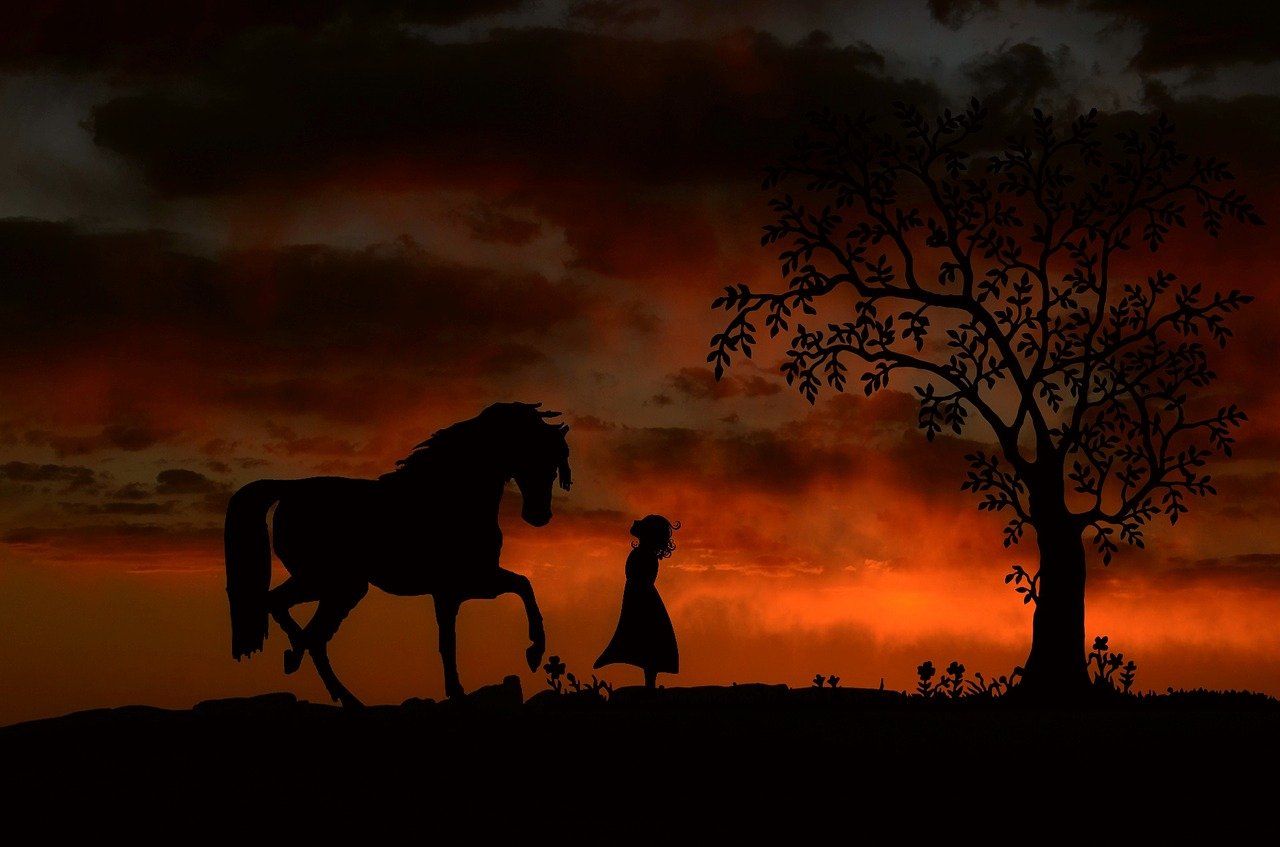
Throughout biblical texts, horses emerge as potent symbols, embodying a plethora of meanings that resonate with the human experience. From their majestic presence on battlefields to their role in the humble work of the farm, horses evoke a sense of admiration and respect. Understanding what horses symbolize in the Bible invites us to delve into the layers of meaning they convey, revealing their deeper significance in both spiritual and earthly contexts.
One of the primary representations of horses within biblical scripture is that of strength and power. Frequently used in war, these creatures symbolize the might of an army. For instance, Psalm 20:7 illustrates this power elegantly: “Some trust in chariots and some in horses, but we trust in the name of the Lord our God.” Here, horses signify reliance on tangible forces versus spiritual trust. This juxtaposition serves as a profound reminder of the transient nature of human power and the superiority of divine might.
Moreover, horses are often associated with speed and agility, further amplifying their symbolic stature. The imagery of a galloping horse can evoke feelings of freedom and the untamed spirit of life itself. In Revelation, horses take on an eschatological role, with the four horsemen heralding pivotal apocalyptic events. Each horseman, riding a distinct horse, represents conquest, war, famine, and death—conveying the urgency and immediacy of their respective functions. This vivid imagery invites contemplation on the human condition, suggesting that life is a spectrum of experiences, often tumultuous and swift.
In contrast to their role in warfare and chaos, horses also represent nobility and service. Many biblical narratives illustrate horses as loyal steeds, devoted to their masters and steadfast in their duties. For instance, Job, known for his steadfastness through suffering, reflects on the strength of warhorses in Job 39:19-25. This passage celebrates not only their physical prowess but also their innate brutality on the battlefield, thus encapsulating the duality of creation—beauty intertwined with ferocity. This depiction of horses as companions to humans enriches their symbolism, implying that true strength is often couched in service and loyalty.
Additionally, horses manifest a connection to divine revelation within biblical contexts. The imagery of horses pulling chariots appears in prophetic literature and alludes to the grandeur of God’s creation. Zechariah 1:8 garners attention with its vision of a rider on a red horse among the myrtle trees, symbolizing God’s watchful presence over His people. In this light, horses do not merely represent earthly qualities; instead, they serve as conduits between the divine and the temporal, reinforcing the idea that the mundane world is intricately linked to the spiritual dimension.
Furthermore, the color of a horse carries distinct meanings, influencing the interpretations surrounding them. White horses, often depicted in contexts of victory and purity, symbolize righteousness and divine favor. In stark contrast, black horses typically represent famine and judgment. This variance in symbolism invites a deeper exploration of how colors within biblical narratives play an integral role in interpreting the broader messages conveyed through equine imagery.
In summary, the symbolism of horses in the Bible spans a wide spectrum—from powerful war beasts to noble companions—each layer interwoven with spiritual significance. Their representation encapsulates themes of strength, loyalty, and divine connection, prompting a nuanced conversation about the human experience in communion with the divine order. This multi-faceted portrayal serves not only to reflect humanity’s relationship with these magnificent creatures but also to encourage a contemplation of the deeper truths that underpin life’s transient journey.

