

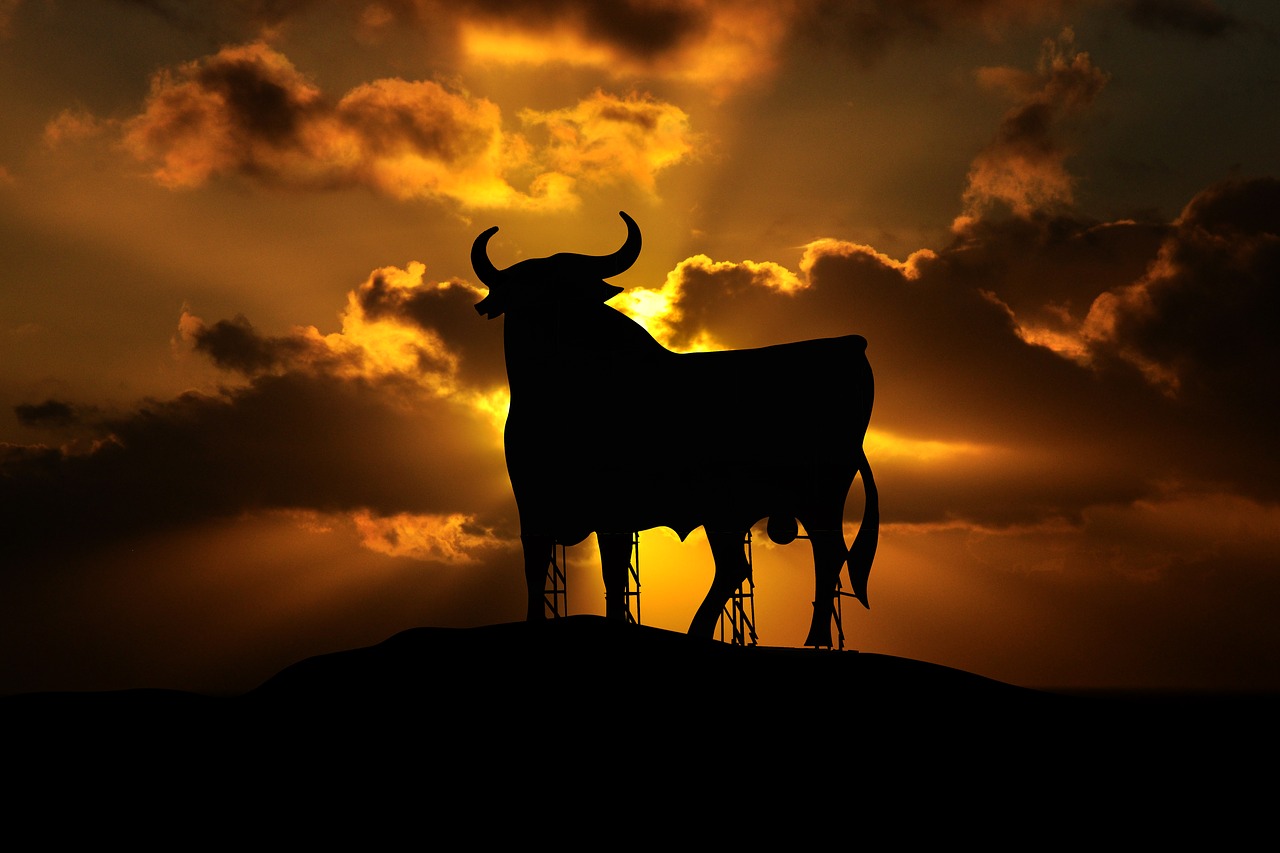
The bull, a majestic and powerful creature, holds a prominent place within the sacred narratives and allegorical frameworks of the Bible. Have you ever pondered the multifaceted meanings attributed to this mighty animal? As we delve into its symbolism, we may challenge our conventional understanding, revealing layers of significance that transcend mere physical representation.
In biblical texts, the bull often embodies strength and vitality. This association stems from the animal’s robust physical attributes, which are frequently paralleled with notions of power and authority. For instance, in the agrarian societies depicted in the scriptures, bulls were seen as instrumental for labor and prosperity. They were vital to agriculture, facilitating the tilling of land and the transportation of goods. Such associations evoke a reflection: How do we perceive strength in our contemporary lives? Is it merely physical, or does it extend into realms of courage and spiritual fortitude as well?
Moreover, the bull is emblematic of sacrifice and atonement in the biblical tradition. Within the context of the Old Testament, the ritualistic slaughter of bulls served as an act of devotion, where the faithful sought to atone for their transgressions. Leviticus elaborates upon this sacrificial system, elucidating the significance of bulls as offerings. Here arises a thought-provoking challenge: How do acts of sacrifice manifest in modern spirituality? Are there ways in which we might offer ourselves—be it time, love, or resources—in service to our communities or higher ideals?
The bull also finds itself intertwined with themes of divinity. In the Book of Exodus, the Golden Calf represents a stark deviation from the worship of Yahweh during Moses’ absence. The Israelites, in their desperation, fashioned an idol, signifying a betrayal of faith. This narrative compels us to ponder the question of idolatry. Are there modern-day ‘golden calves’—distractions and obsessions—that draw our attention away from our core beliefs and values?
In a different vein, the bull symbolizes prosperity and abundance. In agrarian cultures, a thriving herd correlated with wealth and success. Proverbs often touch upon the benefits of owning cattle, illustrating the blessings associated with diligent stewardship. However, with prosperity comes responsibility. One must ask: How do we cultivate abundance in our lives without succumbing to excess? Is there a balance between enjoying the fruits of our labor and the ethical implications of our lifestyle choices?
Interestingly, the bull also appears within prophetic literature. In the visions of the prophet Daniel and the symbolism within the Book of Revelation, the bull, along with other creatures, signifies strength and empires. This symbolism invites an introspective discourse on the nature of human ambition and power dynamics. How do leaders today embody the characteristics of the bull? Are they catalysts for growth, or do they wield their power in ways that lead to oppression?
Furthermore, the bull oftentimes represents the duality of nature—both beast and burden, protector and destroyer. In our own lives, we encounter this duality when we navigate personal challenges and triumphs. Each encounter with the ‘bull’ in our existence invites us to wrestle with our own strengths and weaknesses, much like Jacob wrestling with the angel.
In conclusion, the symbolism of the bull in the Bible is rich and varied, prompting us to engage with profound questions about strength, sacrifice, and moral integrity. Delving into this topic allows us to reflect on our own lives and the symbolism we imbue in our everyday existence. How do the attributes of the bull resonate with you? Can we transform the potent symbolism of the bull into a guide for our own journeys, fostering strength, stewardship, and self-awareness? The challenge lies in recognizing these traits within ourselves and our communities as we navigate the complexities of modern life.

