

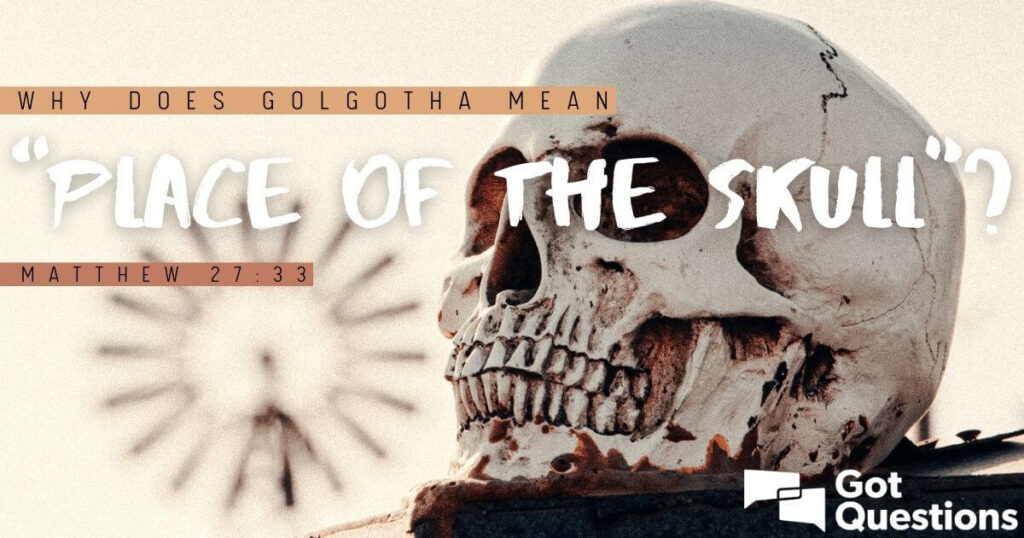
The skull, a symbol deeply ingrained in human culture, evokes a visceral reaction, invoking thoughts of mortality and the transient nature of life. In the Bible, this imagery transcends mere physicality; it dances at the intersection of mortality, sacrifice, and redemption, making it a potent symbol worthy of examination.
To understand the symbolism of the skull within biblical texts, we must first consider its connotations throughout scriptural narratives. The skull, often associated with death, serves as a stark reminder of human fragility. In the Book of Genesis, the introduction of sin through the actions of Adam and Eve brings about the inevitability of death. The skull, therefore, embodies the human condition—a mortal vessel that ultimately succumbs to decay.
Moreover, the crucifixion of Jesus further enhances the skull’s significance. The site of His crucifixion, Golgotha, translates to “Place of the Skull.” This location is not just a geographical marker; it carries profound theological implications. This intersection of death and resurrection encapsulates the Christian narrative, wherein the skull represents the place where sin and death are ultimately conquered through the promise of eternal life.
Additionally, the skull embodies the concept of redemption. In various scriptures, particularly in the New Testament, believers are encouraged to embrace their mortality as a pathway to spiritual awakening. The presence of a skull serves as a call to introspection; it compels individuals to confront their mortality, fostering a deeper appreciation for life’s fleeting beauty. The Apostle Paul, in his letters, often discusses the idea of dying to oneself in order to live through Christ, hinting at the transformation that lies beyond the grave.
The connections between the skull and the theme of sacrifice are equally compelling. Sacrifice is a recurring motif in the Bible, notably exemplified in the Old Testament rituals where animals were offered to atone for sin. In this context, the skull can symbolize not only physical death but also the spiritual death required for atonement. It is a poignant reminder that the path to redemption is wrought with suffering and sacrifice, highlighting the interconnectedness of mortality and spirituality.
Interestingly, the skull also finds its place in the allegorical interpretations present within the scriptures. Many theologians posit that the skull can symbolize human ignorance and folly—a stark contrast to divine wisdom. For instance, Proverbs often contrasts the paths of the wise versus the foolish, suggesting that the skull, representative of a fallen state, serves as a metaphor for the need for spiritual enlightenment and wisdom derived from God.
The fascination with skull imagery extends beyond its biblical roots. Throughout history, the skull has been a ubiquitous motif across art, literature, and popular culture. This pervasive presence speaks to a collective human psyche—an intrinsic recognition of mortality that is both universal and profoundly personal. The allure of the skull lies in its ability to elicit reflection upon one’s own life and choices, creating a dialogue between the seen and the unseen, the temporal and the eternal.
In conclusion, the biblical symbolism of the skull is richly nuanced, encapsulating themes of mortality, sacrifice, redemption, and wisdom. It prompts believers and thinkers alike to confront the realities of life and death, urging a deeper examination of what it means to live in the shadow of mortality. Within its stark contours lies a profound narrative of hope and transformation, inviting individuals to seek greater understanding through introspection and faith.

