

To understand the concept of an advocate in the Bible, one must traverse the rich tapestry of scripture, noting the intricate layers and profound implications. The term ‘advocate’ derives from the Greek word ‘Parakletos’, which embodies more than just the simple act of pleading on behalf of another; it signifies a concept of support, comfort, and intercession. This exploration unveils the multifaceted role of an advocate within the Christian faith, challenging one’s perspective on divine interaction with humanity.
In the Biblical narrative, the notion of advocacy is intimately intertwined with themes of salvation, grace, and mercy. Central to this discussion is the figure of Jesus Christ, often regarded as the ultimate Advocate. In 1 John 2:1, it is stated, “My little children, I am writing these things to you so that you may not sin. But if anyone does sin, we have an Advocate with the Father, Jesus Christ the righteous.” This verse encapsulates the essence of Christ’s role—standing in the gap between humanity’s shortcomings and God’s holiness. By viewing Jesus as our Advocate, believers are invited to contemplate the depth of divine love and the unyielding commitment to reconciliation.
Beyond the person of Christ, the Holy Spirit is also referred to as an Advocate, further expanding the understanding of this term. In John 14:16, Jesus promises, “And I will ask the Father, and He will give you another Helper, to be with you forever.” The Holy Spirit serves as a constant presence, guiding, comforting, and imparting wisdom to believers. This duality of advocacy—Christ as the intercessor before the Father and the Holy Spirit as the counselor within—is profoundly transformative, urging one to reflect on the inherent supportiveness that permeates the divine relationship.
Furthermore, the role of an advocate extends beyond the divine. Believers are called to embody this principle in their interactions with others. In Romans 12:15, the directive is clear: “Rejoice with those who rejoice, weep with those who weep.” This mutual advocacy fosters a community rooted in empathy and support. The implications here are significant; it challenges adherents to not only receive advocacy from the divine but also to become advocates for others, creating a ripple effect of compassion and understanding.
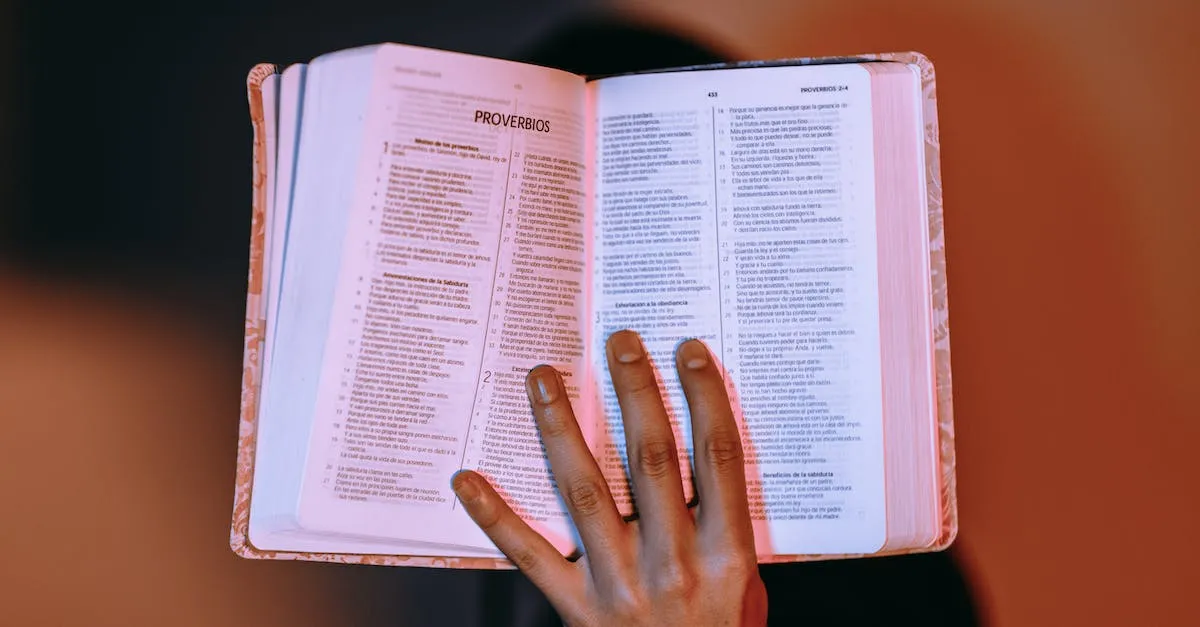
Additionally, the Biblical advocacy model highlights the importance of advocacy within the context of justice. Proverbs 31:8-9 compels individuals to speak up for those who cannot, underscoring the moral responsibility to act on behalf of the marginalized and oppressed. In this light, the concept of advocacy transcends the spiritual; it resonates within the socio-political realm, urging believers to engage actively in the pursuit of justice and equity.
In considering the promises of advocacy, one must ponder the transformative power it yields in times of struggle. When confronted with trials and tribulations, recalling the role of Jesus as an Advocate can provide immense comfort. The promise that one is never alone, that there exists a divine intercessor, calls forth courage and hope. It is this profound shift in perspective that invites curiosity and introspection, nudging believers to engage with the deeper dimensions of faith.
Ultimately, the exploration of what it means to have an advocate in the Bible is a rich and illuminating journey. It evokes a deeper understanding of divine love, the strength of community, and the call toward justice. Embracing the role of an advocate cultivates an enriching, supportive environment that not only transforms individual lives but has the potential to effectuate wider societal change. Thus, considering such a pivotal concept can stir the heart and provoke the mind, igniting a desire to embody the very essence of advocacy in daily existence.

