

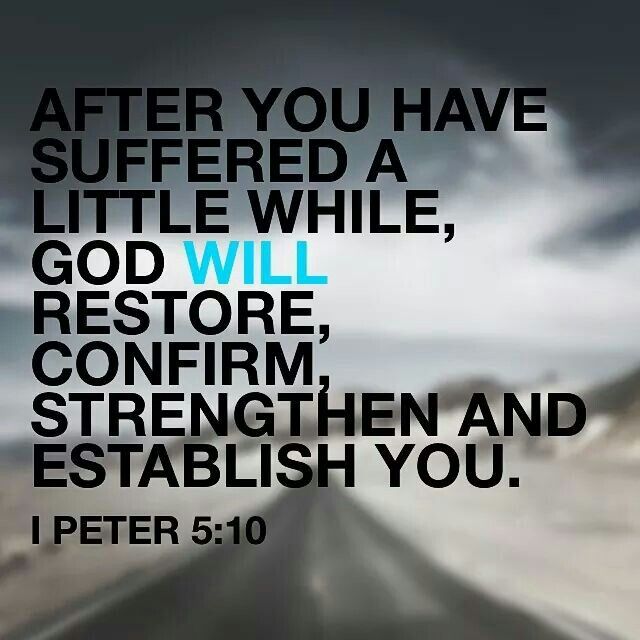
Long suffering, a term frequently referenced in biblical scripture, encapsulates a profound and often overlooked aspect of the Christian experience. This concept, while simple in its dual structure, stretches the fabric of endurance and patience beyond mere tolerance. Within the contexts of faith and devotion, long suffering emerges not just as passive endurance, but as an active, resilient journey towards grace and understanding.
At its core, long suffering can be defined as the ability to endure hardship, trials, and tribulations over an extended period. Biblical references, particularly in the context of God’s nature and His relationship with humanity, reveal that long suffering embodies both patience and mercy. In Exodus 34:6, God’s proclamation of being “abundant in lovingkindness and truth” showcases a divine reluctance to anger and a powerful willingness to forgive. This foundational principle beckons believers to reflect on their own lives, urging an attitude of patience towards others as a reflection of God’s unwavering love.
The juxtaposition of long suffering against the backdrop of modern culture, characterized by instantaneous gratification and fleeting emotions, invites a fascinating exploration of its significance. In a society where quick resolutions are the norm, the biblical notion of long suffering compels individuals to grapple with the complexities of enduring pain or difficulty, finding strength in vulnerability. It encourages a shift in perspective: rather than viewing challenges as mere obstacles, they become profound opportunities for spiritual growth.
Throughout the New Testament, the apostles illuminate the transformative power of long suffering. In James 1:2-4, believers are admonished to “count it all joy” when facing trials, for such experiences refine faith and cultivate perseverance. Herein lies a tantalizing paradox: suffering is not only an inevitable part of life but also a catalyst for deeper intimacy with the divine. Those who learn to embrace the trials often find themselves emerging with a richer, more nuanced understanding of their faith, revealing that long suffering, when approached thoughtfully, can forge unshakeable character.
Furthermore, the narrative of Job stands as a quintessential illustration of long suffering. Stripped of his wealth, health, and family, Job’s unwavering faith amid devastation underscores a profound truth: suffering does not dictate one’s relationship with God, but rather reveals the depth of that bond. Through his trials, Job’s perspective is radically shifted; he moves from questioning God’s justice to ultimately surrendering in awe of divine sovereignty. This metamorphosis symbolizes the essence of long suffering — a journey from despair to hope.
In practical applications, long suffering encourages mercy in interpersonal relationships. It invites individuals to exercise compassion, extending grace to those who falter, akin to how believers receive divine forgiveness. The cultivation of such traits not only enriches community bonds but also reflects a profound understanding of one’s own struggles. As the Apostle Paul elucidates in Galatians 6:2, bearing one another’s burdens is integral to fulfilling the law of Christ, exemplifying how long suffering transcends personal endurance and fosters collective support.
Ultimately, long suffering in the Bible serves as an invitation to embrace the complexities of existence with grace. It challenges the faithful to recognize that enduring trials can lead to a flourishing of spiritual insight and emotional resilience. This counterintuitive wisdom shifts perspectives from a focus on immediate relief to an appreciation of the growth that emerges from suffering. The notion that long suffering is intertwined with love, mercy, and hope can profoundly enrich one’s spiritual journey, encouraging an enduring faith amidst the tumult of life.

