

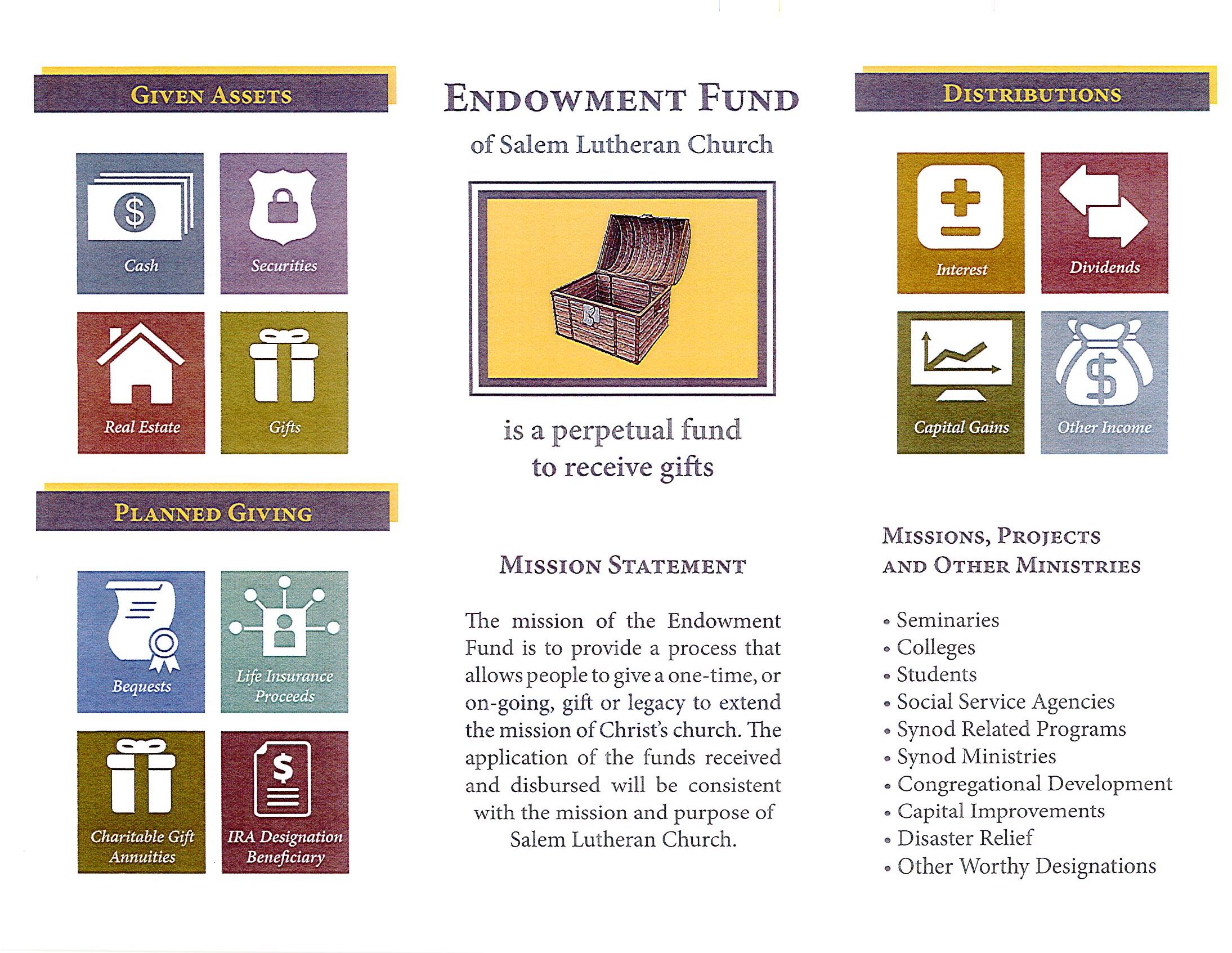
Imagine a river flowing not just today, but for centuries—its waters nourishing generations yet unborn. Now, picture your church not merely as a building of brick and mortar, but as a living wellspring of faith, hope, and legacy. What if you could ensure that the light of your congregation’s mission never flickers, even in the darkest seasons? An endowment fund is more than a financial vessel; it is a covenant with the future, a promise etched not in ink, but in the quiet resolve of stewardship and vision.
The Sacred Imperative: Why an Endowment Fund Matters
At its core, an endowment fund is a reservoir of perpetual generosity. Unlike a temporary fund that depletes with time, an endowment is designed to grow, to compound, and to distribute only the earnings—never the principal. This is not mere fiscal prudence; it is an act of sacred foresight. When a church establishes an endowment, it declares that its mission transcends the immediate. It says: “We are planting oaks today so that our children may rest in their shade tomorrow.”
Consider the ripple effect. A single gift, wisely stewarded, can fund scholarships for future pastors, maintain sacred spaces for decades, or launch outreach programs in times of crisis. It transforms fleeting donations into an enduring legacy. But beyond the practical, there is something profoundly spiritual at play. An endowment is an act of faith—a belief that the work of the church is not bound by the lifespan of its current members, but is instead woven into the fabric of eternity.
Laying the Cornerstone: Defining Your Vision
Before drafting a single policy or opening an investment account, pause and ask: What does our church dream of becoming? An endowment is not a one-size-fits-all vessel. Some churches envision perpetual prayer, funding daily worship for generations. Others focus on community transformation, seeding social justice initiatives that bloom over time. Still others prioritize education, ensuring that theological training remains accessible to all who seek it.
This vision must be articulated with clarity and shared widely. It becomes the North Star guiding every decision—from fund allocation to donor communication. A compelling vision does more than inform; it inspires. It turns abstract dollars into tangible hope. When congregants understand that their gift today will echo in the lives of a child baptized in 2050, they don’t just give money—they become co-creators of a sacred legacy.
The Architecture of Generosity: Structuring Your Fund
Designing an endowment is akin to building a cathedral—each stone must be carefully chosen, each arch meticulously planned. The structure begins with governance. Who will oversee the fund? A dedicated committee, perhaps with financial experts, clergy, and lay leaders, ensures accountability and transparency. Clear bylaws prevent drift and protect the fund’s integrity for centuries.
Next comes the funding mechanism. Will you accept outright gifts, planned bequests, or both? Some churches launch with a seed gift from a generous family. Others cultivate a culture of “legacy giving,” where members designate a portion of their estate. The most resilient endowments blend these approaches, creating a mosaic of support that is both immediate and enduring.
Investment strategy is the lifeblood of the fund. Conservative growth may prioritize bonds and blue-chip stocks, while more ambitious funds might include alternative assets like real estate or private equity. The key is balance—preserving capital while allowing it to flourish. And remember: an endowment is not a savings account. It is a garden that must be tended, pruned, and nurtured with patience and wisdom.
Cultivating the Soil: Engaging the Congregation
A fund, no matter how well-structured, is lifeless without the heartbeat of the community. The most successful endowments are not built in boardrooms, but in the pews. Begin with storytelling. Share the story of a young person whose seminary education was made possible by an endowment gift. Or the story of a family whose ancestor’s generosity still funds the church’s outreach today. These narratives transform abstract numbers into living testimonies.
Make giving accessible. Offer multiple entry points—monthly pledges, stock donations, or even cryptocurrency for the tech-savvy. Host educational seminars on estate planning, demystifying the process so that members see legacy giving not as a burden, but as an opportunity to leave a mark on eternity. And celebrate every contribution, no matter the size. A $10 monthly gift from a widow on a fixed income is as sacred as a million-dollar bequest from a patriarch.
Above all, foster a culture of gratitude. When donors feel seen, valued, and connected to the impact of their gift, they become not just contributors, but advocates. They speak of the endowment in conversations, in prayers, in the quiet confidence that their church is not just surviving, but thriving—today and tomorrow.
Navigating the Rapids: Common Challenges and Solutions
Even the most well-intentioned endowment will face turbulence. Economic downturns may shrink the fund’s value. Leadership may change. Congregational enthusiasm may wane. But these challenges are not roadblocks—they are opportunities to refine and strengthen the vision.
During financial crises, resist the urge to dip into principal. Instead, adjust spending policies temporarily. Communicate openly with donors about the need for patience and perseverance. When leadership transitions occur, ensure that the endowment’s purpose is embedded in the church’s DNA, so that new stewards inherit not just assets, but a sacred trust.
Perhaps the greatest challenge is sustaining momentum. Endowments are not built overnight. They require decades of consistent nurturing. The solution? Make the fund visible. Display its growth on a digital dashboard in the narthex. Publish annual impact reports that show how gifts are transforming lives. Invite donors to witness the harvest of their seeds.
The Eternal Harvest: Measuring Success
How do you know if your endowment is flourishing? The answer lies not in balance sheets alone, but in stories. A scholarship awarded. A sanctuary restored. A community center built. These are the true metrics of success. Yet, there is another, more subtle measure: the transformation of the congregation itself. An endowment does not just fund programs—it reshapes identity. It shifts the narrative from “How will we survive?” to “How will we thrive?”
It invites members to think beyond their lifetimes. It fosters a sense of belonging to something greater than themselves. It turns a church from a place of weekly attendance into a living legacy. And in doing so, it redefines what it means to be a steward—not just of money, but of faith, hope, and love.
To establish an endowment is to plant a seed in the soil of eternity. It is an act of defiance against the fleeting nature of time. It is a whisper to the future: “We were here. We cared. We built something that will outlast us all.” And when the next generation walks into your sanctuary, sits in the same pews, and hears the same hymns, they will not just see a building—they will feel the pulse of a promise kept.

