

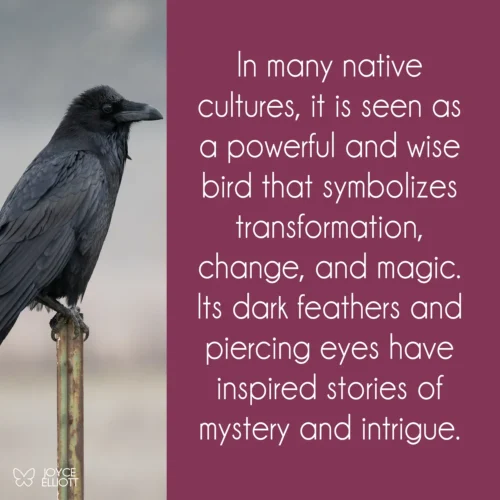
The raven, an enigmatic figure woven into the fabric of Biblical narratives, emerges as a creature steeped in symbolism, mystery, and profound life lessons. Nestled within the scriptures, these birds bear significant meanings that resonate through ages, inviting contemplation on themes of provision, chaos, and divine intervention.
From the outset, one cannot overlook the raven’s first notable appearance in the Bible, found in the book of Genesis. Here, Noah sends out a raven after the flood, seeking to ascertain whether the waters have receded. Unlike the dove that follows, which ultimately brings back an olive branch symbolizing peace and restoration, the raven does not return. This pivotal moment suggests the raven’s association with untamed nature. It represents the wild, the formless chaos that humanity often grapples with. Its indifferent flight over the flooded earth signifies the transitional state between life and desolation—a metaphor for the human experience in the face of turmoil.
Moreover, ravens are emblematic of God’s providence. In the Gospel of Luke, Jesus articulates a profound truth: “Consider the ravens: They do not sow or reap, they have no store room or barn; yet God feeds them.” This proclamation underscores a spiritual principle—the assurance of divine care amidst uncertainty. The raven, scavenging and foraging, serves as a metaphor for trust and reliance on the Creator. It invites believers to relinquish the impulse to hoard and control, fostering a sense of reliance on a higher power that sustains all creation.
Interestingly, the raven’s black plumage often evokes associations with darkness and death. In a literary sense, this duality captures the essence of life’s cyclical nature—where death somehow births new beginnings. This paradox is illustrated vividly in the writings of the prophet Elijah, who is miraculously fed by ravens during a time of drought and famine. In this context, the raven does not merely embody death but also serves as a conduit of life-giving sustenance. Here, it emerges as an unexpected harbinger of hope, suggesting that even amidst desolation, divine provision can manifest in the most unlikely forms.
Furthermore, the symbolism of the raven serves to illuminate themes of wisdom and mystery. In Psalm 147, the psalmist declares, “He provides food for the cattle and for the young ravens when they call.” The young ravens’ incessant cries reflect a yearning for sustenance, evoking the spiritual appetite intrinsic to the human soul. This cry resonates deeply within one’s own search for clarity and understanding in life’s myriad complexities. The raven, as a totem of inquiry, encourages exploration and the pursuit of knowledge, aligning with the Biblical call to seek wisdom and understanding.
The raven also inhabits a space where the sacred and the profane converge, invoking contemplation on morality, ethics, and the human condition. Its presence in various narratives often challenges social norms and religious expectations. It embodies a raw authenticity—a visceral connection to the divine that transcends traditional boundaries, urging one to embrace the multifaceted nature of faith.
In conclusion, the raven, shrouded in both darkness and light, symbolizes a rich tapestry of meanings throughout the Bible. Its role as a messenger of chaos, a testament to providence, a vehicle of wisdom, and a reminder of life’s cyclical nature evokes an awe-inspiring intrigue. The call of the raven not only beckons reflection but invites all to navigate the delicate balance of existence—one that weaves threads of despair, hope, and divine sustenance into the broader narrative of life.

