

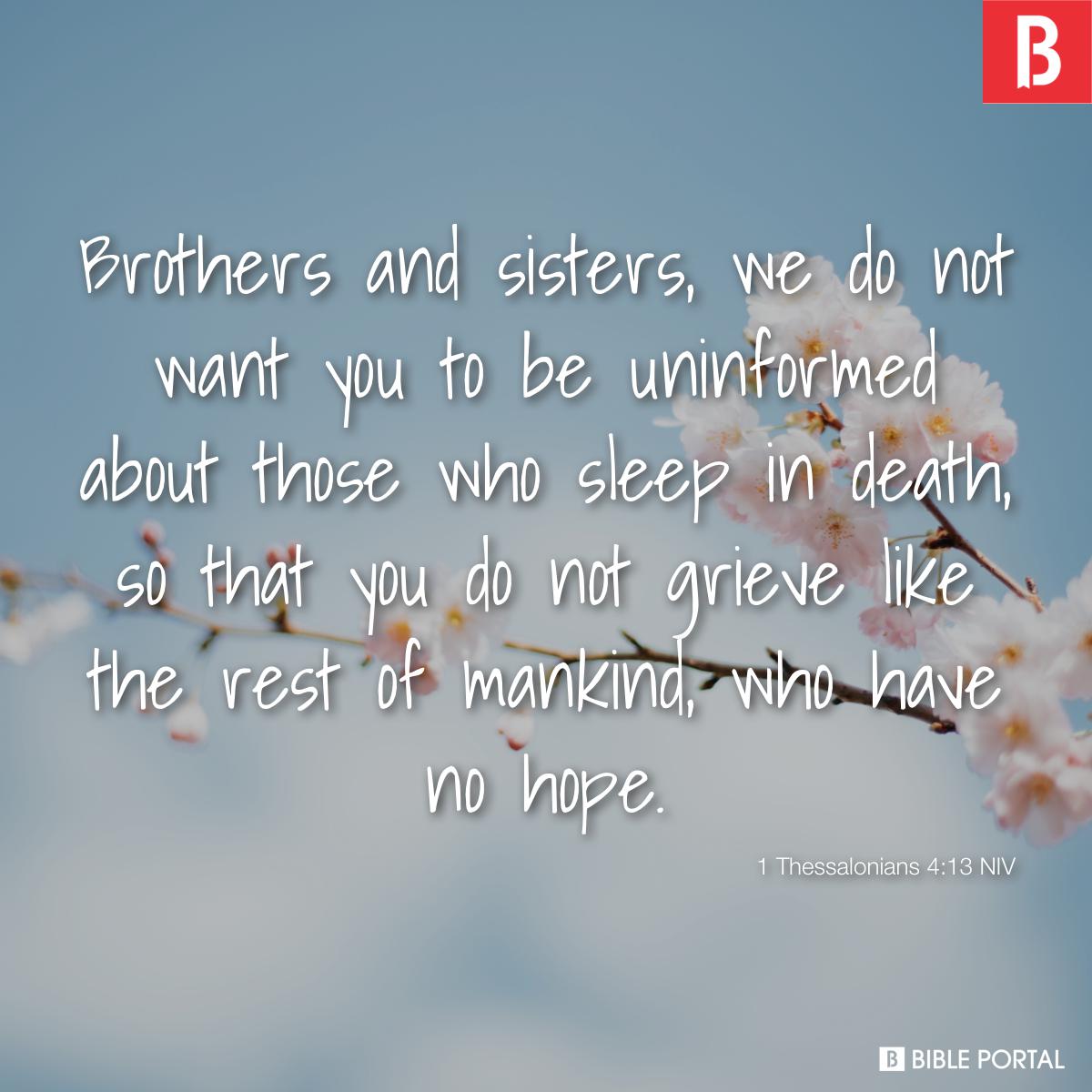
In the grand tapestry of human experience, death weaves a particularly poignant thread. Funerals stand as somber sanctuaries where the pile of grief is heaped, transcending cultural and temporal boundaries. Yet, amidst this collective mourning, a question emerges: What does the Bible say about refraining from attending a funeral? To explore this intricate theme, one must traverse the scriptures, examining the depths of communal bonds, the consequences of isolation, and the sacredness of farewells.
At the heart of the biblical narrative lies an intrinsic call to community. The exhortation found in Ecclesiastes 3:1-4 emphasizes a time for every season, including a time to mourn. This duality between joy and sorrow intertwines our existence, suggesting a profound interconnectedness within the human experience. Funeral gatherings are not merely events; they are communal rituals, allowing individuals to confront their loss with the support of others, sharing in the collective healing process. To abstain from attending can evoke a sense of abandonment, as if one is intentionally severing the thread that binds them to the mourning community.
Moreover, one must reflect upon the teachings of Jesus, who, despite His divine nature, intimately engaged with human sorrow. In John 11:35, the profound simplicity of “Jesus wept” reveals the importance of empathy and presence. The act of attending a funeral, therefore, can be perceived as more than a mere obligation; it is a deliberate act of compassion. It becomes a manifestation of love, a gesture that transcends words, providing solace to those grappling with profound loss. Choosing not to partake in this sacred rite can inadvertently send a message of detachment, potentially deepening the wounds of those left bereaved.
Yet, there are circumstances wherein one may feel compelled to abstain from attending a funeral. In such nuanced situations, the scriptures offer insights rooted in wisdom and discernment. For instance, 1 Peter 3:8 encourages individuals to maintain a harmonious mindset, urging them to act in love—not to isolate oneself through indignation or unresolved conflicts. Should the choice to refrain stem from deeper emotional turmoil or unresolved interpersonal relationships, this may warrant careful reflection. However, it becomes paramount to evaluate whether one’s absence serves to heal or merely to avoid discomfort.
The repercussions of not attending can extend beyond personal relationships to a spiritual level. In James 5:16, the emphasis on confessing sins and healing in community underscores the importance of vulnerability. By sharing in one another’s grief, we participate in a transformative process that fosters spiritual growth. Thus, when one opts out of a funeral, they may miss a crucial opportunity for healing and collective mourning, a necessary catharsis in the journey of life and death.
In conclusion, the decision to attend or abstain from a funeral is laden with complexity and significance. The Bible invites us to engage fully with our communities, particularly in moments of profundity such as a funeral. In times of sorrow, our presence can illuminate the path toward healing, forging bonds that fortify us against the inevitable vicissitudes of life. In honoring those who have passed, we not only acknowledge their existence but also affirm our collective humanity. And in this intricate dance of presence and absence, one finds the threads of love, connection, and ultimately, a deeper understanding of life itself.

