

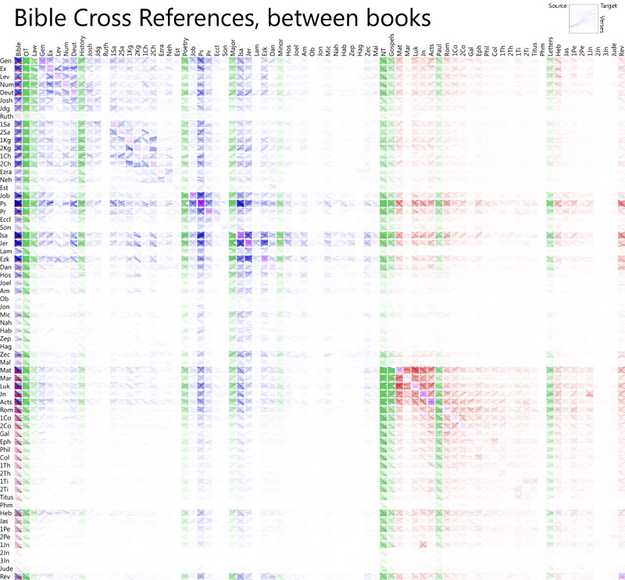
Cross references in the Bible serve as a crucial tool for understanding the interconnectedness of Scripture. They guide readers through the intricate web of biblical narratives, theological themes, and moral principles, fostering a deeper engagement with the text. This multi-dimensional nature of cross-referencing enriches the study of the Bible in various ways.
At their core, cross references are annotations that link one scripture verse with another, illuminating how different passages supplement and clarify each other. The varieties of cross references can be broadly categorized into several types: thematic, narrative, prophetic, and linguistic.
Thematic cross references highlight recurring themes that span across different books of the Bible. For instance, the concept of redemption appears throughout both the Old and New Testaments. A passage in Exodus discussing the Passover can be cross-referenced with John’s depiction of Jesus as the “Lamb of God,” thereby emphasizing the continuity of God’s plan for salvation. This thematic linkage invites readers to explore how similar ideas are articulated across diverse cultural and historical contexts.
Narrative cross references, on the other hand, provide insight into the unfolding story of salvation history. They allow readers to trace the biblical narrative from creation through to the culmination in Christ. For example, references to the creation account in Genesis can be cross-linked with passages in the Gospels that speak of Jesus as the Word, echoing the themes of creation and life. Such connections enrich the understanding of how the Bible is not merely a collection of isolated writings but a cohesive and harmonious story.
Prophetic cross references unveil the fulfillment of specific prophecies throughout the biblical text. The prophetic literature in the Old Testament often contains anticipatory glimpses of events depicted in the New Testament. For example, Isaiah’s prophecies concerning the suffering servant can be directly related to the accounts of Jesus in the Gospels. These linkages certify the credibility of biblical prophecy and can deepen one’s faith in the integrity of the scriptural narrative.
Linguistic cross references denote the use of similar words or phrases that may indicate a connection between different passages. This can reveal layers of meaning that may not be immediately apparent. For instance, the term “covenant” appears in various contexts; understanding its use across Genesis, Exodus, and the New Testament helps to elucidate God’s unchanging commitment to His people and the transformative nature of such promises.
Cross references encourage readers to engage in a more holistic study approach. Instead of reading verses in isolation, one is prompted to consider the scripture as a living dialogue. This practice of cross-referencing fosters a deeper affinity for the text, as it transforms solitary reading into a multifaceted exploration filled with insights and revelations.
Moreover, modern tools such as digital platforms and study Bibles with built-in cross-references make accessing this wealth of connected information easier. These resources often feature thoughtful annotations that guide users in navigating the layers of biblical text. Readers can quickly jump to referenced verses, allowing for a dynamic reading experience that encourages both curiosity and discovery.
In conclusion, the exploration of cross references in the Bible provides a rich tapestry of connections that deepen our understanding of Scripture. By highlighting themes, narratives, prophetic insights, and linguistic nuances, cross references facilitate a more comprehensive approach to biblical study. Ultimately, they invite readers into an engaging and transformative journey through the sacred text, unveiling the timeless wisdom contained within its pages.

