

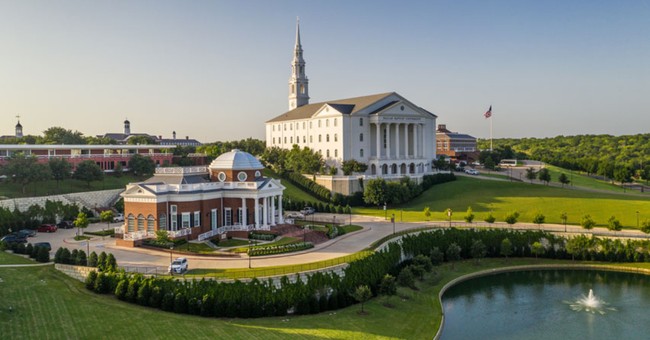
At the confluence of devotion and discovery, a curious paradox emerges: Can a campus where the cross is as visible as the chemistry lab truly cultivate both faith and intellect? This question animates the narrative of Christian colleges and universities, where sacred tradition meets scholarly ambition, and where the very notion of higher learning is refracted through a theological prism.
Historical Roots and Ecclesiastical Foundations
The lineage of faith‑based academia stretches back centuries, tracing its earliest imprint to monastic schools that later blossomed into medieval universities. In the United States, denominations such as the Baptists, Methodists, and Presbyterians planted academies in the 18th and 19th centuries, envisioning education as a sanctified enterprise. These institutions were not merely sanctuaries of worship; they were crucibles where biblical worldview was fused with emerging scientific inquiry. Over time, the term “Christian college” evolved from a标签 denoting exclusive doctrinal instruction to a broader label encompassing a commitment to integrative learning.
Mission, Identity, and the Theological Core
A defining characteristic of Christian higher education is its articulated mission: to develop “whole‑person” graduates who embody intellectual excellence and spiritual maturity. Mission statements often invoke language of “faith‑learning integration,” a pedagogical philosophy championed by scholars like Abraham Kuyper, who argued that every academic discipline can be pursued under the lordship of Christ. This identity is reinforced through required courses in biblical studies, chapel attendance, and the presence of faculty who model Christian vocation. Yet the emphasis on theological orthodoxy also raises a potential challenge: balancing doctrinal fidelity with the pluralistic expectations of modern accreditation bodies.
Academic Portfolio: Degrees, Research, and Innovation
Contrary to popular perception, Christian colleges offer a remarkably diverse academic portfolio. From liberal arts colleges that award bachelor’s degrees in humanities to universities that confer doctorates in engineering and nursing, these institutions have expanded their scholarly reach. Many have invested heavily in research centers that explore topics such as bioethics, environmental stewardship, and the intersection of technology and moral theology. Students benefit from interdisciplinary curricula that encourage critical analysis of secular theories through a faith‑based lens, fostering graduates equipped to navigate complex societal questions.
Campus Culture: Spiritual Formation and Community Life
The daily rhythm of a Christian college often blends academic rigor with communal worship. Morning prayers, service projects, and small‑group accountability circles constitute core rituals that nurture spiritual formation. Co‑curricular activities—like worship bands, fellowship groups, and outreach missions—create a tight‑knit ethos where faith permeates social interaction. This immersive environment is designed to cultivate virtues such as humility, servanthood, and integrity, offering students a supportive crucible for personal growth. Yet the intensity of community expectation may also generate pressures to conform, prompting questions about the authenticity of individual religious experience.
Financial Models, Governance, and Autonomy
Funding streams for Christian colleges typically blend tuition revenue, private philanthropy, and denominational support. While some institutions operate under direct ecclesiastical oversight, others are governed by independent boards that preserve academic freedom within doctrinal boundaries. The dual reliance on church affiliation and market forces creates a delicate financial equilibrium. Endowments tied to religious missions can attract donors who value spiritual emphasis, but they also impose expectations that may constrain certain research topics. This tension raises a critical challenge: how to preserve institutional autonomy while honoring the theological commitments that define the college’s identity.
Contemporary Challenges: Secularization, Pluralism, and Public Perception
As higher education becomes increasingly secular, Christian colleges confront the paradox of being both counter‑cultural and mainstream. The rising prominence of secular worldview courses, LGBTQ+ advocacy, and debates over academic freedom test the willingness of these institutions to adapt without diluting core beliefs. Moreover, public perception often oscillates between admiration for moral grounding and skepticism about academic credibility. How will these schools navigate the fine line between preserving doctrinal integrity and embracing the diversity of thought essential to scholarly progress?
Future Trajectories: Innovation, Global Engagement, and the Evolving Identity
Looking ahead, many Christian colleges are exploring hybrid models that blend online delivery with on‑campus experiences, expanding their reach beyond regional borders. Partnerships with international churches, global service initiatives, and cross‑cultural research programs illustrate a commitment to outward engagement. At the same time, the theological narrative continues to evolve, prompting dialogues about the role of women in leadership, the inclusion of minorities, and the re‑interpretation of sacred texts in light of contemporary scholarship. The capacity to adapt while remaining anchored in faith will determine whether these institutions

