

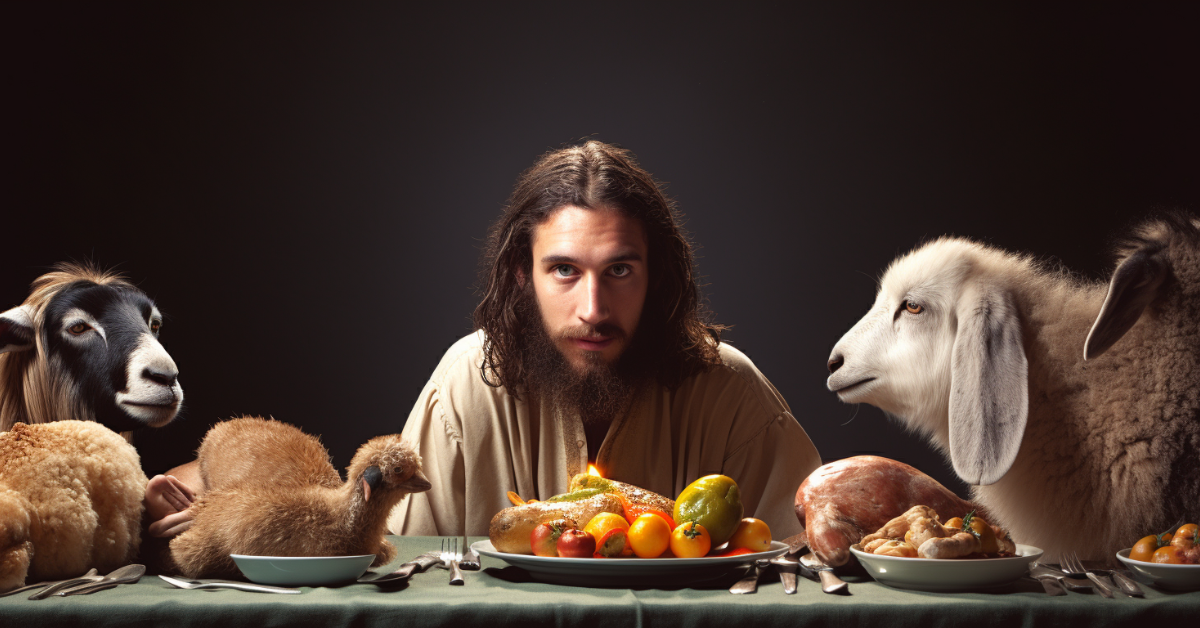
Have you ever pondered the intricate relationship between spirituality and sustenance? In a world filled with dietary choices, one can’t help but wonder: What does the Bible really say about eating animals? This query not only probes into the theological ramifications of consuming meat but also challenges the moral fabric of contemporary eating practices. As we sift through the sacred texts, we unravel a tapestry of principles, reflections, and guidelines intended for the faithful.
To embark on this exploration, we first encounter the earliest narrative concerning dietary restrictions within the Garden of Eden. In Genesis, the divine decree stipulates that Adam and Eve were initially vegetarians, instructed to consume only the fruits and herbs found within the garden. This idyllic scene raises intriguing questions: Was the original divine intention for humankind to abstain from animal products altogether? Or was this merely a primordial phase before the complexities of human existence unfolded?
As we navigate through the biblical canon, a significant shift occurs post-Flood. In Genesis 9:3, God grants Noah and his descendants permission to eat meat, declaring, “Every moving thing that lives shall be food for you.” This pivotal moment illustrates a transition from the garden’s dietary purity to the acceptance of animal consumption. But this allowance does not occur without caveats; the divine directive includes the explicit prohibition of consuming blood, symbolizing life itself. Here, a dual narrative arises: while animals may serve as nourishment, a sacred respect for their existence is emphasized.
Moving into the Mosaic Law, we encounter further instructions regarding dietary choices. The books of Leviticus and Deuteronomy outline a list of clean and unclean animals, delineating what is acceptable for consumption. Such distinctions prompt deeper reflection on the spiritual significance of dietary choices, suggesting an inherent connection between what we consume and our moral standing before God. Adhering to these laws served to set the Israelites apart, reinforcing their identity as a chosen people bound by divine commandments.
Yet, in the New Testament, the conversation takes on a cultural dimension. During the era of Christ, the delineation between clean and unclean begins to blur. In Mark 7:18-19, Jesus articulates the notion that it is not what enters a person that defiles them, but rather what comes out of their heart. This transformative perspective hints at the possibility that dietary regulations serve less as an absolute moral compass and more as a reflection of one’s inner state. It nudges us to question whether culinary practices ought to be tethered strictly to scriptural edicts or enriched by personal conviction and ethical consideration.
In pondering whether to partake in the consumption of animals, we inevitably face a myriad of dilemmas. What about the ethical implications surrounding factory farming and animal welfare? Are Christians called to advocate for humane treatment of creatures, infused with the understanding that they too are part of God’s creation? These modern challenges impart a sense of responsibility upon believers to interrogate their eating habits, aligning personal choices with a wider theological framework.
Ultimately, the biblical dialogue on eating animals invokes a call to mindfulness. Whether one chooses to embrace a carnivorous lifestyle or opts for vegetarianism, the core ethos remains singular: to honor the Creator through our food choices. Thus, the question lingers—how does one embody faith through their culinary decisions? The answer may lie not in strict adherence to ancient texts but in the ongoing dialogue between scripture, ethics, and individual conscience. The quest for enlightenment continues, inviting each person to navigate their unique path through the moral labyrinth of dietary choices.

