

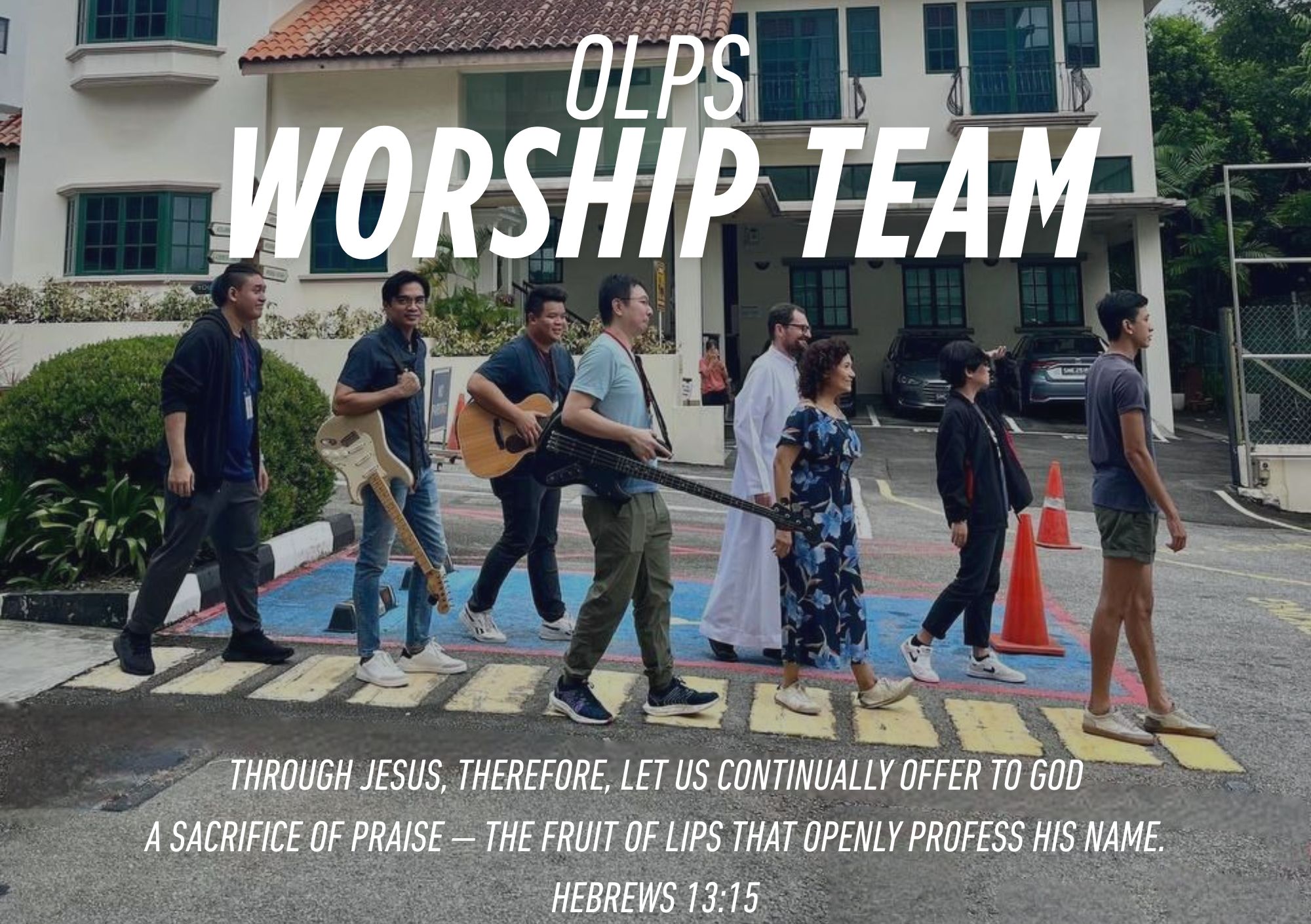
Welcome to a journey where faith and melody converge, where hearts are stirred and spirits lifted. In the life of a vibrant parish, a worship team serves as the sonic conduit between the congregation and the divine, weaving together voices, instruments, and prayer into a tapestry of communal reverence. Whether you are a seasoned music director or a newly appointed ministry leader, the challenge of assembling and nurturing a worship ensemble can feel both exhilarating and daunting. This guide walks through the essential steps—spiritual recruitment, structured training, dynamic community building, and continual growth—providing a roadmap that honors tradition while embracing contemporary expression.
Discerning the Divine Call: Spiritual Foundations for Recruitment
Before any audition notice is posted, the first act of recruitment is a prayerful discernment. Pastors and team leaders are called to listen for the quiet stirring of the Holy Spirit within potential members. This process begins with personal invitation: a conversation over coffee, a handwritten note, or a moment of shared silence after Mass. Encourage individuals to examine their motivations—whether they seek personal expression, a desire to serve, or a longing to deepen their relationship with God. By framing recruitment as a vocational calling rather than a talent hunt, you cultivate an atmosphere where participants view their role as a sacred ministry, not merely a performance slot.
Vision Casting: Articulating the Ministry’s Purpose
A succinct, compelling vision statement becomes the beacon guiding prospective members. Use vivid imagery: “We are a chorus of pilgrims, echoing the ancient chants of saints while exploring new harmonic horizons.” Communicate the team’s dual commitment—musical excellence and spiritual authenticity. Distribute a glossy brochure (or a digital leaflet) that outlines expectations, rehearsal schedule, and the theological underpinnings of worship. Highlight the communal benefits: formation opportunities, retreat experiences, and the privilege of participating in liturgical milestones such as Easter Vigil or Corpus Christi processions.
Audition Alchemy: Balancing Skill and Spirit
The audition process must be both rigorous and reverent. Design a two‑stage evaluation: a musical component (e.g., a prepared piece on instrument or voice) followed by a pastoral interview. In the musical segment, assess pitch accuracy, rhythmic stability, and the ability to adapt to a given chord progression or hymn tone. The pastoral interview, conducted by a senior minister or elder, delves into personal faith journey, availability, and willingness to commit to a weekly rehearsal schedule. Record feedback on a standardized rubric that weighs technical proficiency alongside spiritual maturity, ensuring the selection reflects holistic readiness.
Onboarding and Initial Formation: Building the Bedrock
Once the new cohort is welcomed, a structured onboarding week sets the tone. Provide a “Worship Team Handbook” that covers liturgical calendar basics, church doctrine on music, and practical logistics (e.g., song selection workflow, stage plot, and equipment handling). Host an orientation retreat—ideally at a quiet retreat center—where participants engage in ice‑breakers, team‑building games, and an introductory prayer service. During this phase, assign mentors: veteran musicians who model devotion and offer guidance on navigating the nuanced dynamics of congregational worship.
Skill Development and Theological Depth: The Training Curriculum
A robust training program intertwines musicianship with theological formation. Schedule weekly rehearsals that blend technical rehearsals (scales, sight‑reading, dynamic control) with reflective sessions exploring the theological significance of each hymn or contemporary worship song. Incorporate modules on “Liturgical Choreography”—the deliberate movement of musicians on stage—to foster a cohesive visual presence. Introduce resources such as the “Hymnody Handbook” or podcasts that dissect the historical context of worship pieces, encouraging participants to internalize the narrative they convey.
Cultivating Community: Fellowship, Prayer, and Mutual Support
Community life sustains a worship team beyond musical competence. Facilitate monthly fellowship gatherings—potluck dinners, group outings, or volunteer service projects—that deepen interpersonal bonds. Encourage a culture of mutual accountability: pair newer members with seasoned “buddy” musicians for one‑on‑one encouragement. Organize a weekly prayer circle before rehearsal, inviting the Holy Spirit to guide rehearsal intentions and to nurture spiritual renewal. Such practices embed a sense of belonging, transforming the team into a family of faith rather than a collection of individual performers.
Leadership and Supervision: Guiding with Grace
Effective leadership is both decisive and relational. The worship leader or music director should model humility, accountability, and a passion for worship that inspires the ensemble. Conduct regular check‑ins with team members to discuss progress, challenges, and aspirations. Provide constructive feedback framed within a “growth mindset,” emphasizing effort over innate talent. When disputes arise—whether over stylistic choices or scheduling conflicts—address them promptly through mediation, prayer, and a commitment to the team’s overarching mission.
Evaluation and Continuous Improvement: Metrics, Feedback, and Growth
Periodic evaluation ensures the team remains dynamic. Implement a simple feedback loop: after each service, distribute a brief survey assessing musicality, spiritual impact, and logistical execution. Review these responses during a quarterly “Reflection Meeting,” celebrating successes (e.g., a moving Easter anthem) and identifying areas for improvement (e.g., clearer sound checks). Encourage self‑assessment by asking musicians to journal their personal growth. Use this data to adjust rehearsal priorities, introduce new repertoire, and refine the overall ministry strategy.
A Legacy of Sound: Celebrating Milestones and Future Horizons
Every worship team composes a legacy—a story of devotion that echoes through time. Mark significant anniversaries or landmark events with celebr

