

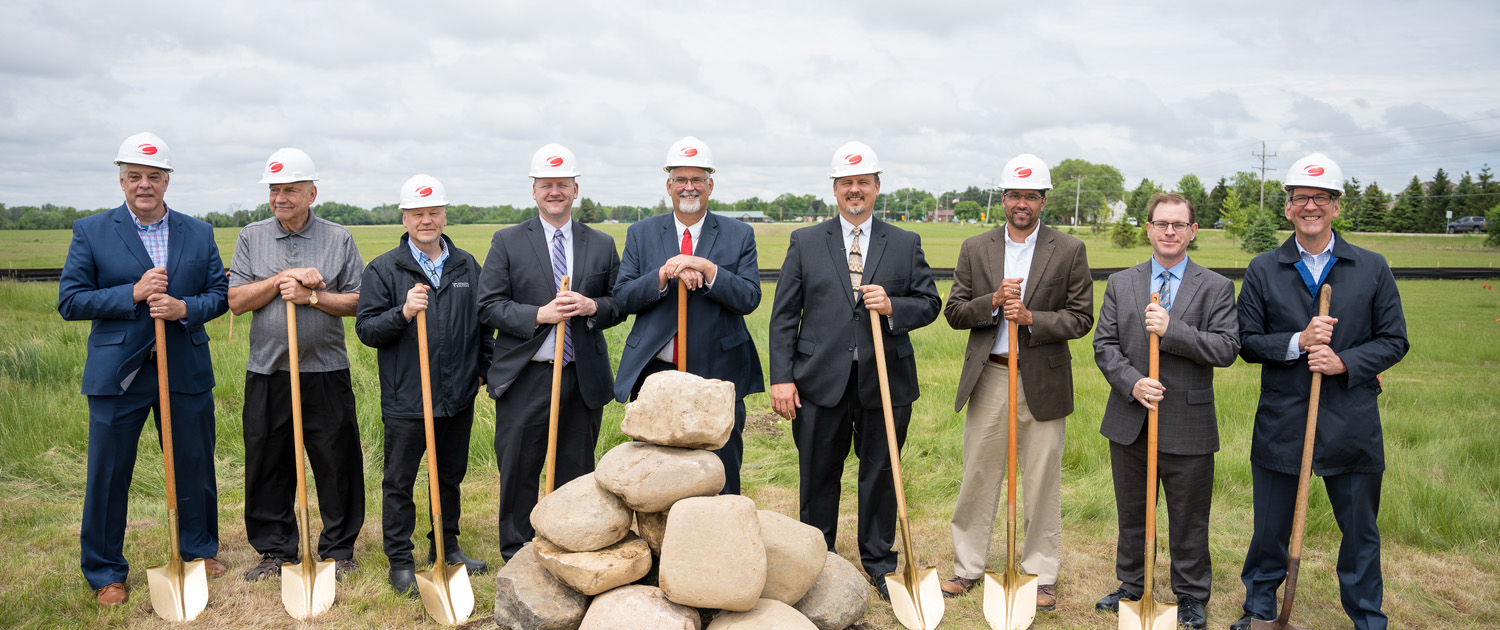
There’s a moment in every great story when the first brick is laid—not just as a physical act, but as a declaration. A groundbreaking ceremony is more than a ribbon-cutting or a photo op; it’s the spark that transforms an idea into something tangible, something sacred. For a church, this moment carries weight far beyond construction timelines. It’s where faith meets foundation, where hope is etched into the earth itself. But how do you celebrate such a pivotal occasion in a way that resonates deeply, not just with the congregation, but with the community at large? The answer lies in blending tradition with intention, symbolism with sincerity, and ceremony with celebration. Let’s explore how to turn this milestone into a memory that lingers—and a promise that endures.
The Prelude: Setting the Stage for Sacred Beginnings
Before the first shovel touches the soil, the groundbreaking ceremony must be meticulously choreographed. This isn’t merely about logistics; it’s about creating an atmosphere where the ordinary feels extraordinary. Choose a date that aligns with the church’s liturgical calendar or a season of renewal—spring, for instance, when life burgeons anew. The location itself should be more than a plot of land; it should be a canvas waiting to be painted with meaning. Consider the topography: a slight elevation for the altar, a pathway that winds like a pilgrimage, or a central tree to symbolize growth. Lighting matters too. Soft, warm illumination—lanterns, candles, or even strategically placed solar lights—can evoke a sense of reverence, as if the very ground is being blessed by unseen hands.
Invitations That Whisper, Not Shout
Your guest list should feel like an invitation to a secret, not a mass email. Handwritten notes on parchment-style paper, delivered by members of the congregation, carry an intimacy that digital invites never will. For those who must receive digital correspondence, design an email that mimics the aesthetic of an old church bulletin—faded ink, calligraphic fonts, and a wax seal graphic. The wording should be deliberate: not just “You’re invited,” but “Join us as we lay the first stone of our future.” This subtle shift transforms the event from a social obligation to a shared pilgrimage. And don’t overlook the power of word-of-mouth. Ask your most charismatic congregants to extend personal invitations to local leaders, business owners, and even skeptics. A groundbreaking ceremony is as much about building bridges as it is about building walls.
The Ceremony: Rituals That Echo Through Time
A groundbreaking isn’t just a photo opportunity—it’s a ritual. Begin with a processional, where the clergy, choir, and key members walk in solemn procession to the site. As they arrive, have a local elder or a respected community figure offer a land acknowledgment, recognizing the indigenous history of the land. This isn’t performative; it’s a humbling reminder that every structure stands on borrowed earth. Next, the act of breaking ground itself should be ceremonial. Instead of a single shovel, consider using tools that represent the church’s mission: a trowel for the pastor, a hammer for the lead builder, a chisel for an artist in the congregation. Each person takes a symbolic turn, their individual mark a thread in the tapestry of collective faith. As the first soil is turned, have a choir sing an ancient hymn or a modern worship song that speaks to new beginnings. The music should swell not just in volume, but in emotion, as if the heavens themselves are joining the chorus.
Symbolism: Weaving Meaning Into Every Detail
Every object placed in the ground should tell a story. A time capsule—filled with letters from congregants, a Bible, a local newspaper, and photos of the community—buried at the cornerstone ensures that future generations will remember the people who dreamed this dream. A cross, crafted from the wood of the original church (if applicable) or from local timber, can be laid into the foundation as a silent witness. Even the soil itself can carry symbolism: a portion from a historic church, a handful from a member’s garden, or earth from a mission trip site. These details aren’t mere decorations; they’re the DNA of the church’s identity, encoded into the very walls that will rise. And don’t forget the children. Have them place handprints in wet concrete or plant a sapling nearby. Their presence ensures that the church isn’t just a building for adults, but a legacy for generations.
The Feast: Where Fellowship Meets Faith
A groundbreaking ceremony shouldn’t end with the last shovelful of dirt. Transition seamlessly into a communal meal—a potluck, a barbecue, or a sit-down dinner under a tent. The menu should reflect the church’s cultural tapestry: collard greens for soul food lovers, pierogi for Eastern European congregants, or tamales for the Latino community. This isn’t just about food; it’s about communion. As people eat, encourage storytelling. Ask long-time members to share memories of the church’s past, or invite a local historian to speak about the land’s significance. The goal is to create a sense of continuity, to show that this groundbreaking isn’t an isolated event but a chapter in a much larger narrative. And if the budget allows, hire a local band or a string quartet to play during the meal. Music has a way of binding people together in ways words cannot.
The Aftermath: From Ceremony to Legacy
The true magic of a groundbreaking ceremony lies not in the day itself, but in what follows. Document the event thoroughly—not just with photos, but with video interviews of attendees sharing their hopes for the future. Create a keepsake book or a digital archive that captures the day’s significance. Share these stories in the weeks leading up to the next milestone, whether it’s the laying of the cornerstone or the grand opening. Use social media not to boast, but to inspire. A short film of the ceremony, set to an original score, can be shared online, reaching those who couldn’t attend. And most importantly, keep the momentum alive. Host quarterly “build days” where volunteers can help with construction, or organize prayer vigils on the site as the walls rise. A groundbreaking isn’t the end of a journey; it’s the first step toward something far greater.
The Unseen Promise: A Church That Breathes
What most people miss about a groundbreaking ceremony is that it’s not just about the building. It’s about the promise that this structure will become a sanctuary for the broken, a school for the curious, a hospital for the weary. It’s about the children who will be baptized there, the couples who will exchange vows under its roof, the grieving who will find solace in its pews. When you celebrate this moment, you’re not just marking the start of construction—you’re declaring that this place will be a living, breathing entity, one that grows with the community it serves. So let the ceremony be grand, but let the heart behind it be even grander. Because in the end, the most enduring structures aren’t built with bricks and mortar, but with faith, hope, and love.

