

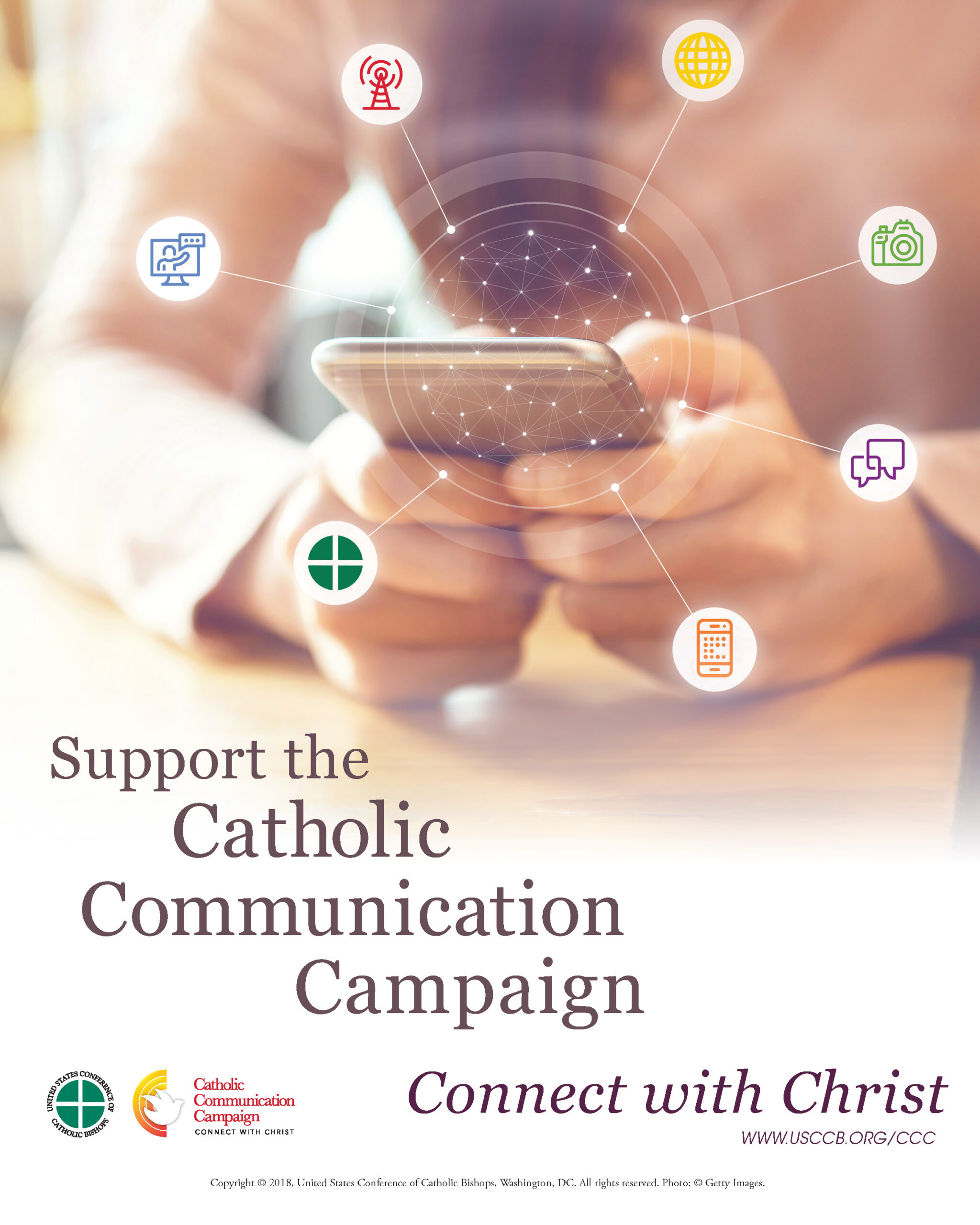
The modern church stands not merely as a bastion of faith but as a dynamic communicator of divine wonders, where miracles are not whispered in hushed tones but heralded across digital landscapes. In an era where information flows faster than ever, the Church’s ability to disseminate its message—especially the extraordinary—becomes a sacred duty. The Miracles Campaign Communication is not just a strategy; it is a lifeline that connects the faithful to the awe-inspiring, the inexplicable, and the transformative. It is the bridge between the seen and the unseen, the known and the miraculous.
The Digital Pulpit: Where Faith Meets the Algorithm
Gone are the days when miracles were confined to stained-glass windows or whispered in parish halls. Today, they are streamed live, shared in real-time, and dissected in online forums. The Church’s communication campaigns have evolved into a digital pulpit, where algorithms act as modern-day acolytes, amplifying the reach of divine interventions. This shift is not a surrender to technology but a strategic embrace—one that ensures no soul is left untouched by the wonder of the supernatural.
Consider the viral nature of a healing testimony shared on social media. Within hours, it traverses continents, igniting hope in hearts that had long forgotten its possibility. The Church’s role here is not passive; it is catalytic. By leveraging multimedia—videos, infographics, podcasts—it transforms abstract miracles into tangible experiences. The digital pulpit is not a replacement for the physical altar but an extension, a way to ensure that the sacred does not remain sequestered within four walls.
The Language of Wonder: Crafting Narratives That Resonate
Miracles demand a language as extraordinary as the events themselves. The Church’s communication campaigns must move beyond dry announcements and instead weave stories that grip the soul. This is where the art of narrative takes center stage. A well-told miracle is not a mere report; it is an odyssey—a journey from doubt to belief, from despair to joy. The most compelling campaigns do not just state facts; they evoke emotions, painting vivid imagery in the minds of listeners.
Imagine a campaign centered around a healing miracle. Instead of stating, “A man was healed of his ailment,” the narrative unfolds like a cinematic masterpiece: “The doctors had given up. The family had prayed for years. Then, on a Tuesday morning, as the first light of dawn crept through the hospital window, something inexplicable happened. The pain vanished. The scans, once dire, now bore no trace of the disease. In that moment, science bowed to the supernatural.” Such storytelling does not just inform—it transforms.
The Power of Testimony: Voices That Echo Through Time
There is an unparalleled potency in the voices of those who have witnessed miracles firsthand. Testimonies are the heartbeat of the Church’s communication strategy, for they carry the raw, unfiltered truth of divine intervention. When a person shares their story—whether in a sermon, a documentary, or a social media post—they become a living testament to God’s active presence in the world. These voices are not just heard; they are felt.
The Church must cultivate a culture where testimonies are not just collected but celebrated. Platforms like Miracle Mondays or Witness Wednesdays can become recurring features, where the faithful are invited to share their encounters with the divine. Each story is a thread in the grand tapestry of faith, weaving together a narrative that is both personal and universal. The more diverse these voices, the richer the tapestry becomes—reaching the elderly in rural parishes, the youth in urban centers, and the skeptics in digital forums alike.
From Silence to Symphony: The Role of Multimedia in Miracles
A miracle is a symphony of the senses—sight, sound, touch—but how often do we reduce it to a single note? The Church’s communication campaigns must harness the full orchestra of multimedia to convey the magnitude of divine wonders. A video of a paralyzed man taking his first steps is powerful, but a documentary that follows his journey from despair to hope, interspersed with interviews from his family and medical professionals, is transcendent.
Visual storytelling is particularly potent. A timelapse of a withered plant blooming overnight after prayer can symbolize resurrection. A before-and-after photo of a scarred face, healed in an instant, can shatter disbelief. Even audio—such as the recording of a sudden, inexplicable harmony during a moment of prayer—can evoke chills. The Church must invest in high-quality production, ensuring that every medium serves the miracle, not the other way around.
The Ripple Effect: How Miracles Inspire Collective Faith
Miracles are not solitary events; they are ripples that spread across communities, igniting a chain reaction of faith. When one person experiences the divine, their story becomes a catalyst for others. The Church’s communication campaigns must recognize this ripple effect and design strategies to amplify it. A single miracle can spark a thousand conversions, a thousand acts of charity, a thousand prayers offered in gratitude.
Consider the story of a community that, after witnessing a series of inexplicable healings, banded together to build a new parish. Or the skeptic who, after hearing a testimony, abandoned their cynicism and embraced faith. These are not isolated incidents but threads in a larger narrative of spiritual renewal. The Church’s role is to fan these flames, ensuring that the ripple effect becomes a tidal wave of divine intervention.
Navigating Skepticism: Bridging the Chasm Between Doubt and Belief
Not everyone will believe. Skepticism is a natural response to the extraordinary, and the Church’s communication campaigns must meet this challenge with wisdom, not defensiveness. The key lies in transparency. Instead of dismissing doubts, campaigns can address them head-on, presenting evidence without arrogance. Documentaries that explore the medical records of healings, interviews with scientists who have studied miracles, and open forums where questions are welcomed—these are the tools that can bridge the chasm between doubt and belief.
Moreover, the Church must avoid the trap of sensationalism. Miracles are not circus acts; they are sacred encounters. Campaigns that prioritize authenticity over spectacle will earn the trust of even the most hardened skeptics. The goal is not to overwhelm but to intrigue, to plant seeds of curiosity that may one day bloom into faith.
The Future of Miracles: A Communal Vision
The future of miracles lies not in isolation but in communion. The Church’s communication campaigns must evolve into a global network, where stories of divine intervention are shared instantaneously across borders. Imagine a world where a miracle in Manila is celebrated in Madrid, where a healing in Nairobi inspires prayer in New York. This is the vision—a digital communion of the faithful, united by the awe of the supernatural.
Technology will continue to advance, offering new ways to share miracles. Virtual reality could allow believers to “experience” a miracle firsthand. Augmented reality might overlay divine encounters onto everyday life, reminding the faithful of God’s presence. The Church must remain at the forefront of these innovations, ensuring that the language of miracles keeps pace with the times.
The Church’s mission is clear: to keep everyone informed, not just of its existence, but of its wonder. Miracles are not relics of the past; they are living, breathing testimonies of a God who still acts today. Through strategic communication, the Church can ensure that no soul is left in the dark, that every heart has the chance to witness—and believe.

