

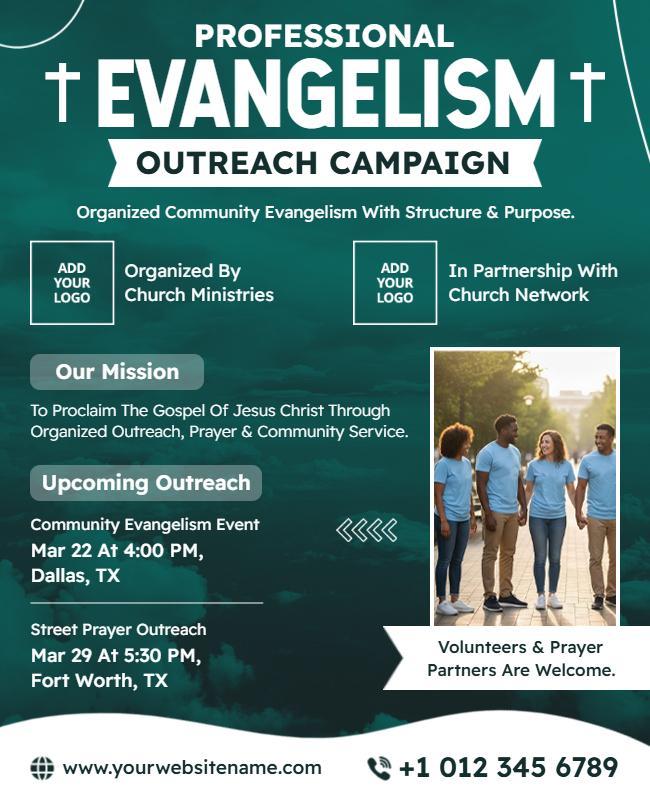
Imagine standing at the edge of a vast, untapped ocean of souls—each wave a soul yearning for meaning, connection, and divine purpose. Now, picture yourself not as a mere observer, but as the architect of a bridge that spans this divide, guiding those souls toward the shores of spiritual awakening. That bridge is your church’s evangelism campaign, a carefully crafted vessel designed to ferry hearts from curiosity to conviction, from apathy to ardor. But how do you build such a bridge? How do you transform a fleeting idea into a movement that echoes through generations? The answer lies not in grand gestures alone, but in the meticulous orchestration of strategy, empathy, and divine inspiration. Let’s embark on a journey to craft a church evangelism campaign plan that doesn’t just reach people—it reshapes destinies.
The Foundation: Clarifying Your Vision with Sacred Precision
Before you draft a single flyer or schedule a single event, pause and ask yourself: What is the heartbeat of this campaign? Is it to revitalize a dwindling congregation? To ignite a spark in a spiritually numb community? To plant seeds in uncharted spiritual soil? Your vision must be more than a lofty ideal—it must be a sacred compass, guiding every decision with unwavering clarity. Define your target audience with surgical precision: Are you reaching the disillusioned millennial, the skeptical Gen Z, or the spiritually curious but institutionally wary? Each demographic demands a different tone, a different medium, a different rhythm. A vision without precision is like a ship without a rudder—it may move, but it will never arrive at the intended shore.
Mapping the Terrain: Understanding the Spiritual Landscape
To navigate the spiritual terrain of your community, you must become a cartographer of souls. What are the prevailing worldviews, the cultural currents, the unspoken fears and longings that shape the hearts of those you seek to reach? Conduct surveys, host listening sessions, or engage in one-on-one conversations. The goal isn’t to impose your beliefs but to understand the landscape in which your message will take root. Are people hungry for authenticity? Do they crave community in an era of isolation? Are they searching for answers to existential questions that science and philosophy have left unanswered? The more intimately you know the terrain, the more effectively you can tailor your campaign to resonate deeply. Remember, evangelism is not about broadcasting a message—it’s about tuning into the frequency of a soul’s deepest questions.
The Art of the Hook: Crafting a Message That Pierces the Noise
In a world drowning in noise, your message must be a clarion call—a sound so distinct, so compelling, that it cuts through the static like a blade through silk. The hook isn’t just a catchy slogan; it’s the emotional and intellectual trigger that awakens curiosity. Ask yourself: What pain point does my message address? Is it the ache of loneliness? The search for purpose? The longing for transcendence? Your hook must be a mirror that reflects the audience’s deepest struggles back to them, followed by a promise: There is a way forward. For example, instead of a generic “Join us for Sunday service,” consider a message like, “What if your brokenness isn’t the end of your story, but the beginning of a revolution?” The hook must be specific, urgent, and laced with hope—because hope is the currency of the soul.
Channels of Transformation: Selecting the Right Platforms
Not all platforms are created equal, and not all souls are found in the same digital or physical spaces. The key is to meet people where they are—not where you wish they were. Social media is a powerful tool, but its effectiveness depends on the platform. Instagram thrives on visual storytelling, TikTok on raw authenticity, and Facebook on community-driven dialogue. For in-person engagement, consider pop-up prayer stations in public spaces, art exhibits that explore faith, or coffee shop conversations disguised as casual meetups. The goal is to create multiple touchpoints that cater to different learning styles and comfort levels. A multi-channel approach ensures that your message isn’t just seen—it’s experienced, felt, and remembered.
The Power of Story: Weaving Narratives That Transcend Data
Facts tell, but stories transform. In a world saturated with statistics and soundbites, the human heart still beats to the rhythm of a well-told tale. Your campaign must be a tapestry of stories—stories of redemption, of healing, of lives upended and rebuilt by faith. Feature testimonials from congregation members who’ve walked the path from doubt to devotion. Share the journey of a local business owner who found purpose in serving others. Highlight the transformation of a once-skeptical skeptic who now leads a small group. These stories aren’t just marketing tools; they are sacred invitations, beckoning others to imagine their own transformation. When people see themselves in the stories you tell, they begin to believe that their own redemption is possible.
Mobilizing the Body: Equipping Your Congregation as Ambassadors
A campaign isn’t a solo endeavor—it’s a communal symphony, where every member plays a vital role. Equip your congregation to become ambassadors of the message, not just passive recipients. Host training sessions on how to share their faith naturally in conversations. Provide them with shareable content—social media graphics, short video clips, or even conversation starters—that they can use in their daily lives. Encourage them to invite friends, neighbors, and coworkers to events, not out of obligation, but out of genuine excitement. When the body moves as one, the impact is exponential. Remember, evangelism isn’t a program—it’s a lifestyle, and your congregation is the living embodiment of that lifestyle.
The Rhythm of Follow-Up: Nurturing Seeds into Fruitful Lives
An evangelism campaign doesn’t end when the final event concludes. In fact, the real work begins in the quiet days that follow. The seeds you’ve planted must be nurtured with consistency and care. Implement a follow-up system that includes personalized emails, invitations to small groups, and check-ins from church leaders. Offer resources like devotionals, podcasts, or books that align with the themes of your campaign. The goal isn’t to pressure people into a decision but to walk alongside them as they explore faith at their own pace. Remember, spiritual growth is a marathon, not a sprint. The most effective campaigns are those that plant seeds and then tend to them with patience and perseverance.
Measuring What Matters: Beyond Attendance to Transformation
Numbers are important, but they aren’t the ultimate measure of success. A packed sanctuary doesn’t necessarily mean hearts are being changed. Instead, focus on qualitative metrics: Are people engaging in deeper conversations about faith? Are they serving in the community? Are they inviting others to join them? Track the stories of transformation, the quiet moments of conviction, the lives that are being reshaped. Use surveys to gauge the emotional and spiritual impact of your campaign. Celebrate not just the quantity of attendees, but the quality of their experiences. After all, the goal isn’t to fill seats—it’s to fill souls with purpose, hope, and divine love.
The Ripple Effect: Ensuring Your Campaign’s Legacy Endures
A truly transformative campaign doesn’t just create a moment—it sparks a movement. To ensure your efforts leave a lasting legacy, build structures that sustain momentum. Launch small groups that continue the conversations sparked during the campaign. Create mentorship programs where new believers are paired with seasoned disciples. Develop a discipleship pathway that guides people from curiosity to maturity in faith. The most powerful campaigns are those that don’t just end with a whimper, but with a chorus of voices declaring, “This is only the beginning.” When your campaign becomes a catalyst for ongoing transformation, you’ve done more than reach people—you’ve equipped them to become agents of change in their own right.

