

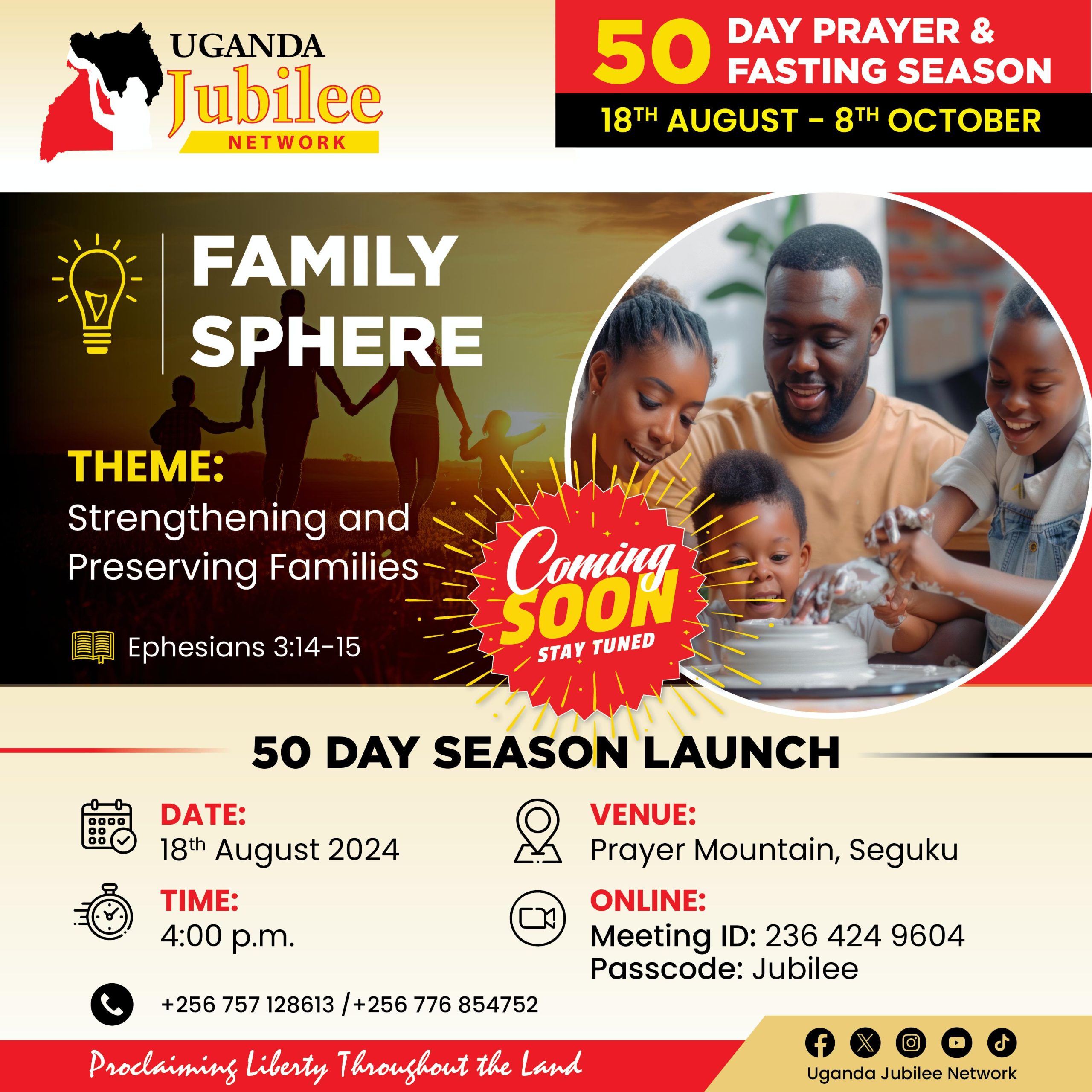
Have you ever found yourself in the middle of a spiritual fast, only to realize you’ve missed a crucial update from your church? The hum of daily life can drown out even the most urgent spiritual calls—like a choir singing off-key in a cathedral of silence. Keeping the congregation informed during a fasting campaign isn’t just about sending messages; it’s about crafting a rhythm of communication that resonates, uplifts, and unites. How do churches strike that delicate balance between inspiration and information without turning announcements into white noise?
The Art of Communicating Urgency Without Overwhelming the Soul
Fasting campaigns are seasons of heightened spiritual intensity, where every moment feels like a heartbeat counting down to breakthrough. Yet, the challenge lies in delivering timely updates without suffocating the spirit of the fast. Churches must become maestros of moderation—conducting a symphony of messages that don’t crescendo into chaos. The key? Strategic timing and curated content. Instead of bombarding congregants with daily emails or social media blasts, consider a staggered approach: a weekly digest of spiritual reflections paired with essential logistical updates. This way, the soul remains nourished while the mind stays informed.
Think of it as a spiritual buffet—small, thoughtfully prepared portions rather than an all-you-can-eat buffet that leaves everyone bloated and unsatisfied. A well-timed midweek encouragement, a pre-dawn prayer reminder, or a weekend recap can keep the momentum without overwhelming. The goal isn’t to shout into the void but to whisper into the hearts of those who are listening.
Leveraging Multi-Channel Storytelling for Maximum Impact
In today’s digital age, a single platform is like a lone candle in a vast cathedral—it illuminates, but not enough to guide everyone. Churches must embrace a multi-channel approach, weaving together the tactile warmth of in-person announcements with the reach of digital platforms. Imagine a Sunday service where the pastor shares a vision for the fast, followed by a text message with a scripture verse midweek, and a social media story highlighting a member’s testimony by Friday. Each touchpoint reinforces the campaign’s purpose while catering to different communication preferences.
But here’s the twist: not all channels are created equal. A church’s website might serve as the central hub for resources, while WhatsApp groups foster intimate accountability circles. Email newsletters can provide depth, whereas Instagram Reels offer quick bursts of inspiration. The challenge? Ensuring consistency across these channels without making the campaign feel like a fragmented mosaic. The solution lies in a unified narrative—one that flows seamlessly from the pulpit to the smartphone, from the bulletin board to the group chat.
Turning Logistics into a Spiritual Journey
Let’s face it: fasting campaigns come with a laundry list of logistical details—meeting times, prayer points, fasting schedules, and more. But what if these details weren’t just bullet points on a page but stepping stones on a spiritual path? Instead of treating logistics as administrative chores, reframe them as sacred signposts guiding the congregation toward their breakthrough. A well-crafted communication plan doesn’t just list events; it tells a story of how each gathering, each fast, and each prayer is a thread in a larger tapestry of transformation.
For example, instead of sending a dry email that reads, “Join us for the 6 AM prayer meeting,” try: “As the first light of dawn breaks, imagine the heavens opening as we gather to seek God’s face together. Will you be there?” The difference is subtle but profound—one is a directive, the other an invitation to a divine rendezvous. When logistics become part of the narrative, they cease to be burdensome and instead become part of the journey.
The Silent Epidemic: Information Fatigue in Spiritual Spaces
There’s a quiet crisis brewing in many churches today: information fatigue. Congregants are bombarded with so many updates, reminders, and announcements that they either tune out entirely or suffer from decision paralysis. How do you cut through the noise without adding to it? The answer lies in intentional curation. Not every update needs to be sent to everyone. Segment your communication based on relevance—newcomers might need basic information, while seasoned members crave deeper insights. Use surveys or feedback forms to gauge what’s truly helpful versus what’s just clutter.
Another tactic? The power of silence. Sometimes, the most profound communication is the absence of noise. A well-placed pause—a week without updates—can create anticipation and reset the congregation’s focus. Think of it as a spiritual Sabbath for the mind, where the absence of messages becomes a message in itself: “Rest. Reflect. Reconnect.”
From Broadcast to Conversation: The Power of Two-Way Communication
Too often, church communication feels like a monologue—a one-way street where the pulpit speaks, and the pews listen. But what if communication during a fasting campaign became a dialogue? Encourage congregants to share their experiences, ask questions, and even suggest topics for future updates. Platforms like social media polls, live Q&A sessions, or even a dedicated hashtag for testimonies can transform passive recipients into active participants.
This shift from broadcast to conversation does more than keep people engaged; it fosters a sense of ownership. When congregants feel heard, they’re more likely to stay invested. Imagine a WhatsApp group where members share their fasting struggles and victories in real time, or a Facebook Live where the pastor responds to live comments. Suddenly, the campaign isn’t just something happening to them—it’s something they’re shaping together.
Measuring What Matters: The Metrics of Spiritual Engagement
In a world obsessed with analytics, how do you measure the success of a church’s communication strategy? Is it the number of email opens? The likes on a social media post? Or is it something deeper—the quiet stirrings of a heart that’s been stirred to pray? While data can provide valuable insights, it’s essential to pair quantitative metrics with qualitative ones. Are congregants arriving early for prayer meetings? Are they sharing testimonies of breakthroughs? Are they inviting others to join? These are the true indicators of a campaign’s impact.
Churches might also consider tracking engagement over time. Are certain types of messages resonating more than others? Is there a drop-off in participation after a certain point? Use these insights to refine the strategy, but always with the caveat that numbers alone don’t tell the full story. The goal isn’t to chase metrics but to cultivate a culture of connection and purpose.
The Ripple Effect: How Informed Communities Multiply Impact
When a church communicates effectively during a fasting campaign, the effects extend far beyond the four walls of the sanctuary. Informed congregants become ambassadors, sharing updates with friends, family, and neighbors who might not otherwise engage. A single well-crafted message can spark a chain reaction of spiritual awakening. The challenge, then, is to create content that’s not just informative but infectious—messages so compelling that they beg to be shared.
Consider the power of a personal story. A testimony from a member about how a fasting breakthrough changed their life is infinitely more persuasive than a generic announcement. When communication becomes storytelling, it transcends the mundane and taps into the universal human desire for meaning and connection. The result? A community that’s not just informed but inspired, not just updated but united.

