

In an era where digital noise drowns out even the most sacred messages, churches face a unique challenge: how to cut through the clutter and ensure their congregation remains not just informed, but truly connected. Communication within a faith community is more than a logistical necessity—it’s the lifeblood of spiritual unity, the bridge between pulpit and pew, and the compass guiding believers through life’s storms. Yet, the tools and tactics used to disseminate information can either amplify the message or muffle it entirely. The right strategies transform passive listeners into engaged participants, while outdated methods leave messages buried under a mountain of unread emails and forgotten bulletins. Whether it’s sharing a last-minute prayer request, announcing a community outreach event, or celebrating a milestone in a member’s spiritual journey, the way information is delivered shapes the very fabric of church life. This isn’t just about keeping people in the loop—it’s about fostering a culture where every voice matters, every heart is stirred, and no one feels left behind in the journey of faith.
The Power of Visual Storytelling: Crafting Compelling Graphics and Infographics
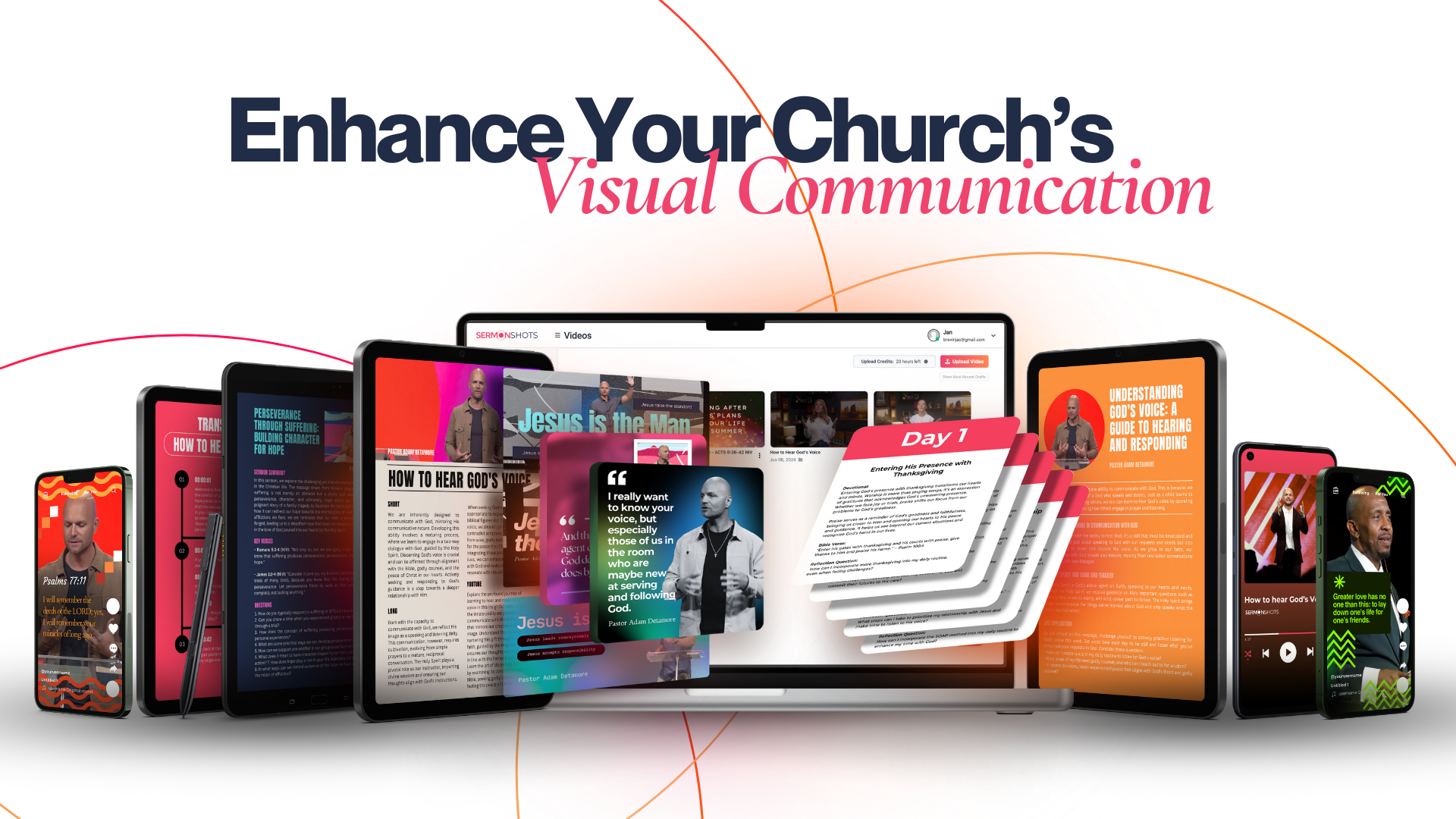
Words alone often struggle to capture the urgency or beauty of a moment—enter the silent yet potent language of visuals. In a world where attention spans flicker like candle flames, a well-designed graphic can convey the essence of a sermon series in a single glance. Infographics distill complex theological concepts into digestible, shareable nuggets, while custom illustrations can evoke emotions that a paragraph of text might miss entirely. Consider the impact of a vibrant, minimalist poster announcing an upcoming revival: its bold typography and striking imagery don’t just inform—they invite, they inspire, they beckon. Churches that harness the art of visual storytelling find their messages not just seen, but remembered. These tools aren’t reserved for megachurches with professional designers; even simple, thoughtfully crafted Canva templates or hand-drawn sketches can bridge the gap between obscurity and impact. The key lies in consistency—establishing a visual identity that feels familiar, trustworthy, and undeniably *yours*. When every social media post, bulletin insert, and hallway banner sings the same visual hymn, the message resonates deeper, and the community feels more united.
Dynamic Digital Platforms: Leveraging Social Media and Church Apps
Social media isn’t just a distraction—it’s a digital town square where the church’s presence can either thrive or wither. Platforms like Instagram and Facebook aren’t merely channels for announcements; they’re stages for storytelling, where a 15-second Reel can capture the raw emotion of a mission trip or a Facebook Live can extend the reach of a Sunday sermon to those unable to attend. The most effective churches treat these platforms as living, breathing extensions of their ministry, posting not just when they must, but when the Spirit moves them. Meanwhile, dedicated church apps serve as a centralized hub, where members can access sermon archives, submit prayer requests, or even sign up for volunteer opportunities with a single tap. These tools eliminate the friction of outdated communication methods—no more lost bulletins or forgotten emails—replacing them with instant, interactive engagement. The challenge, however, lies in balance: avoiding the trap of over-posting while ensuring that no critical update goes unnoticed. The solution? Strategic timing, varied content (from behind-the-scenes glimpses to live Q&A sessions), and a commitment to authenticity over perfection. When digital platforms become spaces of warmth and accessibility, they stop feeling like obligations and start feeling like home.
Multimedia Sermons: Audio, Video, and Podcasts for On-Demand Engagement
The sermon doesn’t end when the final “amen” is spoken—it lingers, it transforms, it challenges. Yet, for many, the opportunity to revisit a message is lost in the busyness of life. Enter multimedia sermons: the audio recordings that accompany commutes, the video clips that bring Sunday’s teaching into weekday conversations, and the podcasts that turn theological reflections into companions for morning walks or evening chores. These tools democratize access to spiritual nourishment, ensuring that no one misses out because of scheduling conflicts or physical limitations. Advanced churches go further, incorporating interactive elements like discussion guides or timestamped notes to deepen engagement. The beauty of this approach lies in its scalability—whether a member listens to a 30-minute sermon on their lunch break or a busy parent streams a 10-minute devotional during naptime, the message adapts to their rhythm. The key to success? Quality without pretension. A well-lit, clear audio recording of a heartfelt message often resonates more than a polished but sterile production. When sermons become accessible, they cease to be events and instead become ongoing conversations.
Interactive and Participatory Content: Polls, Surveys, and Live Q&A Sessions
Communication isn’t a monologue—it’s a dialogue, a dance between speaker and listener. Churches that embrace interactive content invite their congregation into the co-creation of ministry, transforming passive recipients into active participants. Imagine a midweek poll asking members to vote on the next sermon series topic, or a live Instagram Q&A where the pastor fields real-time questions about faith and doubt. These tools do more than gather data; they foster ownership, making people feel seen and heard. Surveys can uncover unmet needs—perhaps a growing desire for parenting resources or a hunger for deeper biblical studies—while live sessions bridge the gap between pulpit and pew, humanizing leadership and demystifying theology. The fear of “losing control” of the narrative is real, but the reward—a community that feels truly *involved*—far outweighs the risk. The most transformative churches don’t just broadcast; they listen, adapt, and respond, creating a feedback loop where communication becomes a two-way street paved with trust.
Printed Materials with a Purpose: Bulletins, Newsletters, and Event Guides
In an increasingly digital world, the tactile nature of printed materials offers a refreshing counterbalance—a tangible reminder that the church’s presence is as real as the paper in one’s hands. A well-designed bulletin isn’t just a schedule; it’s a roadmap for the week ahead, a canvas for celebrating milestones, and a space for sharing personal testimonies. Newsletters, whether monthly or seasonal, can weave together stories of impact, upcoming opportunities, and devotional reflections into a cohesive narrative that strengthens communal bonds. Event guides, meanwhile, transform abstract ideas into concrete invitations—highlighting not just *what* is happening, but *why* it matters. The secret to making printed materials effective lies in their intentionality: every word, every image, every blank space should serve a purpose. Avoid clutter. Prioritize clarity. And above all, infuse each piece with warmth—because a bulletin that feels like a chore to read is a missed opportunity to inspire.
Personalized Communication: Text Messages, Emails, and Direct Outreach
There’s a profound difference between a message that feels like a broadcast and one that feels like a whisper meant only for you. Personalized communication—whether through targeted text alerts, segmented email lists, or handwritten notes—elevates the mundane into the meaningful. A text reminder about a Wednesday night Bible study might include a specific verse that resonates with the recipient’s current season, while an email to new members could share a story of how others found their place in the community. The technology behind this approach is simple (automated yet thoughtful), but the impact is profound. It says, “We see you. We know you. You matter.” The key is to use personalization judiciously—avoiding the creepy overtones of data mining while ensuring that no communication feels generic. When done right, these touchpoints transform routine updates into sacred moments of connection.
Community-Centric Storytelling: Highlighting Member Testimonies and Impact Stories
The most compelling narratives aren’t those crafted by professionals—they’re the raw, unfiltered stories of ordinary people whose lives have been transformed by faith. A single testimony about a marriage restored, a prodigal son returned, or a community transformed by service can stir hearts in ways a sermon never could. Churches that prioritize storytelling as a form of communication don’t just share updates; they celebrate the living proof of the Gospel in action. These stories can take many forms: a video interview with a volunteer, a written feature in a newsletter, or even a social media series where members share “where they’ve seen God this week.” The goal isn’t perfection—it’s authenticity. When the congregation sees their own stories reflected back at them, the church stops feeling like an institution and starts feeling like a family.
Strategic Planning: Creating a Communication Calendar for Consistency and Clarity
Without a roadmap, even the most passionate communication efforts can devolve into chaos—a flurry of last-minute posts, forgotten announcements, and missed opportunities. A communication calendar is the unsung hero of effective church outreach, providing structure without stifling spontaneity. It’s not a rigid schedule, but a living document that aligns content with the church’s rhythms: sermon series themes, seasonal events, and even cultural moments (like Advent or Lent). By mapping out key messages in advance, leaders can ensure that every announcement, graphic, and social media post serves a purpose. The calendar also prevents burnout, allowing teams to batch-create content and avoid the scramble of last-minute requests. The result? A cohesive, intentional flow of information that keeps the congregation informed, engaged, and—most importantly—connected to the heartbeat of the church.

