

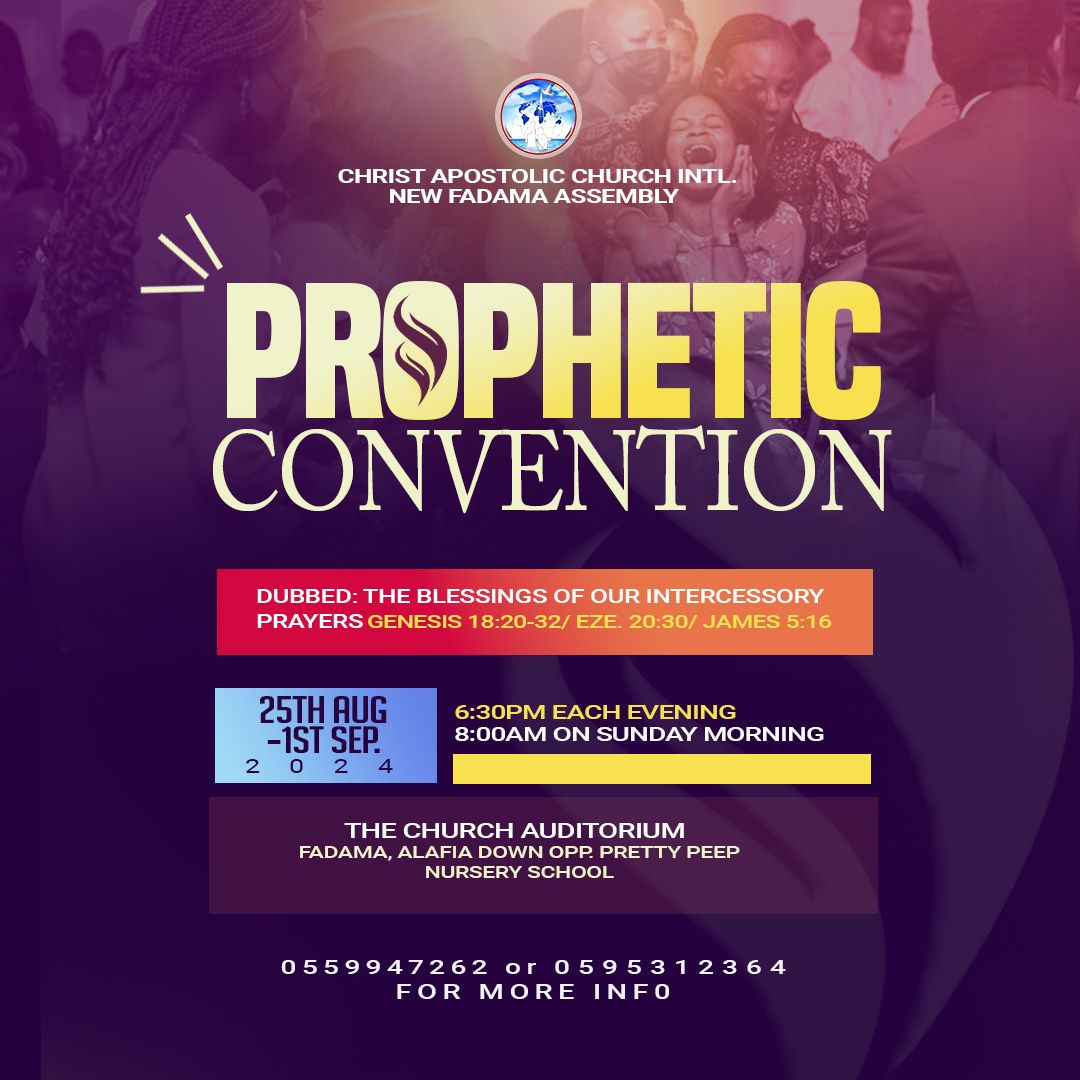
What if your church could become a beacon of prophetic revelation, drawing seekers and believers alike into a divine encounter that transcends the ordinary? Imagine transforming your congregation’s spiritual atmosphere with a campaign that doesn’t just speak about prophecy—it *embodies* it. A well-crafted prophecy campaign isn’t just an event; it’s a movement, a spiritual awakening that leaves an indelible mark on hearts and minds. But launching such a campaign isn’t as simple as dusting off an old playbook. It demands strategy, creativity, and a touch of audacity. So, how do you ignite this prophetic fire without getting burned by the challenges that lurk in the shadows? Let’s dive into the art of launching a church prophecy campaign that doesn’t just whisper—it roars.
The Foundation: Clarity in Vision and Purpose
Before you unleash a prophecy campaign, you must first ask yourself: *What is the heartbeat behind this endeavor?* Is it to edify the body of Christ, to awaken dormant gifts, or to draw in the unchurched with a tangible experience of God’s voice? Clarity in vision is the bedrock upon which every successful campaign is built. Without it, your efforts risk becoming a scattered assortment of events rather than a cohesive spiritual awakening.
Start by defining your core objectives. Will this campaign focus on personal prophecy, corporate prophetic declarations, or a blend of both? Will it include training sessions for believers to grow in their prophetic gifts? The answers to these questions will shape every decision—from the content of your flyers to the structure of your gatherings. A campaign without purpose is like a ship without a rudder; it may move, but it won’t reach its intended destination.
Crafting the Narrative: Storytelling That Captivates
People don’t just want information—they crave transformation. Your prophecy campaign must tell a story, one that pulls listeners into a narrative where God’s voice is not just heard but *felt*. Begin by sharing testimonies of how prophecy has changed lives. Was there a moment when someone received a word that altered their destiny? A word that healed a broken marriage, guided a career shift, or revealed a hidden truth? These stories are the fuel that ignites curiosity and faith.
But storytelling alone isn’t enough. You must weave in a sense of urgency. Why now? What makes this campaign different from past efforts? Perhaps it’s the alignment of prophetic seasons, the convergence of spiritual gifts, or the pressing need for divine direction in a chaotic world. When people sense that this isn’t just another event but a *kairos moment*, they’ll show up with hearts ready to receive.
Designing the Experience: More Than Just Words
A prophecy campaign isn’t a lecture—it’s an *experience*. The environment you create should feel like stepping into a sacred space where heaven and earth collide. Think beyond traditional church settings. Could you host a prophetic art night where creativity becomes a vessel for revelation? Or a prophetic prayer walk where participants receive words as they move through designated stations? The key is to engage multiple senses—sight, sound, touch—so that the message isn’t just intellectual but visceral.
Consider the power of symbolism. Use visuals that evoke mystery and reverence, like flickering candles, flowing fabrics, or projected imagery of ancient biblical scenes. The goal is to transport people from the mundane into the realm of the supernatural. And don’t forget the power of music. A well-chosen worship set can soften hearts, creating an atmosphere where prophecy flows freely.
The Challenge: Balancing Prophecy with Discernment
Here’s where things get tricky. Prophecy, by its very nature, is subjective. One person’s “Thus saith the Lord” can be another’s misguided enthusiasm. How do you ensure that your campaign doesn’t become a free-for-all of unchecked declarations? The answer lies in *discernment*. Establish clear guidelines for prophecy within your campaign. Who will weigh the words? Will there be a prophetic oversight team? How will you handle words that seem off-base or potentially harmful?
This isn’t about stifling the Holy Spirit—it’s about stewarding the gift with wisdom. A campaign that lacks discernment risks damaging trust and credibility. People need to know that while God speaks, He also expects us to sift through the words with care. Provide training for those operating in the prophetic gift, emphasizing the importance of humility, accountability, and alignment with Scripture. After all, the goal isn’t just to hear from God—it’s to hear from God *correctly*.
Mobilizing the Body: Equipping and Empowering
A prophecy campaign shouldn’t be a one-time spectacle. It should be a catalyst for lasting change. To achieve this, you must mobilize your congregation to step into their prophetic gifts. Host workshops where believers learn to hear God’s voice, recognize His patterns, and deliver words with confidence. Teach them the difference between prophecy and personal opinions, between a word of encouragement and a word of correction.
But equipping isn’t enough—you must also empower. Create opportunities for people to practice what they’ve learned. Set up prophetic booths after services where individuals can receive words. Organize small groups focused on prophetic intercession. The more people engage, the more they’ll grow. And as they grow, the impact of your campaign will ripple outward, touching lives beyond your church walls.
The Follow-Up: From Campaign to Lifestyle
Many churches launch prophetic campaigns with great fanfare, only to see the momentum fizzle out weeks later. The secret to longevity? Follow-up. The end of the campaign shouldn’t mark the end of the journey—it should mark the beginning. How will you sustain the prophetic culture you’ve ignited? Start by creating a prophetic community within your church. This could be a dedicated group that meets regularly to pray, share words, and encourage one another.
Consider launching a prophetic newsletter or podcast where you share testimonies, teaching, and updates on how the words received are coming to pass. Encourage people to journal their prophetic experiences, creating a record of God’s faithfulness. And don’t forget the power of social media. Share snippets of prophetic encounters, behind-the-scenes moments, and calls to action. The goal is to keep the fire burning long after the campaign ends.
Measuring Success: Beyond Numbers and Into Impact
Finally, how do you know if your prophecy campaign was a success? Is it the number of attendees? The social media shares? The buzz in the community? While these metrics matter, they’re not the ultimate measure. True success is seen in transformed lives. Did someone’s marriage get restored? Did a believer step into a new level of faith? Did the unchurched encounter God in a way they never had before?
Gather testimonies. Celebrate breakthroughs. And be honest about the challenges. Not every word will come to pass as expected. Not every heart will respond the same way. But if even one life is changed, if even one person hears God’s voice clearly for the first time, then your campaign has achieved its purpose. The rest is just details.

