

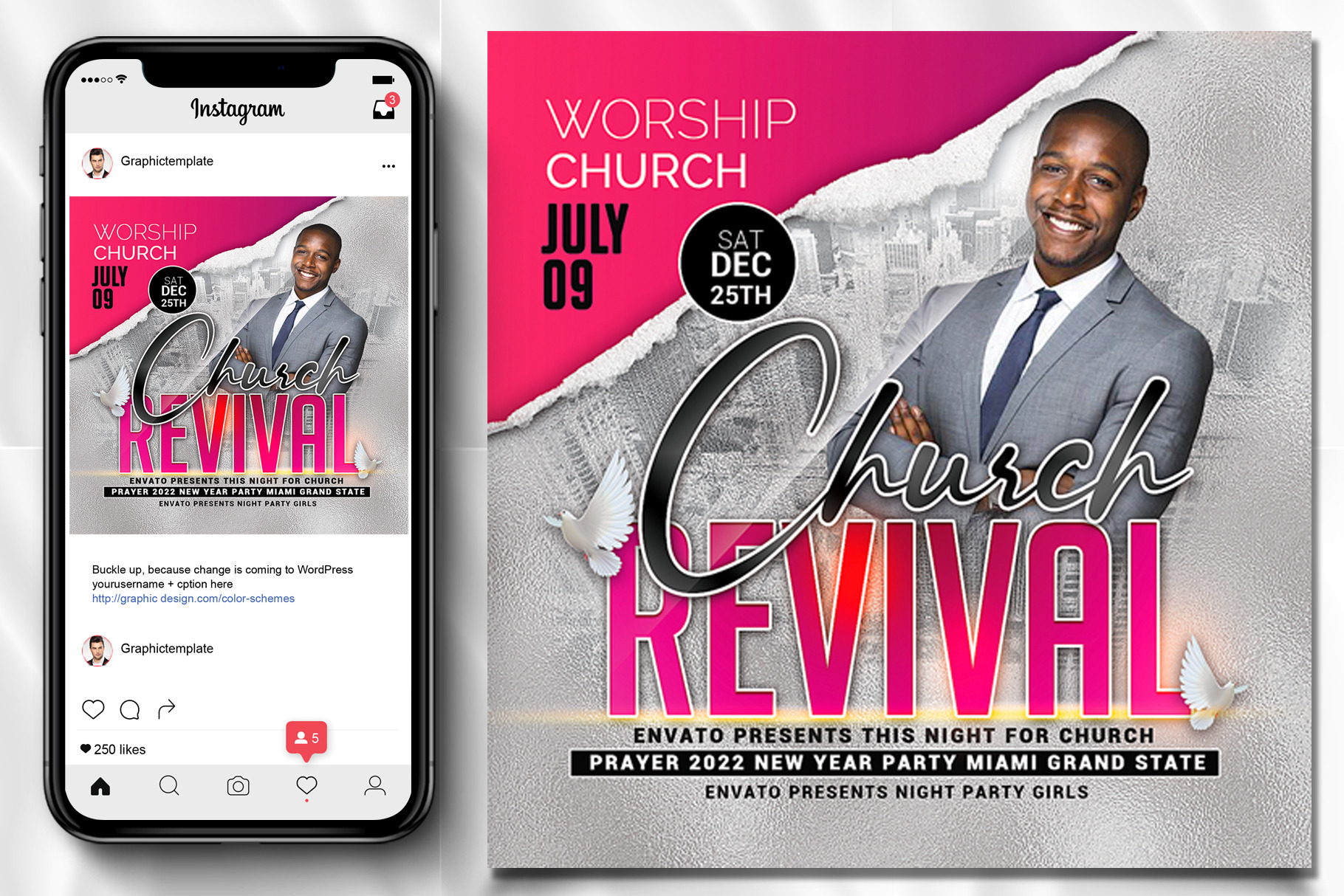
Imagine a spark in the dark—a flicker so faint it could be mistaken for a dying ember, yet potent enough to ignite a wildfire of transformation. That spark is the heart of a church revival campaign, a divine conflagration meant to rekindle faith, rekindle purpose, and rekindle community. But how does one fan such a spark into a blaze that warms the soul and illuminates the path forward? Launching a church revival campaign is not merely about planning events; it’s about orchestrating a symphony of hope, strategy, and spiritual awakening. It demands more than logistics—it requires a vision that stirs the spirit and tactics that resonate with the soul. Let’s embark on this journey together, exploring the art and science of breathing new life into a congregation’s mission.
The Sacred Spark: Defining the Vision of Revival
Every revival begins not with a strategy, but with a vision—a sacred spark that illuminates the path forward. This vision is not a fleeting idea but a divine calling, a whisper in the stillness that grows into a thunderous roar. It is the difference between a gathering and a movement, between attendance and transformation. To define this vision, ask not what your church can do, but what God desires to accomplish through it. Is the revival about rekindling dwindling faith? Bridging generational divides? Reaching the lost with the gospel’s transformative power? The vision must be clear, compelling, and contagious—a beacon that draws people from the shadows into the light. It should resonate with the deepest longings of the human heart: belonging, purpose, and redemption. Without this vision, even the most meticulously planned campaign will lack the gravitational pull to unite and inspire.
Mapping the Terrain: Understanding Your Congregation and Community
Before lighting the torch, one must know the landscape. A revival campaign cannot thrive in a vacuum; it must be rooted in the soil of its people and the terrain of its community. Who are the spiritual seekers in your midst? What are the unmet needs, the silent cries, the unspoken questions that linger in the pews and beyond? Conducting a thorough assessment—through surveys, conversations, and prayer—reveals the contours of your congregation’s heart. Are they weary from battles? Hungry for deeper connection? Thirsty for truth? Equally important is understanding the community outside the church walls. What are the cultural currents shaping their lives? What barriers stand between them and the message of hope you carry? This dual awareness transforms a campaign from a generic event into a tailored encounter with the divine, where every word and action speaks directly to the soul’s deepest yearnings.
The terrain is not static. It shifts with time, technology, and the tides of culture. A revival that resonates today may fall flat tomorrow if it fails to adapt. Stay attuned to the whispers of change, the emerging trends, and the evolving language of faith. The goal is not to chase trends but to speak in a voice that feels both timeless and timely—a voice that says, “We see you. We understand. And we’re here to walk with you.”
The Power of Story: Crafting a Narrative That Transforms
Humans are storytelling creatures. We are wired to connect through narrative, to find meaning in the arc of a life, the struggle of a hero, the triumph of redemption. A revival campaign must harness this power, weaving a tapestry of stories that captivate, convict, and convert. Begin with the story of your church—its origins, its struggles, its victories. Let the walls of the sanctuary echo with the testimonies of those who have walked the path before. But don’t stop there. Invite the congregation to share their own stories of faith, doubt, and renewal. These narratives are not merely anecdotes; they are the living proof of God’s work in your midst. They dismantle skepticism and ignite hope.
Beyond personal stories, craft a larger narrative for the campaign itself. Frame it not as a series of events, but as a pilgrimage—a journey from darkness to light, from stagnation to renewal. Use metaphors that resonate: a river carving new paths through rock, a seed breaking through concrete, a lighthouse piercing the fog of uncertainty. These images do more than decorate; they embed the campaign in the collective imagination, making it unforgettable. When people see themselves as characters in this story, they become participants, not spectators. They don’t just attend; they engage. They don’t just listen; they respond.
Designing the Encounter: Creating Moments That Stir the Soul
A revival campaign is not a lecture hall but a sanctuary of encounters. Every element—from the music to the message, from the décor to the dialogue—should be designed to create moments where the divine intersects with the human. Music, for instance, is not background noise but a spiritual catalyst. Choose songs that resonate with the emotional and spiritual climate of your congregation. Let the lyrics be prayers set to melody, lifting hearts from heaviness to hope. The message, too, must be more than information; it must be an invitation. Preach not to inform, but to transform. Use storytelling, questions, and silence to create space for the Holy Spirit to move.
The physical space matters as well. Transform your sanctuary into a canvas of inspiration. Use lighting, colors, and symbols that evoke reverence and awe. Incorporate elements of nature—flowers, water, fire—to ground the experience in the tangible world while pointing to the eternal. Even the smallest details, like the scent of fresh coffee in the foyer or the warmth of a handshake at the door, can create an atmosphere of welcome and belonging. These are not superficial touches; they are sacred gestures that say, “You are seen. You are valued. You belong here.”
Igniting the Flame: Mobilizing the Congregation as Ambassadors
A revival campaign cannot be a spectator sport. It requires every member of the congregation to step into their role as an ambassador of hope. This begins with equipping them—not just with information, but with inspiration. Train them to share their stories, to invite others, and to pray with boldness. Provide them with tools: conversation starters, social media graphics, and prayer guides. But beyond tools, give them a vision of their own power to change lives. Remind them that revival is not a top-down phenomenon but a communal awakening, where each person’s faith fuels the fire of the whole.
Mobilization also means breaking down the walls between the church and the community. Encourage your congregation to serve beyond the sanctuary—feeding the hungry, mentoring the lost, listening to the lonely. These acts of love are not distractions from the revival; they are the very essence of it. When the community sees the church not as a building but as a movement of compassion, they are drawn to the message it carries. The revival becomes not just an event, but a lifestyle—a way of living that reflects the heart of God.
The Long Game: Sustaining Momentum Beyond the Campaign
A revival campaign is not a sprint but a marathon. The true test of its success lies not in the number of attendees on opening night, but in the depth of transformation that lingers long after the final amen. To sustain momentum, build structures that nurture ongoing growth. Launch small groups where people can wrestle with faith in community. Create mentorship programs that pair seekers with believers. Develop discipleship pathways that guide people from curiosity to commitment. These are not add-ons; they are the lifeblood of revival, ensuring that the spark does not flicker out but grows into an enduring flame.
Equally important is the art of celebration. Recognize and honor the milestones along the way—the first convert, the first act of service, the first answered prayer. These celebrations are not just rewards; they are fuel. They remind the congregation that God is at work, and their participation matters. They also create a culture of expectancy, where people look forward to what God will do next. In this way, the revival campaign becomes not an endpoint, but a launching pad—a springboard into a future brimming with possibility.
Conclusion: The Fire That Never Dies
A church revival campaign is more than a series of events; it is a sacred symphony where every note, every pause, every crescendo is orchestrated by the divine. It is a call to awaken, to engage, and to transform—not just for a season, but for a lifetime. When done with intentionality and passion, it becomes a beacon that pierces the darkness, a river that carves new paths, and a fire that never dies. The journey is not easy. It demands courage, creativity, and a willingness to step into the unknown. But the reward—a congregation alive with purpose, a community transformed by love, and a world touched by the light of Christ—is worth every step. So light the torch. Let the revival begin.

