

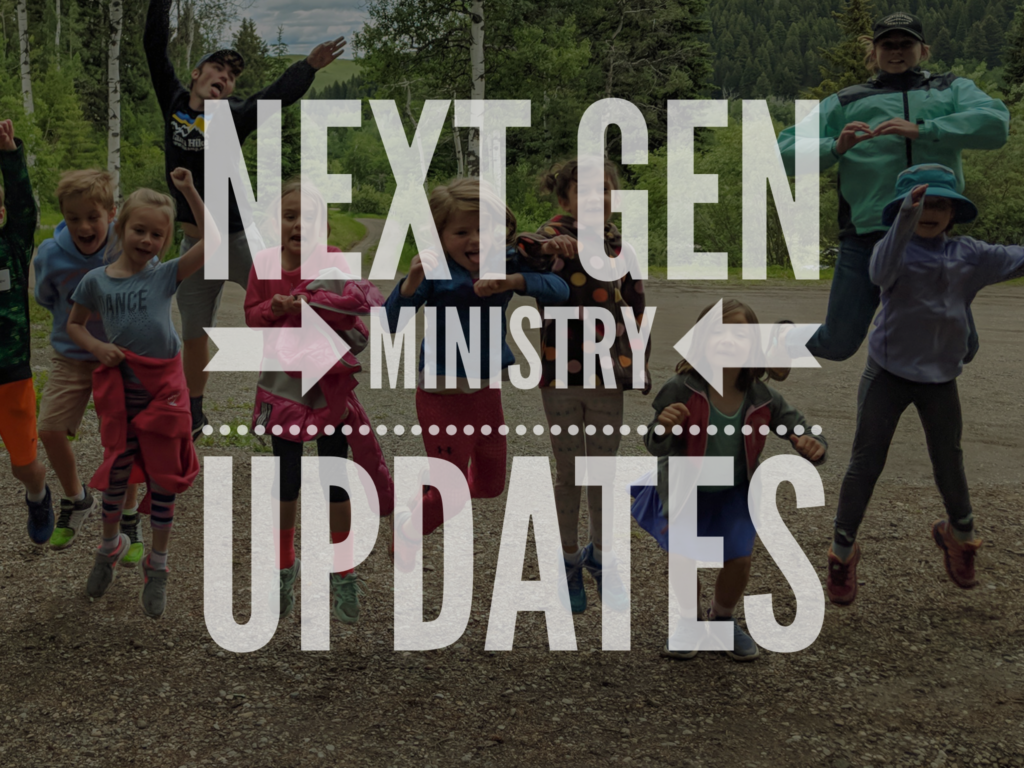
In the grand tapestry of faith, few threads are as vibrant—or as vital—as the ones woven by the next generation. The church today stands at a crossroads, where ancient truths meet modern minds, and where the timeless message of hope must resonate with the restless pulse of youth. This is not merely a challenge; it is an invitation to reimagine ministry, to craft a space where curiosity meets conviction, and where the sacred and the contemporary dance in harmony. Blogs for next-gen ministry are not just digital pages; they are bridges, lighthouses, and sometimes even mirrors—reflecting the faces of those who are stepping into a world hungry for meaning.
The Digital Campfire: Where Faith Meets Fireflies
Imagine a campfire on a crisp autumn night, its embers glowing like scattered stars. Around it, stories are told—not just of heroes and villains, but of struggles and triumphs, doubts and revelations. This is the essence of a blog for next-gen ministry: a digital campfire where young hearts gather, not to escape the world, but to engage with it through the lens of faith. Unlike the static sermons of old, these blogs pulse with the rhythm of real life. They are unfiltered, unpolished, and unafraid to ask the hard questions. Why does God allow suffering? How do I reconcile science with scripture? What does it mean to follow Jesus in a world that often feels like a minefield of distractions?
These questions are not obstacles; they are the very soil in which faith can grow. A well-crafted blog becomes a sanctuary where doubt is not dismissed but explored, where questions are not silenced but celebrated. It is here that the next generation learns that faith is not a fragile glass ornament to be kept under lock and key, but a living, breathing flame that can withstand the winds of skepticism.
The Alchemy of Authenticity: Turning Doubt into Gold
There is a myth that faith must be pristine, untouched by the grime of the world. But the truth is far more compelling: faith is not weakened by honesty; it is strengthened by it. The most compelling next-gen ministry blogs are those that embrace the messy, the raw, the real. They are not afraid to feature a young person’s journey from rebellion to redemption, or a pastor’s struggle with burnout, or a student’s wrestling with identity. These stories are not just narratives; they are alchemical processes, where doubt is transmuted into gold.
Consider the young woman who writes about her battle with anxiety and how scripture became her anchor. Or the college student who shares his journey from atheism to faith, not through a dramatic conversion moment, but through a series of quiet, persistent whispers. These are not just blog posts; they are lifelines. They remind the next generation that they are not alone in their struggles, and that their questions are not barriers to faith but pathways to deeper understanding.
The Language of the Unseen: Crafting Words That Echo
Language is a powerful force. It can build empires or shatter them. In the realm of next-gen ministry, the words we choose must resonate with the cadence of a generation that speaks in memes, TikTok trends, and cryptic captions. But here’s the paradox: while the medium may change, the message must remain timeless. The challenge is to speak in a language that feels native to the audience without diluting the depth of the gospel.
This is where metaphor becomes a ministry tool. Instead of saying, “Jesus is the way,” a blog might paint a picture: “Imagine standing at the edge of a vast, stormy ocean, waves crashing against the rocks. Jesus is not just a path through the storm; He is the lighthouse, steady and unshakable, guiding you home.” Metaphors do not simplify the message; they illuminate it. They take abstract truths and make them tangible, turning theological concepts into stories that stick.
Moreover, the tone must be conversational, even intimate. A next-gen ministry blog is not a lecture hall; it is a coffee shop where ideas are exchanged over steaming mugs. It is a podcast where voices are heard, not just preached at. The best blogs feel like a conversation with a wise friend—someone who listens as much as they speak.
The Digital Exodus: Navigating the Wilderness of the Web
The internet is a wilderness—a vast, untamed expanse where truth and deception, wisdom and folly, all vie for attention. For a young person seeking spiritual guidance, the noise can be overwhelming. A next-gen ministry blog must be a compass in this wilderness, a beacon that cuts through the fog of misinformation and distraction. But how?
First, it must be accessible. This means mobile-friendly design, bite-sized content, and a presence on platforms where young people already spend their time—Instagram, YouTube, TikTok. It means using visuals that captivate, from infographics that break down complex doctrines to short videos that tell a story in 60 seconds. The gospel has always been visual; think of the stained-glass windows of medieval cathedrals. Today’s digital windows must be just as compelling.
Second, it must be interactive. A blog is not a one-way street. It should invite participation—through comments, polls, Q&A sessions, or even gamified content like Bible reading challenges with rewards. Young people are not passive consumers; they are creators, collaborators, and critics. A ministry blog that fails to engage them on their terms is like a ship without a rudder.
The Sacred and the Secular: Where Faith Meets Pop Culture
To ignore pop culture is to ignore the language of the next generation. A next-gen ministry blog that refuses to engage with the music they listen to, the shows they watch, or the games they play is like a church that builds its walls so high that no one can hear the music inside. The key is not to mimic the culture but to contextualize the gospel within it.
This might mean analyzing the themes of a popular TV show through a biblical lens, or discussing the ethics of a trending video game. It could involve writing a devotional inspired by a song’s lyrics or hosting a livestream where a pastor and a young gamer discuss faith and fantasy worlds. The goal is not to sanitize the gospel but to show how it speaks into every corner of life—even the ones that seem far removed from the sanctuary.
Consider the young person who loves K-pop but feels guilty for enjoying it. A blog post that explores themes of identity, community, and purpose in the context of their favorite group’s music can open a door to deeper conversations about God’s design for their life. The sacred and the secular are not enemies; they are dance partners, moving in rhythm with the heartbeat of a generation.
The Ripple Effect: How One Blog Can Change a Generation
It is easy to underestimate the impact of a single blog post. After all, what is one voice in the vast ocean of the internet? But history has shown us that ripples can become waves. A blog that starts as a small, personal project can grow into a movement. It can inspire a young person to start their own ministry, to ask deeper questions, or to step into leadership. It can connect a pastor in a rural town with a student in a bustling city. It can bridge gaps between denominations, cultures, and generations.
The most powerful blogs are those that do not seek to be the loudest voice in the room but the most authentic one. They are not afraid to be vulnerable, to admit when they don’t have all the answers, or to celebrate the small victories along the way. They understand that ministry is not about perfection; it is about presence.
In the end, a blog for next-gen ministry is more than a tool; it is a testament to the enduring power of the gospel to speak into every season of life. It is a reminder that faith is not a relic of the past but a living, breathing force that can transform the present and shape the future. And for the next generation, it is an invitation—one that says, “You belong here. Your questions matter. Your faith is worth exploring.”

