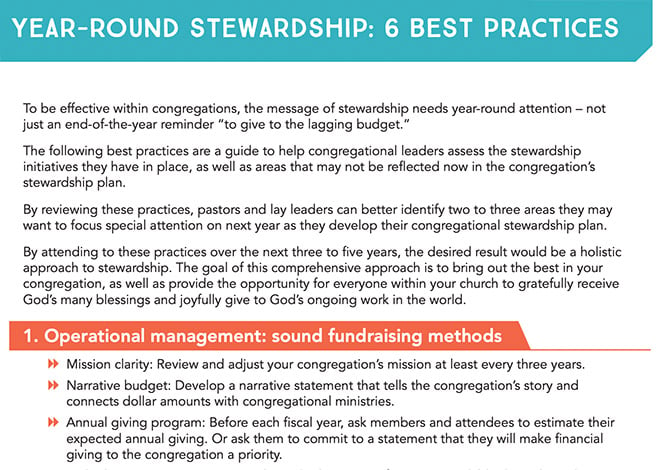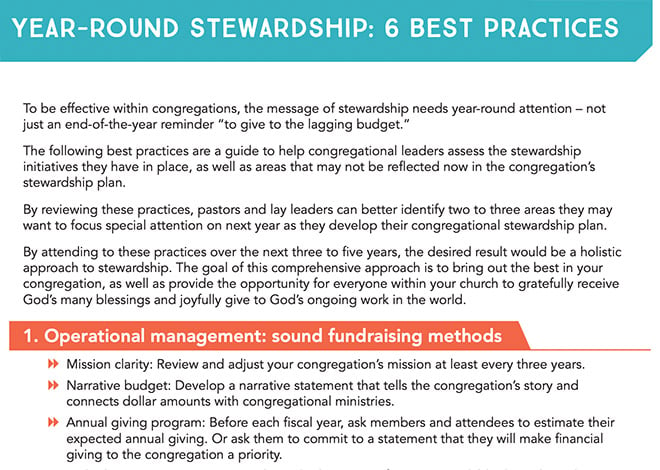
Effective church budgeting is a sacred exercise in faithful stewardship, merging prayerful vision with prudent fiscal discipline. When a congregation aligns its financial resources with its mission, the community can glorify God while serving the world with clarity and purpose. By embracing best practices, leaders foster transparency, empower generosity, and lay a foundation for enduring ministry.
Biblical Foundations of Stewardship
Scripture repeatedly calls believers to manage resources as trustees of divine grace. Passages such as Proverbs 21:5 underscore the value of careful planning, while 2 Corinthians 9:6 highlights the principle that generous sowing leads to abundant harvests. Grounding a budget in these truths infuses financial decisions with theological weight, transforming numbers into acts of worship.
Articulating Vision and Goals
Before allocating funds, the leadership council must articulate a compelling vision for the upcoming year. This narrative should articulate mission outcomes—evangelism, community outreach, worship excellence, and benevolence—serving as a compass that guides each budgetary line. When the congregation can visualize the desired impact, hearts are stirred to give sacrificially.
Structuring the Budget Process
A robust budgeting framework begins with a timeline that mirrors the church calendar: prayerful discernment, data gathering, draft formulation, congregational review, and final approval. Each phase invites input from staff, ministry leaders, and lay members, ensuring a democratic approach that honors collective wisdom. Employing a zero‑based budgeting mindset forces each program to justify its expenditures, eliminating complacency.
Categorizing Expenditures with Precision
Granular line‑item budgeting enhances clarity and accountability. Common categories include personnel compensation, program supplies, facility maintenance, missions support, and administrative overhead. By breaking down each category,财务 managers can track cash flow dynamics, forecast seasonal variances, and identify areas where envelope‑style allocation may curb overspending.
Building Prudent Reserves
Every church should maintain an emergency reserve—typically three to six months of operating expenses—to cushion unforeseen crises. This prudent reserve acts as a financial shock absorber, allowing ministries to continue without abrupt disruption. Additionally, setting aside a capital development fund for future building projects or major equipment purchases demonstrates forward‑thinking stewardship.
Monitoring and Controlling Expenses
Continuous monitoring transforms a static budget into a dynamic stewardship tool. Monthly variance reports compare actual spending against projections, highlighting deviations before they balloon. Variance analysis, when paired with corrective actions—reallocating funds, adjusting program scope, or激发 additional giving—ensures fiscal health remains on track.
Communicating Transparently
Transparency cultivates trust and encourages congregational engagement. Quarterly financial updates, visual dashboards, and story‑driven testimonies of answered prayers reinforce the connection between giving and ministry impact. When members see tangible outcomes, their generosity is often amplified, reinforcing a culture of joyful giving.
Utilizing Technology for Budget Management
Modern church management software streamlines budgeting through automated tracking, collaborative spreadsheets, and real‑time reporting. Platforms such as Planning Center,ACS Technologies, or custom Excel models with built‑in formulas enable finance teams to model scenarios, assess sustainability, and generate audit‑ready records with minimal effort.
Periodic Review and Revision
Annual budgets are living documents; they require periodic recalibration. Mid‑year reviews assess progress toward goals, recalibrate revenue forecasts, and adjust expenditures in response to changing circumstances. This iterative approach aligns financial resources with evolving mission priorities, ensuring the church remains agile and faithful.
Involving the Congregation in Prayerful Planning
Stewardship is a communal endeavor. Engaging the congregation through prayer walks, budgeting workshops, and focus groups invites divine guidance and collective insight. When members sense ownership of the financial plan, they are more likely to commit to tithes and offerings, fostering a spirit of generosity that fuels kingdom work.
Celebrating Milestones and Giving Thanks
Acknowledging answered prayers and milestones reinforces the spiritual significance of budgeting. Public gratitude, testimonies of transformed lives, and visual presentations of completed projects serve as tangible reminders that every dollar serves a divine purpose. Such celebrations inspire ongoing commitment and deepen communal bonds.
Conclusion: Living Faithfully Through Disciplined Stewardship
Church budgeting, when executed with prayerful intention, theological grounding, and transparent communication, becomes a powerful expression of faith. By instituting best practices—vision casting, detailed categorization, prudent reserves, continuous monitoring, and congregational involvement—a congregation can navigate financial complexities while remaining steadfast in its calling. Ultimately, disciplined stewardship empowers the body of Christ to fulfill its mission, glorify God, and bless the world.