

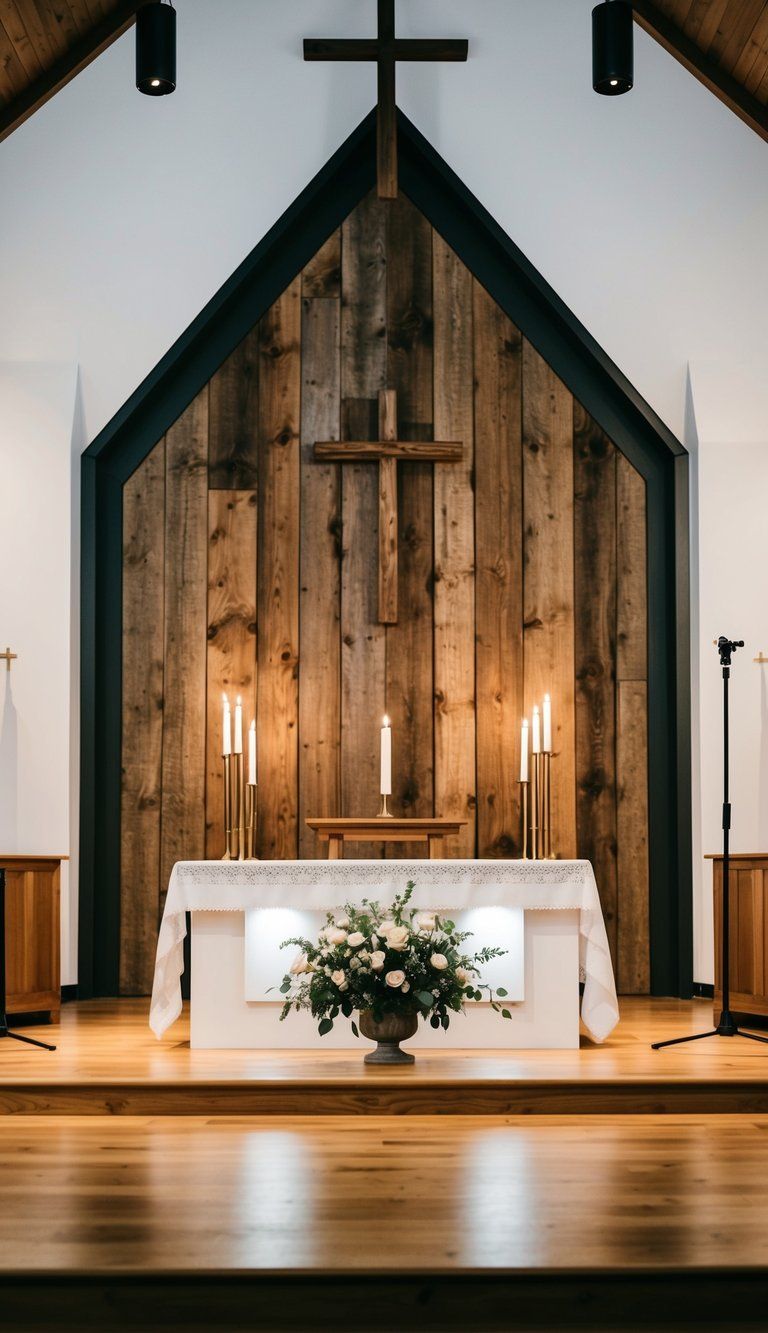
Imagine stepping into a sanctuary where every glance, every note, and every breath draws you closer to the divine. Worship isn’t just a ritual—it’s an experience, a symphony of sight, sound, and spirit that elevates the soul. Yet, many churches struggle to create an atmosphere where worship truly flourishes. The stage isn’t just a platform; it’s a canvas where faith meets creativity, where tradition dances with innovation. If you’ve ever wondered how to transform your worship space into a place where hearts ignite and spirits soar, you’re about to uncover the secrets to crafting an unforgettable experience.
The Sacred Stage: Where Design Meets Devotion
The stage is the heartbeat of your worship service—a living, breathing entity that sets the tone for the entire congregation. Think of it as a grand stage in a theater, where every prop, every color, and every arrangement tells a story. But unlike a play, this story isn’t scripted; it’s a dialogue between the divine and the devoted. Start with lighting: soft, warm hues can evoke intimacy, while dynamic, shifting lights can mirror the ebb and flow of worship. Consider the architecture—does it invite reverence or distraction? A stage that feels open and uncluttered allows the message to breathe, while intentional focal points guide the congregation’s gaze toward the altar or pulpit. Even the materials matter: wood exudes warmth, metal conveys strength, and fabric can soften the space. Every choice should whisper, “This is holy ground.”
Music as the Unseen Conductor of the Soul
Music isn’t just background noise; it’s the invisible thread that weaves through the fabric of worship, stitching together moments of awe and surrender. The right instruments can elevate a hymn from a simple melody to a transcendent experience. A grand piano, with its rich, resonant tones, can carry the weight of a congregation’s prayers, while a well-placed string quartet adds an ethereal quality to modern worship songs. But don’t overlook the power of silence—the pauses between notes are where the spirit often speaks loudest. Experiment with acoustics: a slightly reverberant space can make a soloist’s voice feel like a divine echo, while a drier environment ensures clarity. And let’s not forget the musicians themselves—their posture, their expressions, their very presence can either distract or draw the congregation deeper into worship. A band that plays with eyes closed, lost in the music, becomes a mirror for the congregation’s own journey of surrender.
The Power of Symbolism: Crafting a Visual Sermon
A worship space is a visual sermon, a silent preacher that speaks before a single word is uttered. Symbols aren’t just decorations; they’re gateways to deeper understanding. A cross, when placed thoughtfully, isn’t just a reminder of sacrifice—it’s a compass pointing toward redemption. Candles flicker with the promise of Christ as the Light of the World, while banners and tapestries can tell the story of the church’s journey through time. Even the arrangement of chairs or pews can shape the flow of worship: a circular setup fosters community, while a linear arrangement directs focus toward the stage. Consider the seasons—Advent’s wreath, Lent’s purple hues, Easter’s bursts of white and gold. These aren’t just traditions; they’re visual cues that anchor the congregation in the rhythm of the liturgical year. Every symbol should feel intentional, like a brushstroke on a masterpiece that invites the viewer to see the divine.
Engaging the Senses: A Multi-Dimensional Worship Experience
Worship is a full-body experience, and the most memorable services engage more than just the ears. The sense of smell, often overlooked, can be a powerful ally: the earthy aroma of sandalwood incense, the crisp freshness of eucalyptus, or even the subtle scent of a well-placed candle can transport worshippers to a place of reverence. Touch, too, plays a role—textured fabrics on the stage, smooth wooden pews, or even the weight of a hymnal in hand can ground the experience in the tangible. And what of taste? While communion is the obvious answer, consider the ritual of sharing coffee and pastries after service, a modern twist on the ancient practice of fellowship. Even the temperature of the room matters—a slightly cooler sanctuary can keep minds alert, while warmth invites relaxation. When all five senses are awakened, worship becomes more than an event; it becomes an encounter.
The Congregation as the Choir: Fostering Participation
A worship service isn’t a performance; it’s a communal act of devotion. The congregation isn’t an audience—they’re the choir, the congregation, the body of Christ. Yet, too often, they’re reduced to silent spectators. Break the mold by incorporating interactive elements: responsive readings where the congregation speaks as one, moments of communal prayer where voices rise together, or even simple gestures like raising hands or kneeling that invite physical participation. Technology can play a role here, too—projected lyrics and chord charts can empower even the most timid singer to join in. But participation isn’t just about singing; it’s about ownership. Invite congregants to share their testimonies, to lead in prayer, or to serve in ways that make them feel integral to the worship experience. When the congregation feels like co-creators of the moment, worship transcends ritual and becomes a shared journey.
The Unseen Architect: The Holy Spirit as the Ultimate Designer
No matter how meticulously you plan, the most transformative worship experiences are those where the Holy Spirit moves in ways that defy human design. The best stage setups, the most evocative music, the most symbolic decor—all of these are merely tools. The true architect of worship is the Spirit, who breathes life into the ordinary and makes it sacred. This means leaving room for spontaneity: a sudden shift in the music, an unplanned moment of silence, or an unexpected word from the pulpit that speaks directly to the hearts of the congregation. It means trusting that the Spirit can work through imperfection—a slightly off-key note, a misplaced prop, a delayed start—because those are the moments when human frailty gives way to divine grace. Worship isn’t about control; it’s about surrender. And when the Spirit takes the reins, even the simplest service can become a masterpiece.
Conclusion: A Sanctuary That Speaks to the Soul
Enhancing worship in your church isn’t about chasing trends or replicating the latest fad. It’s about creating a space where the sacred and the creative intertwine, where every detail whispers of God’s presence. It’s about crafting an experience that engages the mind, stirs the heart, and awakens the spirit. Whether through the careful arrangement of a stage, the soul-stirring power of music, the silent language of symbols, or the unifying force of communal participation, the goal is the same: to make worship an encounter, not just an event. So take a step back. Observe. Listen. And then, with intention and reverence, begin to shape a sanctuary that doesn’t just hold a congregation—it lifts them toward the heavens.

