

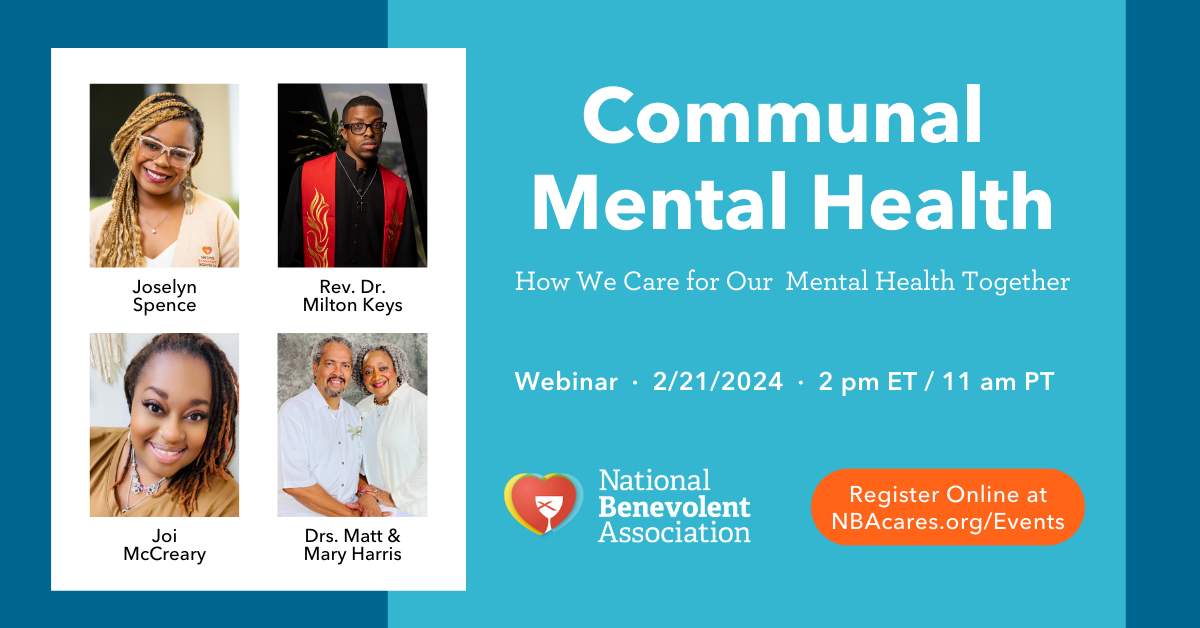
In a world where the weight of existence often feels like a silent burden, the church stands not just as a sanctuary of faith, but as a beacon of holistic healing. Mental health, once shrouded in stigma and silence, is now being met with open arms and compassionate dialogue within faith communities. The rise of webinars dedicated to mental health within the church reflects a profound shift—a recognition that spiritual nourishment and emotional well-being are not mutually exclusive, but deeply intertwined. These digital gatherings are more than just online events; they are lifelines, offering solace, education, and a sense of belonging to those navigating the complexities of the human mind. Whether you’re seeking guidance, struggling in silence, or simply curious about how faith and mental health intersect, these webinars provide a sacred space to explore, learn, and heal together.
The Power of Shared Stories: Personal Narratives in Mental Health Webinars
There is an unparalleled magic in hearing someone say, “You are not alone.” Mental health webinars within the church often open with raw, unfiltered personal narratives—stories of triumph over despair, of wrestling with faith in the face of anxiety, or of finding strength in vulnerability. These testimonies are not mere anecdotes; they are lifelines. They dismantle the illusion of isolation, replacing it with a chorus of voices that echo, “We see you. We understand.” A pastor might share their journey through depression, not as a figure of authority, but as a fellow traveler on the path of healing. A young adult could recount their battle with social anxiety, framed not as a flaw, but as a chapter in a larger story of resilience. These narratives do more than inform—they transform. They remind attendees that mental health struggles are not signs of weakness, but threads woven into the tapestry of human experience. In the sacred space of these webinars, vulnerability becomes a form of worship, and storytelling, an act of communal care.
Practical Tools for Everyday Resilience: Skill-Building Sessions
Knowledge is power, but wisdom is the application of that power in the quiet corners of daily life. Mental health webinars in the church often pivot from storytelling to skill-building, offering attendees practical tools to navigate their emotional landscapes. These sessions might delve into mindfulness practices rooted in Christian meditation, teaching participants to anchor their thoughts in scripture while cultivating present-moment awareness. Others could explore the art of boundary-setting, helping individuals distinguish between selfless love and self-sacrifice, a distinction often blurred in faith communities. There are workshops on cognitive reframing, where attendees learn to challenge negative thought patterns through the lens of biblical truth. Some webinars even incorporate guided journaling exercises, encouraging participants to articulate their emotions in prayerful reflection. These sessions are not about quick fixes; they are about equipping the faithful with the tools to weather storms with grace and intentionality. In a world that demands constant productivity, these webinars offer a radical invitation: to pause, to breathe, and to tend to the soul with the same diligence as one would tend to a garden.
Scripture as a Healing Balm: Biblical Perspectives on Mental Health
The Bible is not a manual of stoic endurance, but a living testament to the full spectrum of human emotion. Mental health webinars in the church often mine its pages for wisdom, uncovering verses that speak to anxiety, depression, and despair with unflinching honesty. Psalm 34:18 reminds us that “The Lord is close to the brokenhearted,” while Matthew 11:28 extends an invitation to “Come to me, all you who are weary and burdened, and I will give you rest.” These passages are not mere platitudes; they are lifelines for those drowning in the noise of their own minds. Webinars might explore the lament psalms, where David and others cry out in raw, unfiltered pain—a model for honest prayer in seasons of suffering. Others could dissect the story of Elijah fleeing into the wilderness, exhausted and despairing, only to be met by God’s gentle provision. By framing mental health through the lens of scripture, these webinars do more than provide comfort; they redefine suffering as a sacred space where God’s presence is most profoundly felt. In doing so, they offer a counter-narrative to the world’s message that pain must be fixed, replaced, or silenced.
Community in the Digital Age: Fostering Connection Beyond the Screen
The irony of the digital age is that while we are more connected than ever, loneliness persists like a shadow. Mental health webinars in the church seek to bridge this gap, transforming passive online attendance into active communal engagement. Breakout sessions might pair attendees in small groups, where they can share their struggles in a safe, facilitated space. Some webinars incorporate prayer partners, matching individuals with trained listeners for ongoing support. Others use interactive polls and Q&A segments to foster real-time dialogue, ensuring that no voice is left unheard. The goal is not just to disseminate information, but to cultivate a sense of belonging—a reminder that the church is not a building, but a body of believers bound by shared humanity. These digital gatherings become incubators for authentic relationships, where the click of a “join” button evolves into the warmth of a shared hug, even if it’s through a screen.
Expert Voices: Integrating Professional Insight with Faith-Based Care
While the church offers spiritual sustenance, it does not exist in a vacuum. Mental health webinars often feature licensed therapists, counselors, and psychologists who bring clinical expertise to the conversation. These experts might demystify conditions like PTSD, OCD, or bipolar disorder, framing them not as moral failings, but as medical realities that can be managed with compassion and professional care. They could offer guidance on discerning when to seek therapy, how to support loved ones in crisis, or how to navigate the intersection of faith and medication. Some webinars even explore the role of pastoral counseling, highlighting the unique blend of spiritual and psychological care that faith leaders can provide. By integrating professional insight with faith-based perspectives, these sessions offer a holistic approach to healing—one that honors the mind, body, and spirit as inseparable facets of human flourishing.
Cultural Competency: Addressing Mental Health Across Diverse Communities
Mental health does not exist in a cultural vacuum. Webinars in the church often address the unique challenges faced by marginalized communities, from racial trauma to generational stigma around mental illness. A webinar might explore how cultural expectations shape perceptions of suffering, or how language barriers can isolate non-English-speaking congregants in their struggles. Others could delve into the intersection of faith and LGBTQ+ mental health, offering a space to grapple with questions of identity, acceptance, and scriptural interpretation. These sessions are not just about awareness; they are about action—equipping faith leaders and attendees with the tools to advocate for inclusive, culturally sensitive care. By centering these conversations, the church affirms that mental health is not a monolith, but a mosaic of experiences that demand nuanced, compassionate responses.
The Ripple Effect: How Webinars Inspire Systemic Change
The impact of mental health webinars extends far beyond the screen. Attendees often return to their communities with a renewed sense of purpose, advocating for mental health initiatives within their churches. Some might launch support groups, while others could push for training in mental health first aid for church leaders. Webinars might inspire the creation of resource libraries, where books, podcasts, and crisis hotlines are made accessible to congregants. In some cases, these digital gatherings spark larger movements—campaigns to destigmatize mental illness, partnerships with local mental health organizations, or even legislative advocacy for better mental health policies. The church, in its essence, is a body in motion, and these webinars are the spark that sets it in motion toward healing—not just for individuals, but for entire communities. They remind us that care is not a passive act, but an active, ongoing commitment to the flourishing of all God’s people.

