

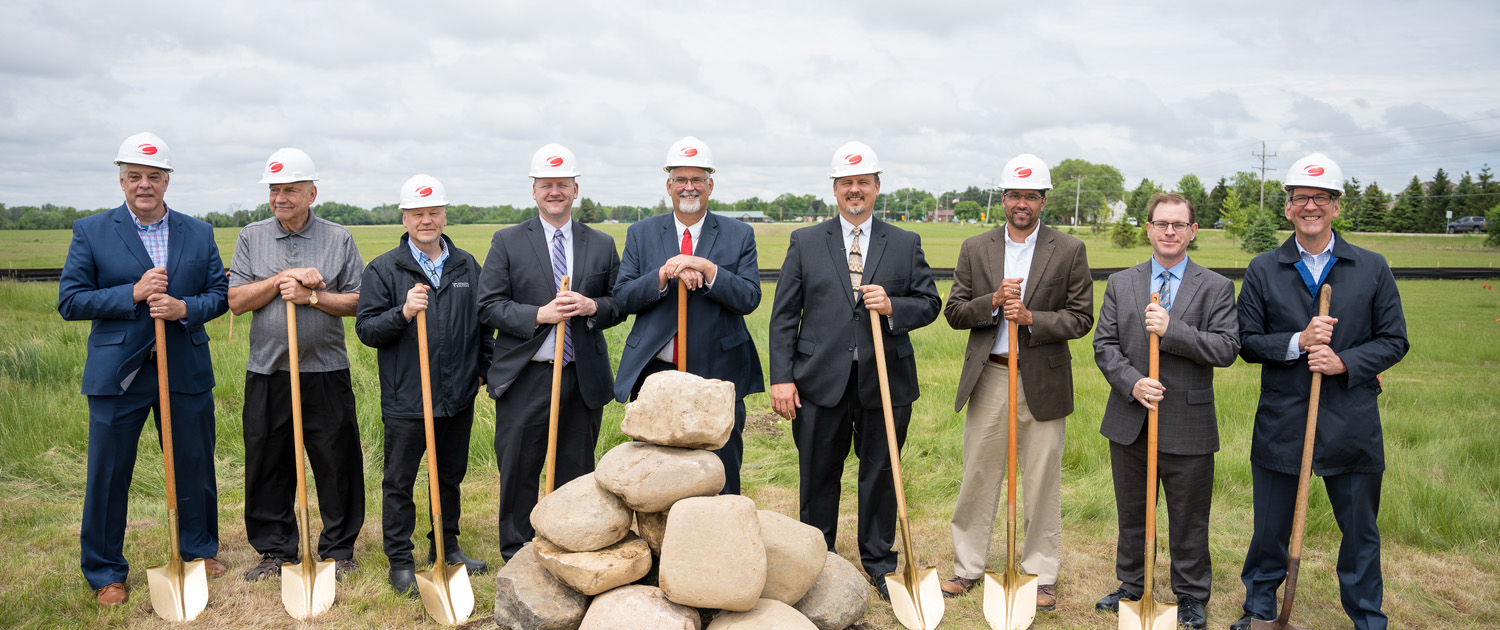
Imagine a seed, small and unassuming, nestled in the earth. It holds within it the promise of a towering oak—its branches stretching wide enough to cradle a community, its roots delving deep enough to anchor shared dreams. A church groundbreaking ceremony is much like planting that seed. It is not merely the first shovelful of soil turned; it is the moment when faith, hope, and collective vision begin to take root in the communal soil. But how do you ensure that this seed grows into something far greater than the sum of its parts? The answer lies in weaving the community into the very fabric of the groundbreaking, transforming a symbolic act into a living, breathing tapestry of shared purpose.
The Groundbreaking as a Sacred Prelude: Setting the Stage for Shared Ownership
Every grand edifice begins with a whisper, not a roar. The groundbreaking ceremony is that whisper—a sacred prelude to the symphony of construction that will follow. Yet, too often, it is treated as a perfunctory milestone, a checkbox to be ticked before the real work begins. To involve the community meaningfully, this ceremony must transcend its traditional boundaries. It should be reimagined as a covenant ceremony, where the land, the congregation, and the divine converge in a mutual pledge.
Consider the act of turning the first spade of earth not as a solitary gesture, but as a ritual of reciprocity. Invite elders, children, and newcomers alike to participate in the symbolic digging. Each shovelful of soil becomes a metaphorical offering—a tangible expression of their hopes, fears, and aspirations. This is not just about breaking ground; it’s about breaking barriers between the sacred and the secular, the builders and the believers. The ceremony should echo with stories—of past struggles, present unity, and future dreams—so that every attendee leaves feeling not just like a spectator, but a stakeholder in the church’s destiny.
From Spectators to Co-Creators: Engaging the Community in the Ceremony’s Core
Passivity is the enemy of participation. If the groundbreaking is a one-act play with a single protagonist, the community will remain on the sidelines, watching but never truly engaging. To transform spectators into co-creators, the ceremony must become an interactive mosaic, where each person contributes a piece to the larger picture.
One way to achieve this is through a collaborative time capsule. Before the event, invite community members to submit items—a handwritten note, a photograph, a small artifact—that represents their vision for the church’s future. These items are then sealed in a time capsule during the ceremony, to be unearthed decades later. This act turns the groundbreaking into a living archive, a promise that the church’s story is not just being built, but being co-authored by those who will walk its halls.
Another approach is to incorporate community-led rituals. For instance, a “stone blessing” where attendees bring a stone from their homes or neighborhoods to be placed in the foundation. Each stone is inscribed with a word or phrase that encapsulates their hopes for the church. As the stones are laid, the foundation becomes a mosaic of collective intention, each piece a testament to the community’s shared faith. This transforms the groundbreaking from a static event into a dynamic, participatory experience.
The Power of Symbolic Acts: Infusing Meaning into Every Movement
Symbols are the language of the soul, and a groundbreaking ceremony is a canvas where these symbols can be painted in bold, unforgettable strokes. The key to involving the community lies in imbuing every action with layers of meaning, so that the ceremony becomes more than an event—it becomes a pilgrimage of purpose.
Consider the act of laying the cornerstone. Traditionally, this is a ceremonial moment, but it can be elevated into a ritual of consecration. Before the stone is placed, invite community members to anoint it with oil, water, or even soil from their own properties. This act transforms the cornerstone from a mere building block into a sacred relic, a physical manifestation of the community’s collective spirit. The oil, in particular, can symbolize healing and unity, while the soil represents the deep roots of shared history.
Another powerful symbol is the tree-planting tradition. As part of the groundbreaking, plant a sapling near the construction site—a living metaphor for growth, resilience, and the enduring nature of faith. Each year, as the church grows, so too will the tree, its branches reaching skyward in tandem with the congregation’s spiritual journey. This creates a tangible connection between the physical structure and the community’s evolving story, ensuring that the groundbreaking is not just a memory, but an ongoing dialogue.
Feasting Together: The Communal Meal as a Unifying Force
No ritual is complete without a feast. Food has an unparalleled ability to dissolve barriers, foster connection, and create memories that linger long after the plates are cleared. A groundbreaking ceremony should culminate in a communal banquet, where the act of breaking bread together becomes a metaphor for the unity the church aspires to embody.
This feast need not be extravagant; simplicity often carries the deepest resonance. A potluck-style gathering, where attendees bring a dish that holds personal significance, can be a powerful way to celebrate diversity and shared purpose. The act of sharing food becomes a sacrament of hospitality, a reminder that the church is not just a building, but a home for all who walk through its doors.
Consider incorporating a blessing of the meal led by a community elder or a member of the congregation. This blessing should be inclusive, acknowledging the varied faiths and backgrounds of those present. It transforms the meal from a mere social gathering into a sacred act, reinforcing the idea that the groundbreaking is not just about construction, but about the nourishment of souls.
Leaving a Legacy: How the Groundbreaking Can Inspire Ongoing Engagement
A groundbreaking ceremony should not be an endpoint, but a catalyst for perpetual involvement. The seeds planted on that day must be nurtured long after the shovels are put away, and the community’s engagement should evolve into a sustained partnership with the church’s mission.
One way to ensure this is through the creation of a community advisory council. This group, composed of diverse voices from the congregation and neighborhood, can meet quarterly to discuss the church’s progress, address concerns, and brainstorm ways to deepen engagement. Their role is not just advisory; it is a sacred trust, a commitment to ensuring that the church remains a living, breathing entity that reflects the community’s needs and aspirations.
Another approach is to establish a legacy project tied to the groundbreaking. This could be a community garden, a mural, or even a scholarship fund, all bearing the name of the church and the date of its groundbreaking. Each year, as the project grows, so too does the community’s investment in the church’s future. It becomes a tangible reminder that the groundbreaking was not just the beginning of a building, but the beginning of a legacy.
The Ripple Effect: How a Thoughtful Groundbreaking Transforms the Community
The true magic of a groundbreaking ceremony lies in its ripple effect. When done thoughtfully, it can transform not just a plot of land, but the very fabric of the community. It can turn a construction site into a beacon of hope, a place where people see their dreams reflected back at them in brick and mortar.
Consider the story of a small town that came together to break ground for a new church. The ceremony was not just a formality; it was a catalytic event that sparked conversations, forged new friendships, and even led to the formation of a community choir. The groundbreaking became a symbol of what was possible when people dared to dream together. Years later, the church stands not just as a building, but as a testament to the power of collective vision.
This is the unique appeal of a groundbreaking ceremony done right—it is not just the first step in a construction project, but the first step in a journey of transformation. It is where the abstract becomes concrete, where faith meets action, and where a community discovers the strength of its own unity. When the community is truly involved, the groundbreaking is not just a moment in time; it is the beginning of an eternal story.

