

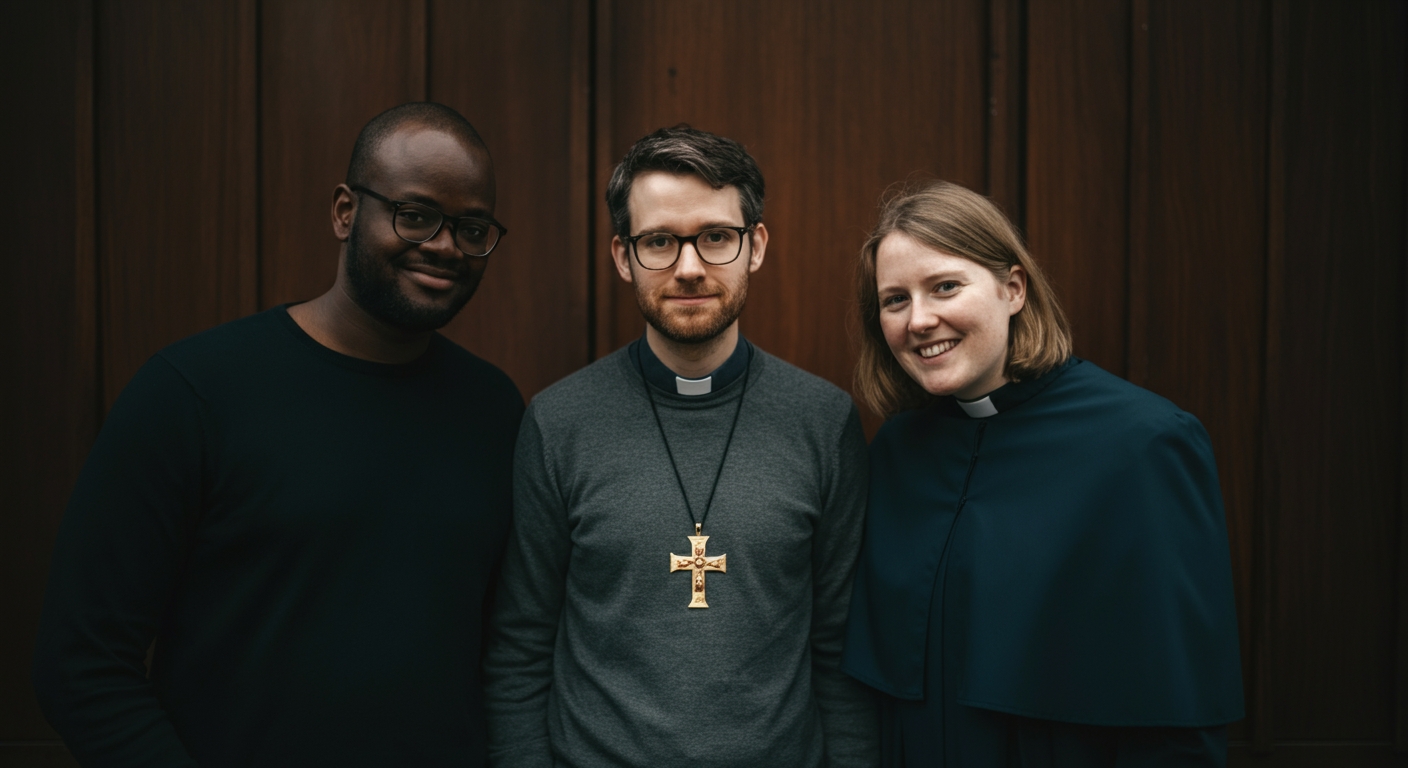
The intersection of faith and mental wellness is a sacred space where compassion meets understanding, where the pulpit and the therapist’s office blur into a single sanctuary of healing. In an era where silence often shrouds the struggles of the soul, LinkedIn emerges as an unexpected but powerful platform for clergy, mental health professionals, and faith communities to weave narratives of hope, resilience, and holistic care. This digital agora—where professionals converge to share insights, forge connections, and dismantle stigmas—offers a unique opportunity to redefine how the church engages with mental health. Here, LinkedIn transcends its corporate origins to become a modern-day confessional, a classroom, and a catalyst for change.
The Power of Personal Narratives: Stories That Heal and Connect
There is an alchemy in storytelling, a transformative process where pain becomes purpose and isolation gives way to kinship. On LinkedIn, personal narratives about mental health journeys—whether from a pastor who once grappled with burnout or a therapist who found solace in faith—resonate deeply. These stories do more than humanize professionals; they shatter the illusion of invincibility that often surrounds religious leaders. A candid post about anxiety before Sunday service or a thread on overcoming depression while maintaining a congregation can spark conversations that echo through digital corridors and real-life pews alike. The key lies in authenticity: readers crave vulnerability, not platitudes. When a clergy member shares their own struggles with grief or a mental health advocate discusses their faith-informed recovery, they invite others to do the same, fostering a culture of mutual support.
Educational Insights: Bridging Theology and Psychology
LinkedIn thrives as a hub for knowledge dissemination, and when it comes to mental health within faith communities, education becomes a bridge between ancient wisdom and modern science. Professionals can curate content that dissects the psychological underpinnings of biblical teachings—exploring, for instance, how the concept of Sabbath rest aligns with cognitive recovery or how the Psalms mirror the stages of grief. Articles that demystify terms like “moral injury” in pastoral contexts or infographics comparing cognitive-behavioral therapy with spiritual disciplines can enlighten both clergy and laypeople. Webinars and LinkedIn Live sessions hosted by psychologists of faith or theologians with clinical training offer a dynamic way to engage audiences. The goal isn’t to replace secular mental health care but to illuminate its compatibility with spiritual growth, creating a holistic framework for well-being.
Resource Curation: A Digital Compass for Seekers
The internet is a labyrinth, and for someone navigating mental health challenges within a faith context, it can feel like a maze without a guide. LinkedIn profiles can serve as curated repositories of hope, compiling resources that range from local support groups for clergy to online courses on trauma-informed ministry. A well-organized list of recommended books—such as *The Body Keeps the Score* alongside *Sacred Rhythms*—or a directory of faith-based therapists can become an invaluable lifeline. Professionals might also highlight lesser-known tools, like apps that integrate prayer with mindfulness exercises or podcasts that blend scripture with psychological insights. By acting as curators, they transform their profiles into sanctuaries of practical wisdom, ensuring that no one feels adrift in their search for healing.
Advocacy and Awareness: Challenging Stigmas with Data and Dialogue
Silence is the bedrock of stigma, and LinkedIn offers a megaphone to shatter it. Professionals can leverage the platform to spotlight research on mental health disparities within religious communities, using data to underscore the urgency of change. A thoughtfully crafted post might cite studies showing how clergy burnout correlates with higher rates of depression or how stigma prevents congregants from seeking help. Campaigns like #FaithAndMentalHealth can galvanize professionals to share their own experiences, creating a ripple effect of awareness. LinkedIn’s algorithm favors engagement, so posts that pose questions—“How can churches better support grieving members?” or “What’s one myth about faith and mental health you’d dismantle?”—invite dialogue and collective problem-solving. The goal isn’t just awareness but action: pushing for policy changes in religious institutions or encouraging interfaith collaborations to address systemic gaps.
Community Building: From Connections to Collaborations
LinkedIn is, at its core, a network, and for professionals in this space, it’s an opportunity to cultivate a tribe of like-minded advocates. A clergy member in Chicago might connect with a therapist in Atlanta, sparking a partnership to co-host a workshop on anxiety and faith. LinkedIn Groups dedicated to faith-based mental health can become incubators for grassroots initiatives, from peer-led support circles to advocacy campaigns. Professionals can also use the platform to highlight local events, such as a “Mental Health Sunday” at a nearby church or a training session on suicide prevention for faith leaders. By fostering these connections, they transform isolated efforts into a movement, ensuring that no one has to walk the path of healing alone.
Innovative Content Formats: Beyond the Written Word
While articles and posts form the backbone of LinkedIn engagement, the platform’s multimedia capabilities unlock even greater potential. Professionals can harness the power of video to share short reflections on scripture and mental wellness, or use LinkedIn’s carousel feature to break down complex topics like “The Neurobiology of Prayer” into digestible slides. Infographics that compare the stages of grief with biblical narratives can distill profound truths into visual bites. Even audio content, such as LinkedIn’s native podcast feature, allows for in-depth conversations with experts, from psychiatrists who integrate faith into their practice to pastors who’ve pioneered mental health ministries. These formats cater to diverse learning styles, ensuring that the message reaches hearts and minds in the most resonant way possible.
The Ripple Effect: How Individual Profiles Shape Collective Well-Being
Every post, every shared resource, every comment on LinkedIn is a pebble dropped into the pond of collective consciousness. For professionals in the church and mental health space, their profiles are not just digital business cards but beacons of hope. When a therapist shares a post about the intersection of trauma and spirituality, it might inspire a pastor to seek training in trauma-informed care. When a faith leader advocates for mental health awareness, it could embolden a congregant to seek therapy without shame. The cumulative effect of these actions is a cultural shift—a redefinition of what it means to care for the whole person. In this digital age, LinkedIn becomes more than a platform; it becomes a movement, a testament to the power of shared stories and collective action in the pursuit of mental and spiritual wholeness.

