

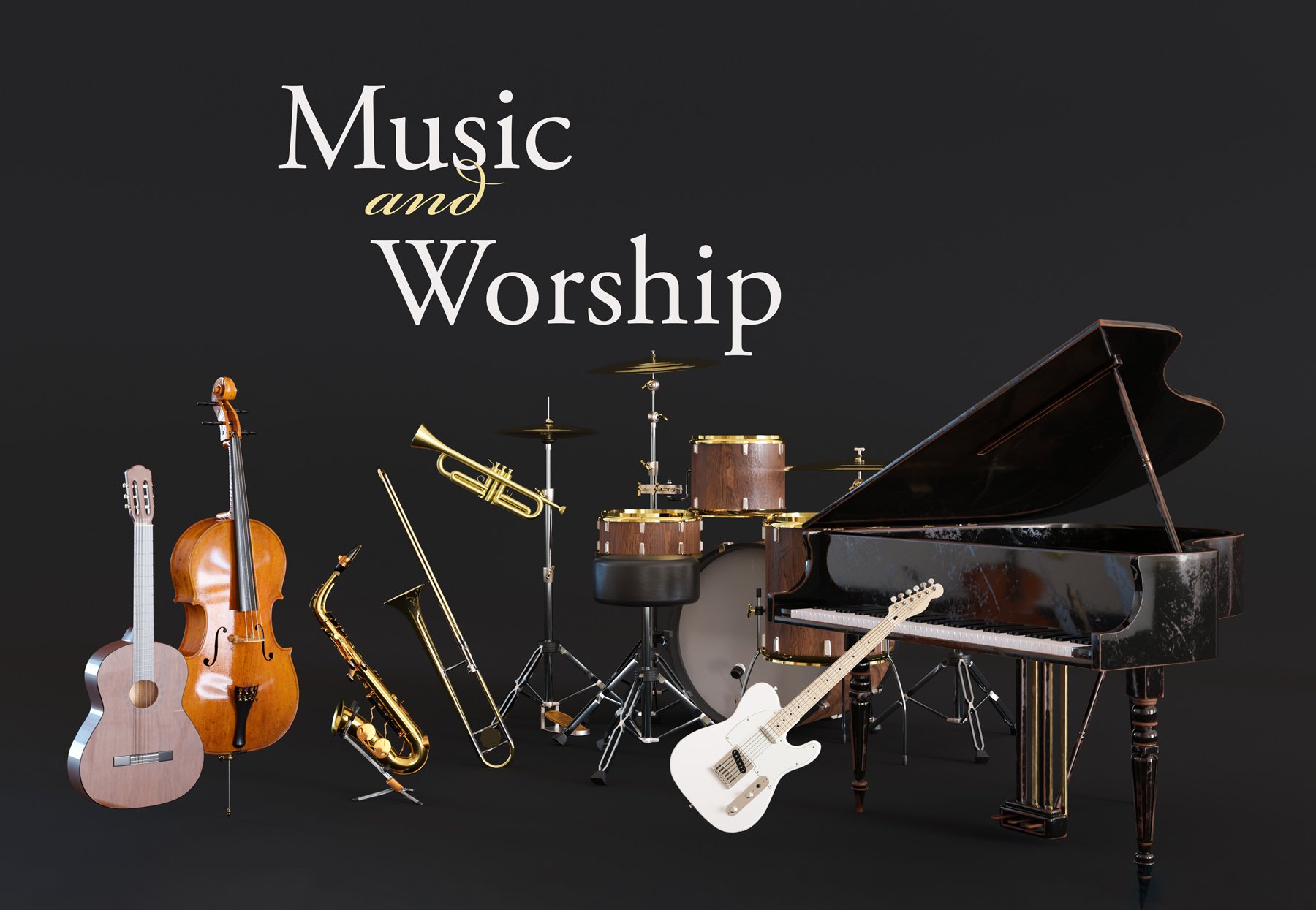
There’s a moment, just before the first chord rings out, when the air in a sanctuary seems to hold its breath. The congregation stands, eyes closed or gazing upward, hearts poised between the weight of the week gone by and the hope of what’s to come. Worship isn’t just music—it’s an act of surrender, a declaration, a quiet revolution of the soul. But how do we curate that sacred space? How do we choose the songs that don’t just fill the room with sound, but transform it into a threshold where heaven and earth seem to meet? The answer lies not in the volume of the instruments or the complexity of the harmonies, but in the intentionality behind every lyric, every melody, every pause between the notes.
The Alchemy of Atmosphere: Crafting a Sonic Sanctuary
Every worship service begins with an atmosphere—an invisible architecture built from light, silence, and sound. The songs you select are the scaffolding of this space, shaping not just the mood, but the very posture of the congregation’s heart. A slow, meditative hymn like *”Be Still, My Soul”* can usher in a spirit of contemplation, while an anthem like *”10,000 Reasons”* lifts voices in defiant gratitude. The key is balance: contrast the introspective with the exuberant, the ancient with the contemporary. Think of it as a sonic pilgrimage—each song a waypoint, each transition a breath, guiding the worshipper deeper into the presence of the divine.
But atmosphere isn’t just about the songs themselves; it’s about the space between them. The silence after a powerful declaration of faith isn’t empty—it’s pregnant with possibility. A well-placed instrumental interlude can act as a palate cleanser, allowing the Holy Spirit to reorient the congregation’s focus. Even the tempo of your worship set matters: a gradual acceleration can mirror the journey of faith—from stillness to surrender, from doubt to declaration. The goal isn’t just to fill the hour with music, but to create a rhythm that mirrors the heartbeat of God.
Lyrics That Echo Eternity: The Theology of Song Selection
Music has a way of embedding truth into the soul that sermons alone cannot. A worship song isn’t just a melody—it’s a sermon set to music, a theological statement sung in harmony. When choosing songs for a campaign, ask: What truths are we declaring over this congregation? Are we emphasizing God’s sovereignty with *”How Great Is Our God”*? Or are we wrestling with doubt through *”Even If”*? The lyrics should not only align with Scripture but also resonate with the spiritual climate of your community. A season of grief calls for *”It Is Well”*, while a season of revival might demand *”Break Every Chain.”*
Yet, theology alone isn’t enough. The best worship songs are those that marry profound truth with raw honesty. Consider *”The Anchor Holds”*—a song that doesn’t shy away from the storm but declares faith in the midst of it. Or *”O Come to the Altar”*, which doesn’t just invite but commands, as if the very act of singing becomes a sacred act of surrender. The most transformative worship experiences happen when the lyrics don’t just inform the mind but ignite the heart. They should feel like a conversation with God, not a lecture about Him.
The Pulse of Participation: Engaging the Congregation as Co-Creators
Worship isn’t a performance—it’s a communal act of creation. The most powerful moments in a service occur when the congregation doesn’t just listen but becomes part of the song. This requires more than just familiar hymns; it demands songs that are singable, memorable, and, above all, participatory. A song like *”Goodness of God”* thrives on communal voices, its repetitive chorus acting as a unifying heartbeat. Even complex songs like *”Everlasting God”* can become participatory when the congregation is invited to echo the bridge, turning personal devotion into corporate declaration.
But participation isn’t just about singing along—it’s about ownership. When a congregation feels like they’re shaping the worship experience, not just enduring it, something shifts. This is why new songs should be introduced with intention. A slow, deliberate walkthrough of a new anthem—breaking down the lyrics, explaining the melody, inviting the congregation to clap or raise hands—can turn skepticism into celebration. The goal isn’t to overwhelm with novelty but to invite the body of Christ into a shared journey of discovery. After all, the most enduring worship songs are those that the congregation doesn’t just sing, but makes their own.
The Unseen Conductor: The Role of the Worship Leader
A worship leader isn’t just a musician; they’re a spiritual midwife, guiding the congregation through the birth of a sacred moment. Their role extends beyond playing chords—they must read the room, sense the Holy Spirit’s leading, and adapt in real time. A leader who lingers too long on a somber song risks drowning the congregation in heaviness, while one who rushes into celebration without preparation may leave hearts untouched. The art lies in discernment: knowing when to linger in silence, when to repeat a phrase for emphasis, when to shift from minor to major keys as a declaration of victory.
This discernment is especially crucial in themed worship campaigns. If the campaign is centered on healing, the worship leader might weave in songs of restoration, allowing space for testimonies or prayers of anointing. If the focus is on mission, the music should carry a sense of urgency, perhaps culminating in a rousing send-off like *”Go Tell It on the Mountain.”* The worship leader doesn’t just curate the songs—they curate the encounter. Their posture, their choices, even their silence, all become part of the worship experience.
From Campaign to Legacy: Songs That Outlast the Sunday
The most effective worship campaigns don’t just fill a single service—they plant seeds that continue to grow long after the final amen. The songs chosen should resonate beyond the sanctuary, becoming anthems that the congregation hums in their cars, sings in their homes, and remembers in their darkest hours. This requires a blend of timeless hymns and modern anthems that bridge generations. A song like *”Great Is Thy Faithfulness”* connects the church to its roots, while *”Way Maker”* propels it into the future. The goal isn’t just to create a momentary emotional high but to craft a soundtrack for the soul’s journey.
But legacy isn’t just about the songs—it’s about the stories they birth. A worship campaign should leave behind not just memories, but testimonies. Perhaps a couple chooses *”Love Like This”* as their wedding song after hearing it during a campaign on covenant love. Or a grieving family finds solace in *”Blessed Be Your Name”* years after the service where it was first sung. The songs become touchstones, reminders of God’s faithfulness in every season. When this happens, the campaign doesn’t just end on Sunday—it continues in the quiet moments between Sundays, in the whispered prayers and the lifted hands of a people who have been forever changed by the music.

