

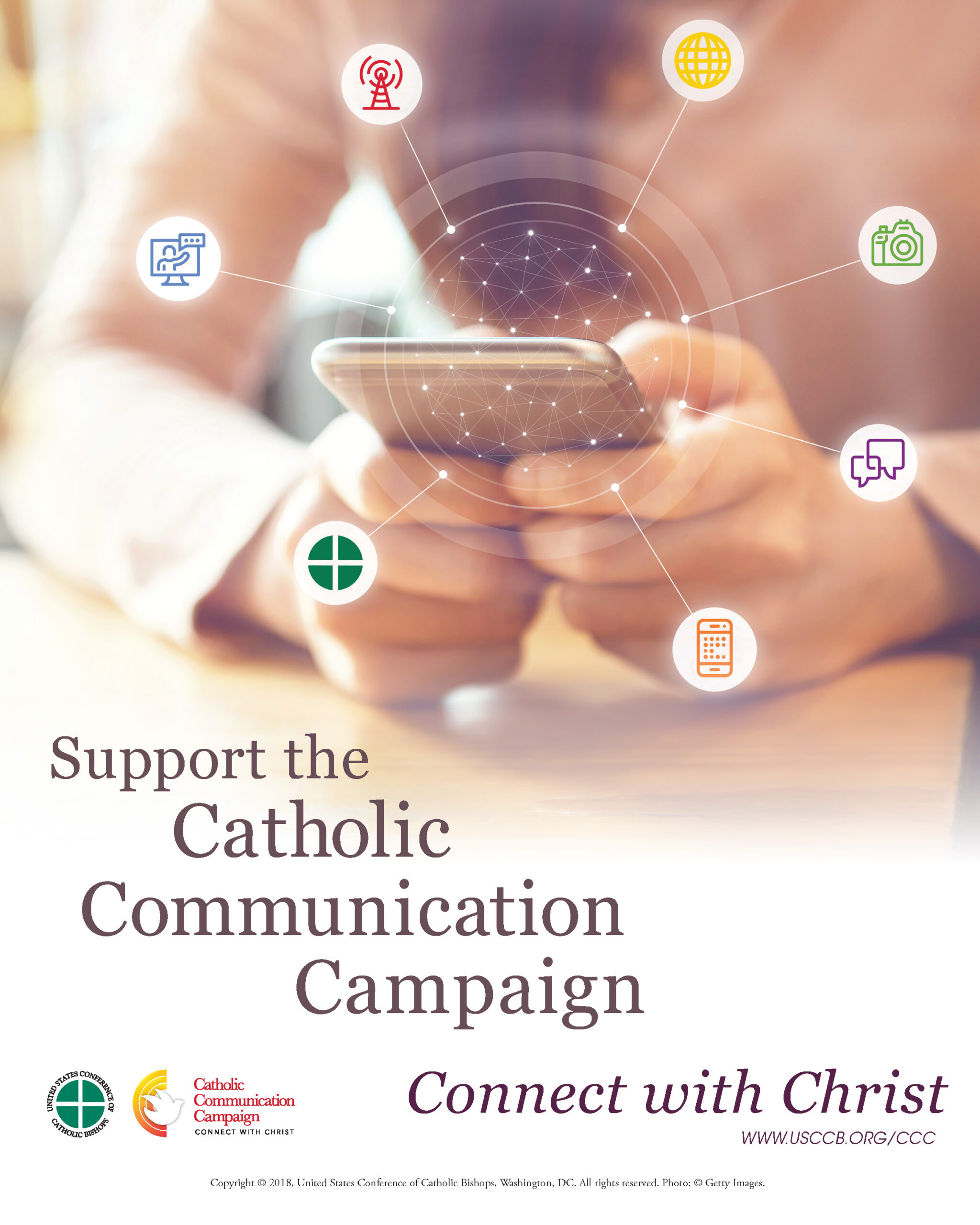
Imagine walking into your parish on a Sunday morning, only to find the bulletin board bare, the pulpit silent, and the parishioners whispering in confusion about the upcoming Lenten retreat. The priest clears his throat, but instead of sharing joyful news, he sighs, “Well, I guess we’ll have to figure this out as we go.” Sound familiar? In an era where information travels faster than a parish potluck spreads gossip, keeping everyone informed about church events and discipleship campaigns isn’t just a logistical task—it’s a spiritual imperative. How do we bridge the gap between the pulpit and the pew, ensuring that no one is left in the dark while also fostering a sense of communal anticipation? The answer lies in mastering the art of church and discipleship campaign communication, where clarity meets creativity, and tradition meets innovation.
The Digital Parish: Where Tradition Meets Technology
Gone are the days when a single bulletin stapled to the back pew was enough to rally the flock. Today’s parishioners are digital natives, scrolling through life with smartphones in hand and social media feeds at their fingertips. To keep them engaged, the church must meet them where they are—online. But this isn’t about abandoning the sacred for the sake of the algorithm. It’s about translating the timeless message of the Gospel into the language of likes, shares, and swipes. A well-crafted email newsletter, a vibrant parish Facebook group, or even a TikTok series on saints’ lives can transform passive observers into active participants. The key is consistency: a weekly digest of upcoming events, prayer intentions, and volunteer opportunities keeps the community connected, even when they’re not physically present.
The Power of Storytelling: Making Discipleship Campaigns Come Alive
Numbers and dates are important, but they don’t stir the soul. What does? Stories. A discipleship campaign isn’t just a series of meetings; it’s a journey of transformation, and every journey has a narrative. Instead of dry announcements about “the next Bible study starting next Tuesday,” why not share the story of Maria, a once-distant parishioner who rediscovered her faith through the campaign and now leads a small group? Or highlight the journey of Father Thomas, who overcame his fear of public speaking to preach with renewed passion after the campaign’s training sessions. By weaving personal testimonies into your communications, you don’t just inform—you inspire. People don’t just want to know *what* is happening; they want to feel *why* it matters.
The Pulpit and the Podium: Harmonizing Offline and Online Messaging
There’s a delicate dance between the spoken word from the pulpit and the written word in the digital sphere. A homily might move hearts on Sunday, but if the details of the parish’s Lenten charity drive aren’t reinforced online, the message fades by Monday. Conversely, a flurry of emails about a new discipleship group might go unnoticed if the priest doesn’t mention it from the altar. The solution? Synchronization. Use the pulpit to tease upcoming digital communications—”Be sure to check your email this week for details on our new prayer initiative!”—and use digital platforms to amplify the pulpit’s message. A short video clip of the priest discussing the campaign, shared on social media, can reignite interest mid-week. When offline and online efforts work in harmony, the message doesn’t just reach people—it resonates.
The Volunteer Conundrum: Who’s Really Spreading the Word?
Here’s a playful yet pressing question: If a discipleship campaign is announced in the newsletter but no one volunteers to promote it, does it still make a sound? The challenge of mobilizing volunteers is one of the most persistent headaches for church communicators. People are busy. They have jobs, families, and hobbies that demand their attention. So how do you turn the occasional helper into a committed advocate? Start by making the ask personal. Instead of a generic call for “social media volunteers,” approach someone with a knack for photography and say, “We’d love for you to capture the joy of our upcoming retreat—your photos could inspire others to join.” When people feel seen and valued, they’re more likely to step up. Additionally, provide them with the tools they need: pre-written social media posts, a shared calendar, and clear guidelines. Empowered volunteers are the secret sauce that turns a good campaign into a great one.
The Follow-Up Fiasco: From Announcement to Action
You’ve announced the campaign. The posters are up. The priest has preached about it. But then… crickets. The follow-up is where many church communication efforts stumble. Announcements are like seeds—they need nurturing to grow. A single email isn’t enough. Neither is a one-time mention in the bulletin. The solution is a multi-touch approach: send a teaser email a month before the event, a reminder a week prior, and a final push the day before. Use different formats—videos, infographics, even a countdown on the parish website—to keep the message fresh. And don’t forget the power of peer pressure: “Only 10 spots left!” or “See you there—we’re saving you a seat!” can work wonders. The goal isn’t to badger people but to gently nudge them from awareness to participation.
The Language of Inclusion: Speaking to Every Generation
One size does not fit all when it comes to communication. The retiree who checks email once a week has different needs than the teenager who lives on Instagram. To bridge this gap, diversify your channels. For older parishioners, a printed newsletter or a phone call might be most effective. For younger crowds, short-form video content on Instagram Reels or YouTube Shorts can capture their attention. Consider creating a “communication preference survey” to let parishioners choose how they’d like to receive updates. And don’t underestimate the power of intergenerational collaboration: a high school student designing a campaign graphic or a grandparent sharing a parish post on their Facebook page can foster unity while catering to different audiences. Inclusivity isn’t just about accessibility—it’s about ensuring every voice is heard and every heart is reached.
The Measure of Success: Beyond Attendance Numbers
At the end of the day, the goal of church communication isn’t just to fill seats—it’s to nurture souls. So how do you measure the success of your efforts? Beyond attendance numbers, look for signs of deeper engagement. Are people signing up for follow-up small groups? Are volunteers asking for more ways to serve? Are parishioners sharing their experiences with others, both online and offline? A thriving discipleship campaign doesn’t just inform; it transforms. It doesn’t just announce events; it builds community. And it doesn’t just reach people—it draws them closer to Christ. When your communication efforts bear fruit in the form of spiritual growth, you’ll know you’ve done more than keep everyone informed—you’ve helped them belong.

