

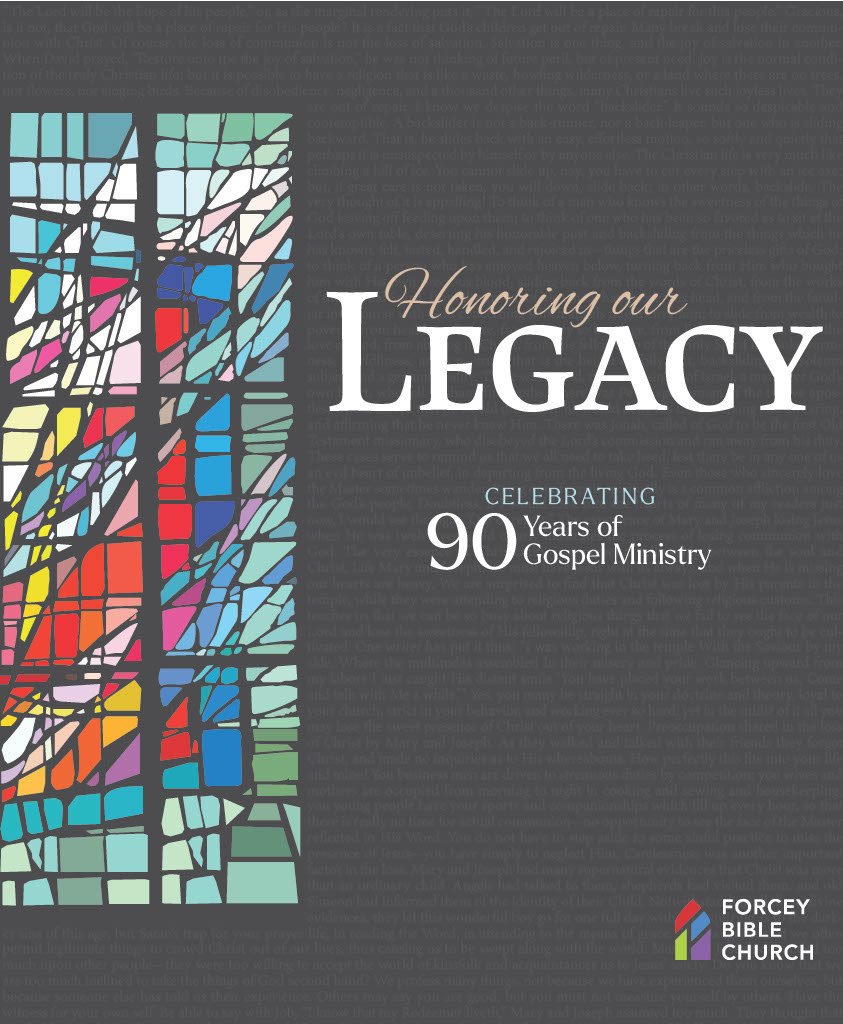
In the quiet corridors of time, each church stands as a living manuscript, its stones and stories inked with devotion, perseverance, and unyielding hope. The legacy of a congregation is not a mere footnote in a denominational ledger; it is a tapestry woven from countless threads of faith, sacrifice, and communal memory. By celebrating this rich heritage, the faithful honor those who came before while lighting a lantern for those yet to follow.
The Timeless Tapestry of Faith
Consider a church as a tapestry, each thread representing a generation, a trial, a triumph. When the loom of history pulls the warp tight, the weft of community becomes visible—interlaced patterns that reveal both struggle and grace. This metaphor invites us to view every sermon, every hymn, every silent prayer as a stroke of color that adds depth to the whole. Such an understanding transforms ordinary gatherings into moments of sacred artistry, where the past and present converse in vibrant hue.
Echoes in Stone: Architecture as Witness
The very walls of a sanctuary speak a dialect older than words. Gothic arches rise like gentle arches of an ancient cathedral, while modest brick chapels whisper modest humility. Each stone, each stained‑glass pane, holds the memory of a congregation that once gathered beneath its vaulted ceiling, breathing life into cold mortar. Architectural palimpsests—layers of renovation and restoration—tell stories of adaptation, resilience, and visionary stewardship. When we trace the contours of a building, we are tracing the pulse of generations that dared to build.
Chronicles of Service: Programs that Shaped Community
Beyond liturgy, churches have authored chronicles of outreach, each program a chapter in a larger narrative of compassion. Food banks, after‑school tutoring, and Habitat for Humanity crews have stitched together a safety net of love. These initiatives, born from theological conviction and communal urgency, have left indelible marks on neighborhoods. Their histories become a source of inspiration, a reminder that the gospel is lived as much as it is proclaimed. Celebrating them rekindles the spark of purpose for future volunteers.
Voices of the Past: Oral Histories and Testimonies
Oral testimony is the most intimate archive. In quiet evenings, elders recount the first sunrise service held in a tent, the day a new organ first resonated, or the moment a youth group launched a mission overseas. These narratives, rich with idiom and emotion, become living documents. They humanize statistics, breathe life into dates, and offer younger members a glimpse of the trials that forged their church’s identity. Listening to these voices is akin to opening a time capsule, where each recollection bursts forth with renewed vigor.
Liturgical Rhythms: Worship Practices Through the Ages
Liturgy is a rhythm, a sacramental cadence that evolves with cultural tempo. From the psalter chants of the early settlers to the contemporary worship choruses of today, the cadence of communal praise has been reshaped by musical innovation, language, and technological advance. This liturgical chronology reveals how the church has balanced tradition with relevance, preserving core doctrines while embracing fresh expressions. By honoring these shifts, a congregation can celebrate continuity amidst change, feeling both rooted and sprouting.
Legacy Keepers: The Role of Leadership and Vision
Every enduring congregation is guided by visionaries who serve as custodians of memory. Pastors, deacons, and lay leaders act as custodians, curating stories, protecting assets, and inspiring forward momentum. Their stewardship is akin to a lighthouse keeper, maintaining the flame that guides ships through fog and storm. By recognizing the quiet dedication of these individuals, the church acknowledges that legacy is not static; it is actively tended, polished, and transmitted from one steward to the next.
Celebrating Milestones: Rituals and Commemorations
Milestones—whether centenary celebrations, groundbreaking ceremonies, or ordination anniversaries—serve as ceremonial signposts. They provide an occasion to gather, reflect, and project hope. The ritual of unveiling a historic plaque, the lighting of a commemorative candle, or the planting of a heritage oak tree each act as tactile markers of continuity. Such festivities embed memory into the communal

