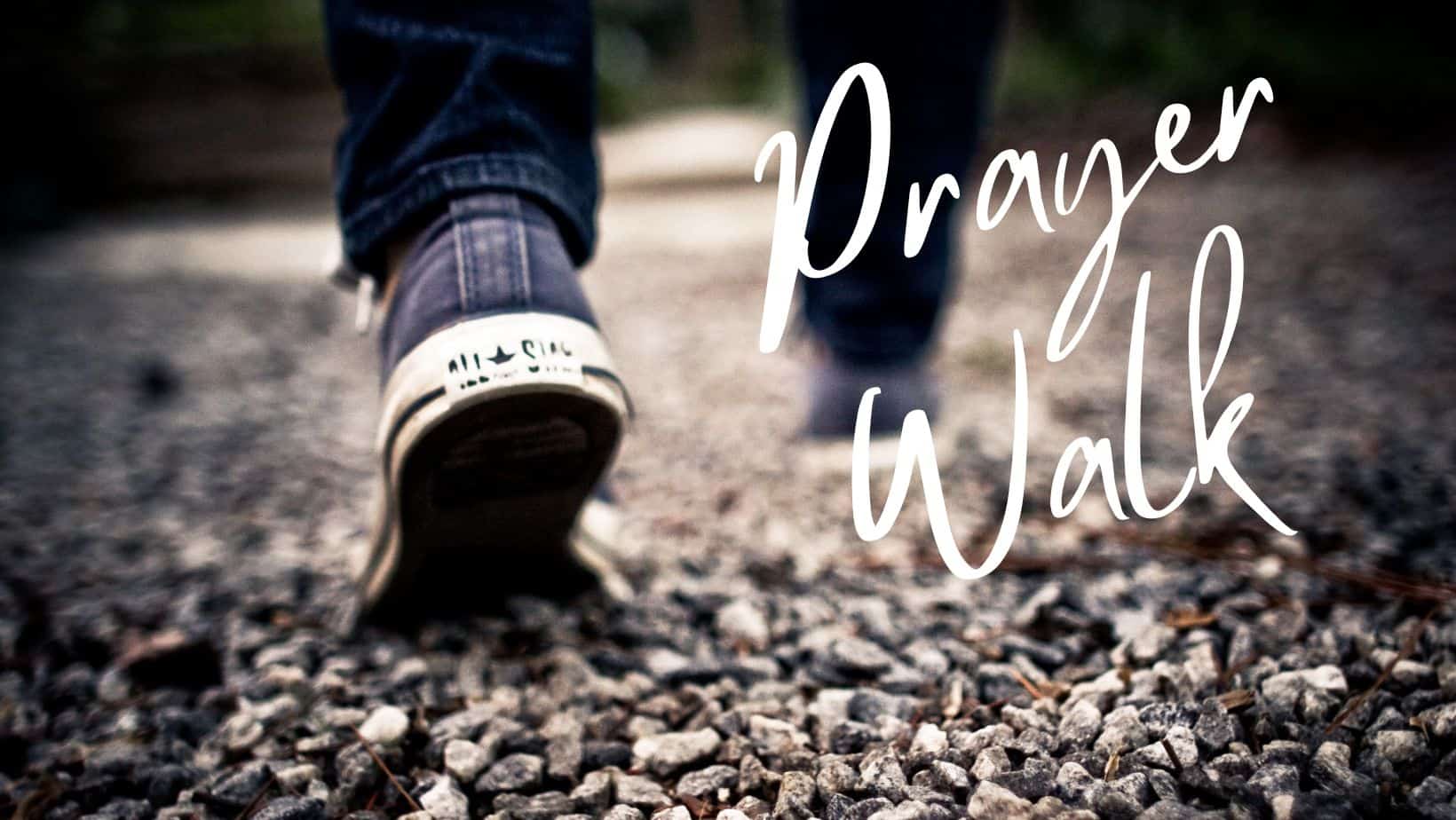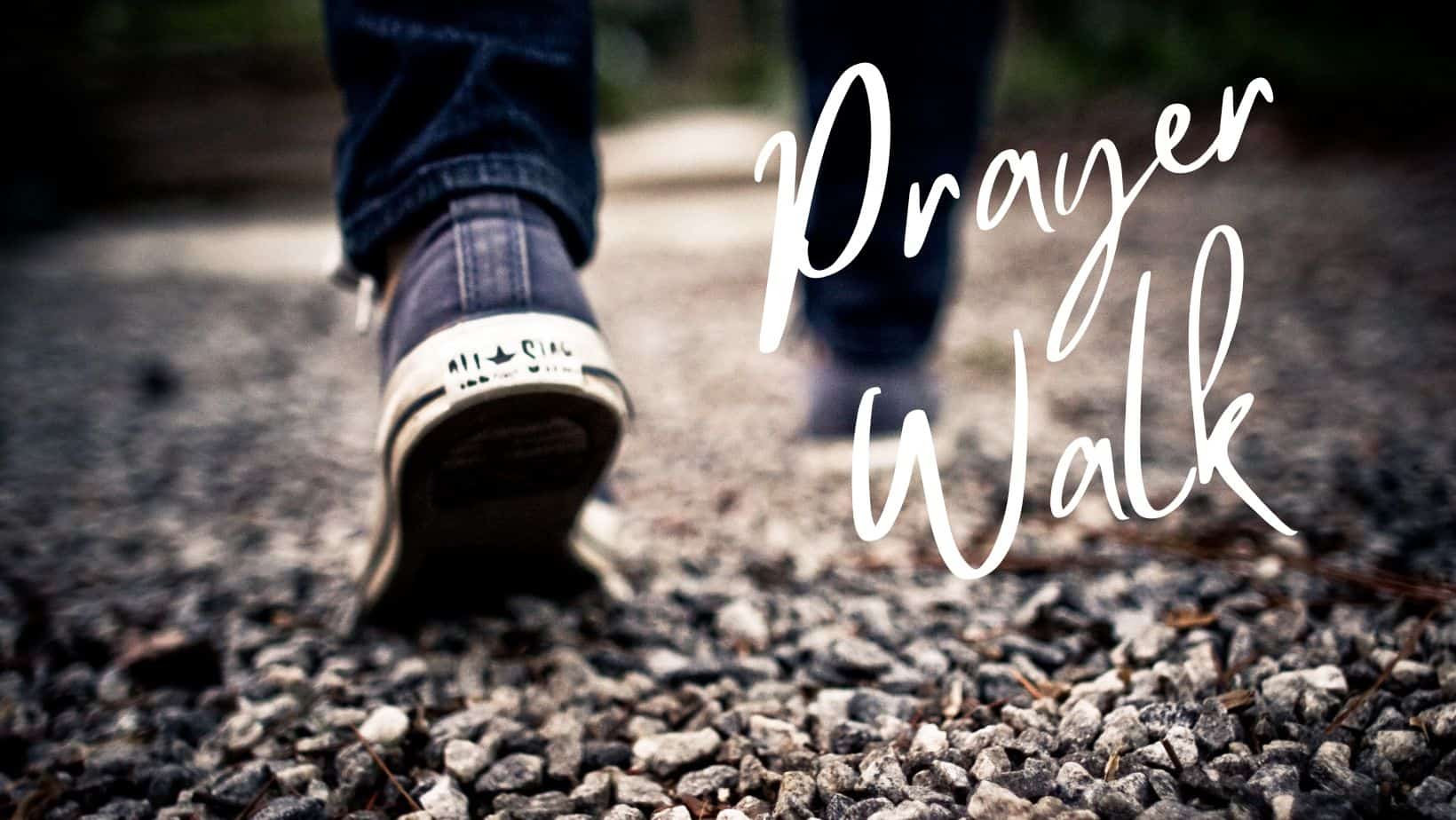
Across bustling sanctuaries and quiet chapels alike, an increasing number of faithful are stepping beyond stained‑glass boundaries to walk side by side in prayer. This emerging practice, often called a “prayer walk,” offers a tangible way to intertwine devotion with the natural world, turning sidewalks, parks, and garden pathways into extensions of worship. While the movement may seem like a fleeting trend, it taps into a deep human longing for embodiment, community, and reverence for creation.
Historical Roots of Sacred Ambulation
Long before the modern megachurch, pilgrims traced ancient routes in search of transcendence. The concept of a sacred walk—be it a peregrination to a distant shrine or a modest circuit around a monastery garden—has been woven into Christian tradition for centuries. Early Desert Fathers spoke of “walking the desert” as a spiritual discipline, while medieval abbeys instructed monks to perform circumambulationes around their cloisters as a form of contemplative exercise. These historical threads illustrate that moving one’s feet while praying is not a novel invention but a revival of an ancestral rhythm that once structured worship.
The Psychology of Walking and Worship
Recent studies in cognitive science reveal that rhythmic ambulation can synchronize neural oscillations, fostering a state of relaxed awareness. When a believer alternates steps with silent petitions, the brain’s default mode network quiets, allowing the mind to settle into deeper reflection. In this sense, each stride becomes a micro‑ritual, an embodied mantra that aligns breath, heartbeat, and intention. The gentle cadence of a prayer walk thus acts as a physiological conduit, easing anxiety and inviting a sense of noetic openness that solitary sitting often cannot achieve.
Community Building Through Shared Steps
A prayer walk transforms individual devotion into a collective pilgrimage, where participants share the same physical path while voicing diverse petitions. This shared trajectory cultivates a palpable fellowship, as each footfall echoes the others’ hopes. Churches that organize such walks often report heightened interpersonal trust, a stronger sense of belonging, and an increased willingness to serve the surrounding neighborhood. The tactile act of walking together reinforces the metaphor that faith is not a solitary climb but a communal journey, each step a stitch in the fabric of shared mission.
Landscape as Liturgical Space
By stepping outside, worshippers extend the church’s liturgical space into the very substrate of everyday life. Streets, trees, and waterways become altar stones, each bearing a latent sacrality that the walk surfaces. The environment, once a backdrop to secular routine, is re‑interpreted as a living icon, inviting participants to perceive divine presence in the rustle of leaves and the warmth of sunlight. This re‑enchantment of ordinary landscapes provides a counter‑narrative to an increasingly technocentric worldview, reminding believers that creation itself can be a sanctuary.
Practical Guidelines for Organizing a Prayer Walk
Successful prayer walks blend intention with logistics. Begin by selecting a route that balances safety, accessibility, and visual interest; aim for a loop that can be completed in twenty to thirty minutes. Provide participants with a simple guide: a central theme (e.g., gratitude, healing, or mission), a few Scripture verses, and a suggested silent‑prayer interval at each designated station. Encourage the use of modest, comfortable footwear, and consider arranging for a brief musical accompaniment—such as a acoustic guitar or a softly spoken chant—to anchor the rhythm. Finally, conclude with a communal gathering, perhaps over light refreshments, allowing reflections to be voiced and recorded for future walks.
Embracing the Mystery: Why Faith Moves
The fascination with prayer walks ultimately points to a deeper yearning: the desire to embody faith beyond the confines of spoken word. In a world that often equates devotion with static pews, the act of walking becomes a dynamic proclamation, a living testament that belief can stride alongside the body. It invites worshippers to experience the holy in motion, to discover that God is not only heard in sermons but felt in the cadence of one’s own footsteps. As churches continue to explore this sacred ambulation, they offer a timeless reminder that spirituality can be as fluid and expansive as the open air.