

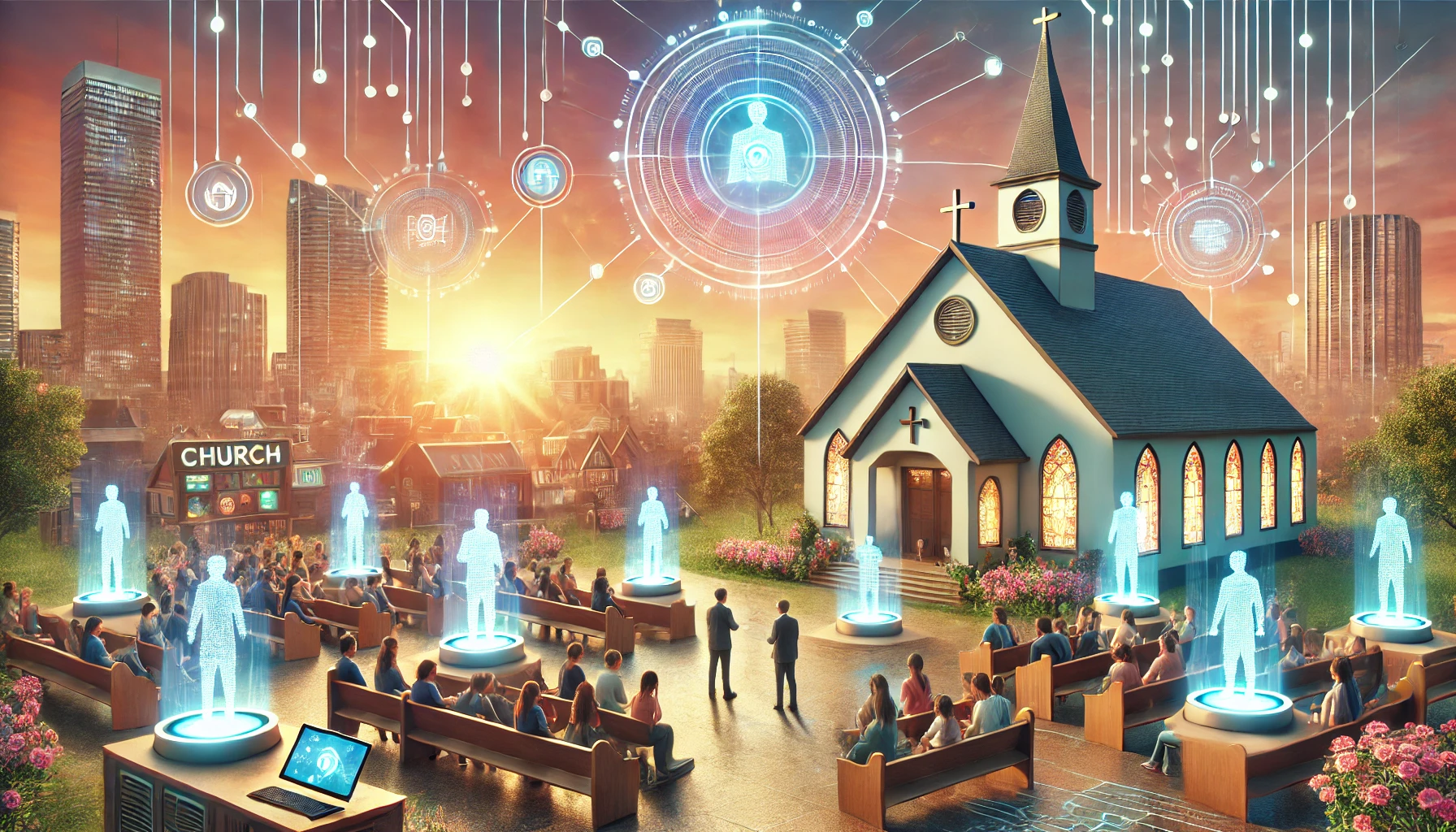
The modern church stands at a crossroads where ancient faith meets digital innovation. In an era where smartphones are as ubiquitous as hymnals, the intersection of technology and ministry is no longer a futuristic fantasy—it is a present-day necessity. Yet, for many congregations, the leap from traditional worship to digital ministry feels like navigating uncharted waters. Why does this transition evoke both excitement and trepidation? Perhaps it’s the fear of losing the sacred in the sacred, or the daunting task of mastering tools that seem to evolve faster than Sunday sermons. But what if technology isn’t just a tool, but a bridge—one that connects hearts across screens and continents, amplifying the message of hope in ways unimaginable a generation ago?
The Digital Pulpit: Why Churches Must Embrace Technology
The digital age has redefined communication, and the church cannot afford to remain a silent observer. Streaming services, social media outreach, and online giving have become as essential as the pulpit itself. Consider the Sunday morning when illness or travel prevents a family from attending—technology ensures they still partake in the service, their spirits nourished by the same Word. But the benefits extend beyond mere attendance. Digital platforms allow churches to transcend geographical boundaries, reaching souls in remote villages or bustling cities alike. The question isn’t whether technology belongs in ministry, but how it can be wielded with intentionality and reverence. The most profound sermons are not confined to four walls; they ripple through the ether, touching lives in the quiet hours of the night when doubt whispers loudest.
Courses for Digital Ministry: Bridging the Knowledge Gap
The path to digital fluency in ministry begins with education. Fortunately, a growing number of courses are designed to equip pastors, volunteers, and tech-savvy congregants with the skills to navigate this new landscape. From introductory workshops on live-streaming to advanced certifications in church management software, these programs demystify the digital realm. Some focus on the technical—teaching how to optimize a website for mobile users or automate email campaigns—while others delve into the theological, exploring how digital spaces can foster authentic community. The best courses don’t just teach tools; they inspire a vision for how technology can deepen discipleship. Imagine a pastor crafting a sermon series with interactive polls, where congregants in pews and pixels alike engage in real-time reflection. Or a youth group using virtual reality to explore biblical sites, turning abstract stories into visceral experiences. The right training transforms technology from a distraction into a conduit for the Gospel.
The Sacred and the Screen: Balancing Innovation with Reverence
Yet, for all its promise, technology in ministry is not without its pitfalls. The risk of superficial engagement looms large—likes and shares replacing genuine connection, or algorithms dictating the reach of a sermon over the Holy Spirit’s leading. How does one maintain the sanctity of worship in an era of notifications and endless scrolling? The answer lies in intentional design. A well-crafted digital ministry strategy prioritizes depth over breadth. It’s not about broadcasting services to the masses, but about curating sacred spaces online where seekers can encounter God without the noise of the world crowding in. Consider the quiet power of a prayer request shared via a private Facebook group, where members lift one another up in the unseen but ever-present company of the Spirit. Or the intimacy of a small-group Bible study held over Zoom, where faces flicker like candlelight in a darkened room. Technology, when wielded with discernment, can amplify the sacred rather than dilute it.
From Livestreams to Legacy: Building a Digital Ministry That Endures
The most effective digital ministries are not built on trends, but on timeless principles. A church’s online presence should reflect its heart—whether that’s through a podcast that delves into the nuances of biblical Greek or a YouTube channel that shares the raw, unfiltered stories of redemption. The goal isn’t to chase viral fame, but to create content that resonates with the eternal questions of humanity: *Where is God in my suffering? How do I find peace in chaos?* The digital footprint of a ministry should be a trail of breadcrumbs leading seekers to the Cross, not a fleeting distraction. This requires more than technical skill; it demands a posture of humility, recognizing that the Holy Spirit is the true author of transformation. The best courses in digital ministry teach this balance—how to leverage technology without losing sight of the divine spark that ignites every soul.
The Future is Hybrid: Why Churches Can’t Choose Between Physical and Digital
The future of the church is not an either/or proposition—it’s a both/and reality. Hybrid worship, blending in-person and online engagement, is no longer a novelty but a necessity. A family on vacation can tune into Sunday service from a beachside café. A homebound senior can join a midweek Bible study without leaving their living room. The church that thrives in this new era is the one that embraces both the tangible and the virtual, the seen and the unseen. This hybrid approach doesn’t diminish the importance of physical gathering; rather, it expands its reach. The early church met in homes and synagogues, but Paul’s letters traveled across continents. Today, a sermon preached in a sanctuary can echo in a thousand living rooms, each listener a potential disciple-maker in their own right. The challenge—and the opportunity—is to create a seamless experience where the digital and physical worlds complement rather than compete with one another.
Overcoming the Fear: A Call to Courageous Innovation
Yet, even with the best resources at hand, fear can paralyze. The fear of irrelevance, of failure, of losing the essence of what it means to be the church. But consider the early Christians, who spread the Gospel across the Roman Empire with nothing but parchment and perseverance. They didn’t wait for the perfect moment or the perfect tools—they used what they had to proclaim what they believed. Today’s church stands on the same precipice of opportunity. The tools are different, but the mandate is the same: *Go and make disciples.* Technology is not the enemy of tradition; it is a new frontier for the timeless work of the Kingdom. The courses, the platforms, the strategies—these are merely the vessels. The real transformation happens when hearts open to the possibility that God is already at work in the digital realm, waiting to meet His people in the spaces they inhabit most.

