

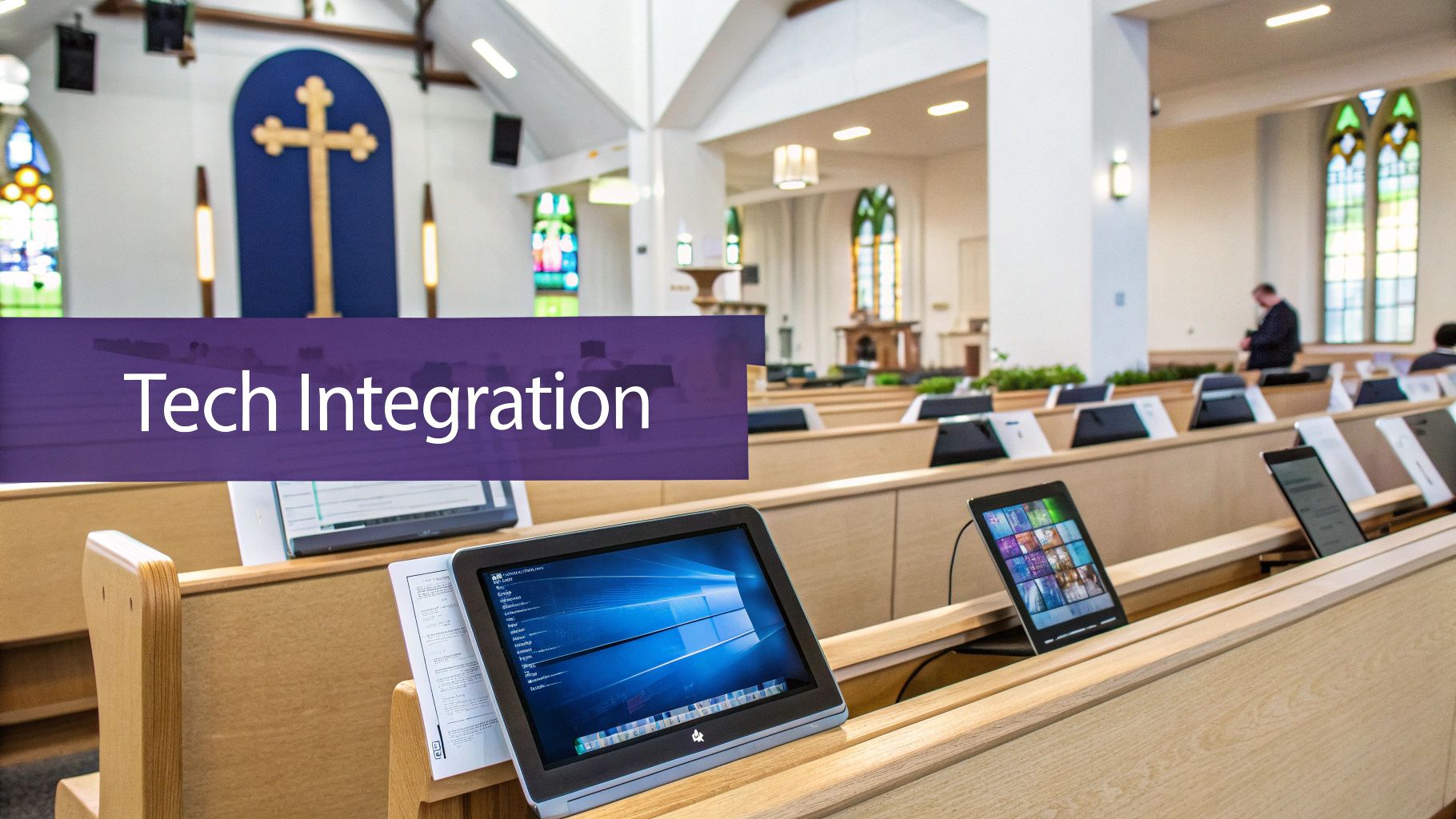
What if your church’s digital ministry could thrive not just in the pulpit or the pews—but on a vibrant, visual platform where ideas spread like wildfire? Imagine a place where sermon snippets become shareable pins, where community outreach transforms into a scrollable feast of inspiration, and where the gospel meets the grid in a symphony of pixels and purpose. Welcome to the world of Pinterest Boards for Digital Ministry—a digital canvas where faith meets creativity, and connection transcends the Sunday service.
The Digital Mission Field: Why Pinterest Matters for Churches
In an era where attention spans flicker like candle flames, churches must adapt or risk fading into the background noise. Pinterest isn’t just for DIY crafts and wedding inspiration—it’s a thriving ecosystem where 465 million users actively seek inspiration, guidance, and community. For churches, this platform offers an unparalleled opportunity to plant seeds of faith in the fertile soil of curiosity. Unlike fleeting social media posts, Pinterest boards are evergreen, quietly growing in reach long after the initial pin drops. A well-curated board can become a 24/7 digital missionary, guiding seekers toward spiritual nourishment without a single sermon preached in person.
But here’s the playful challenge: How do you turn a static bulletin board into a dynamic, engaging digital ministry hub? The answer lies in storytelling through visuals. Pinterest thrives on emotion, aspiration, and practicality—so your boards must do the same. A sermon series on grace? Pair it with infographics on forgiveness. A youth group’s mission trip? Share candid snapshots of laughter and service. The key is to blend inspiration with action, creating a visual sermon that whispers, “Come and see.”
Crafting Your Church’s Digital Vision Board
Before you dive into pinning, pause and ask: What does your church’s digital ministry look like in its most vibrant form? A vision board isn’t just for creative types—it’s a strategic blueprint for your online presence. Start by defining your audience. Are you reaching young families? Empty-nesters? College students? Each group has unique visual languages—bright, playful pins for kids’ ministry, serene landscapes for meditation-focused content, or bold typography for bold theological truths.
Next, consider the themes that align with your church’s mission. A board titled “Faith in Action” could feature volunteer spotlights, while “Sacred Spaces” might showcase your sanctuary’s architecture or local nature retreats. Don’t shy away from niche topics—perhaps a “Biblical Gardening” board for those who find God in creation, or a “Prayer Prompts for Busy Moms” board for overwhelmed parents. The more specific your boards, the more they’ll resonate with the right audience.
Here’s a pro tip: Use keywords in your board titles and descriptions. Pinterest is a search engine, after all. Instead of “Church Stuff,” try “Finding Peace in Scripture: A Bible Study Journey.” This small tweak can transform your boards from hidden gems into discoverable treasures.
The Art of the Pin: Designing for Impact
Pinterest is a visual playground, but not all pins are created equal. The most effective pins are a blend of art and utility—beautiful enough to stop the scroll, useful enough to earn a save. Start with high-quality images: crisp photos of your church’s events, custom graphics with readable fonts, or even short video clips (Pinterest loves video!). Canva and Adobe Spark are your allies here, offering templates tailored for the platform’s 2:3 aspect ratio.
Text overlays are your secret weapon. A pin with a bold, concise headline—like “5 Prayers for When Life Feels Heavy”—will outperform a generic image every time. But here’s the twist: Keep it conversational. Pinterest users crave authenticity, not preachiness. A pin that reads “Struggling with doubt? You’re not alone.” feels like a friend’s gentle nudge, not a sermon.
Don’t forget the power of vertical pins. Pinterest favors tall images (ideally 1000×1500 pixels) because they dominate the mobile feed. A single vertical pin can become a mini-sermon, a devotional thought, or a call to action—all in one scroll-stopping image. And if you’re feeling adventurous, try Idea Pins (Pinterest’s version of Stories) to share multi-slide narratives, behind-the-scenes footage, or even a mini Bible study series.
From Pins to Purpose: Driving Engagement and Connection
Creating boards is just the beginning. The real magic happens when pins spark conversations, clicks, and conversions. To foster engagement, invite your congregation to contribute. A “Member Testimonies” board where parishioners share their faith journeys can become a powerful witness. Or host a “Pin It Forward” challenge, encouraging followers to repin your content with their own reflections.
But here’s the playful dilemma: How do you balance inspiration with action? Pinterest is a top-of-funnel platform—users come for ideas, not sermons. So, your pins should tease, not preach. A pin titled “The Secret to a Less Stressed Life” could link to a blog post on biblical rest, while a “Family Devotions Made Simple” pin might direct users to a free downloadable guide. The goal is to guide seekers from curiosity to your church’s website, events, or even in-person services—without ever feeling like a hard sell.
Another challenge? Standing out in a sea of generic church content. The solution? Infuse your pins with your church’s unique personality. If your congregation is known for its humor, lean into memes or lighthearted graphics. If you’re a liturgical church, lean into sacred art and historical themes. Authenticity is the currency of digital ministry, and Pinterest rewards those who dare to be unapologetically themselves.
Measuring Success: The Numbers Behind the Ministry
You can’t improve what you don’t measure, and Pinterest offers robust analytics to track your digital ministry’s impact. Monitor which pins get the most saves and clicks—these are your golden tickets to understanding what resonates. A high save rate? That’s your audience saying, “Tell me more.” A spike in clicks to your website? That’s the Holy Spirit working through algorithms.
But don’t get lost in vanity metrics. The true measure of success isn’t just likes or repins—it’s changed lives. Are people downloading your sermon notes? Signing up for small groups? Attending events? Use Pinterest as a bridge, not a destination. Track conversions by setting up UTM parameters in your links or using Pinterest’s built-in conversion tracking. And remember, some seeds take years to sprout. A pin from two years ago might suddenly go viral when someone’s friend is searching for hope. Patience is a virtue in digital ministry.
The Future of Faith on Pinterest
As technology evolves, so too will the ways churches engage online. Imagine AI-curated boards that adapt to users’ spiritual needs, or augmented reality pins that transport viewers to biblical landscapes. The future of digital ministry isn’t just about being present—it’s about being innovative. Pinterest is already experimenting with shopping integrations; could we see “Sermon Series Merch” or “Bible Study Kits” in the future? The possibilities are as limitless as God’s creativity.
Yet, amid the pixels and algorithms, never lose sight of the heart behind the ministry. Pinterest is a tool, not a replacement for community. It’s a megaphone, not a pulpit. The goal isn’t to amass followers but to make disciples—one pin, one click, one conversation at a time. So go ahead, create that board. Pin that sermon graphic. Share that devotional thought. Your digital ministry isn’t just about reaching the world—it’s about inviting the world into the story God is writing through your church.

