

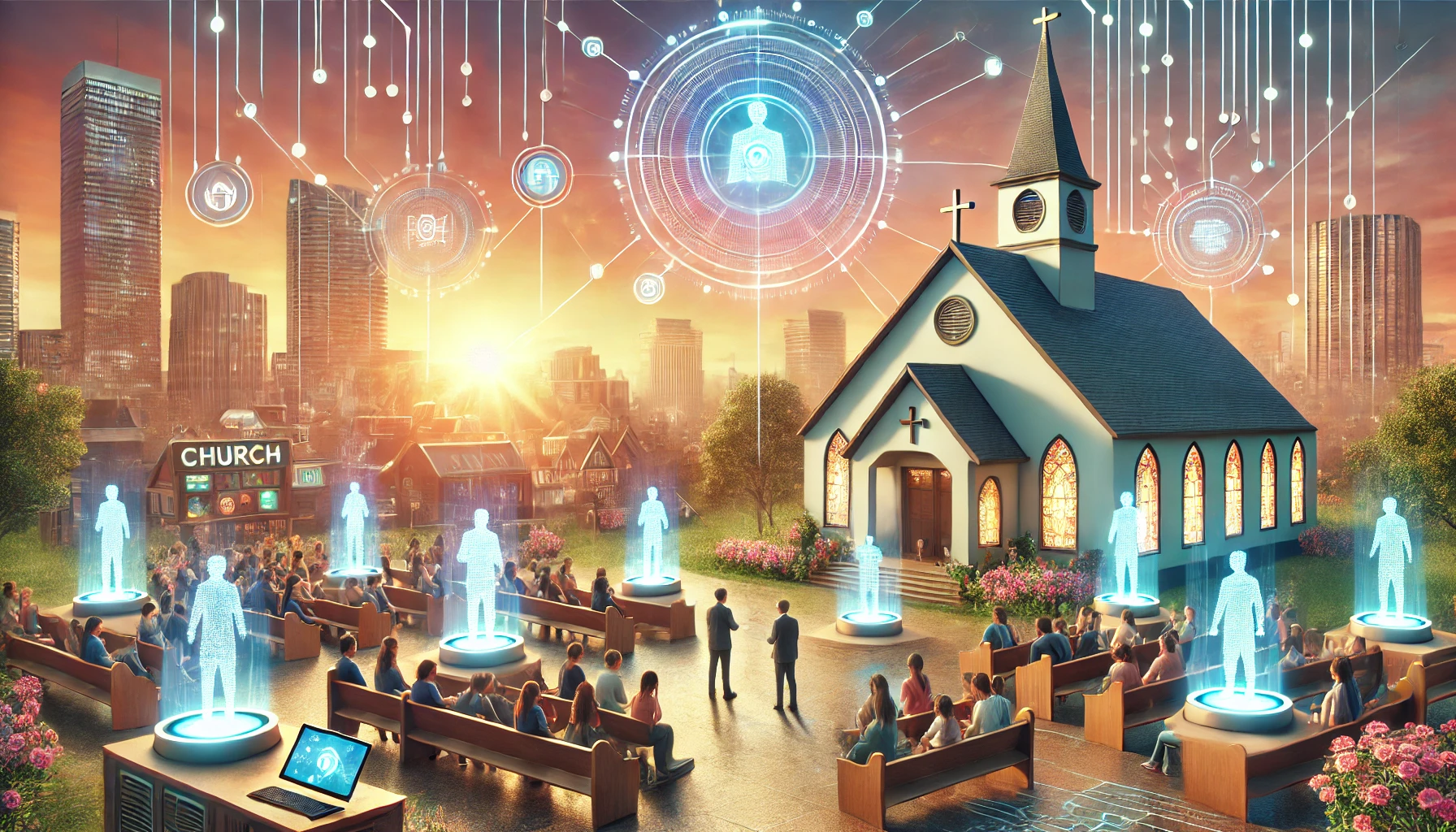
In the quiet hum of a sanctuary, where stained glass filters the morning light into kaleidoscopic hues, a new kind of hymn is rising—not from the organ’s resonant chords, but from the rhythmic pulse of a TikTok feed. The digital age has not silenced the church; it has amplified its voice, transposing ancient truths into a language that resonates with the heartbeat of a generation scrolling through endless streams of content. What happens when the timeless mission of the church meets the fleeting scroll of a smartphone screen? The answer is reshaping ministry itself.
The Digital Pulpit: Where Faith Meets the Algorithm
Imagine a pastor, not standing behind a mahogany pulpit, but leaning into a smartphone camera, delivering a 60-second sermon framed by the glow of a ring light. The digital pulpit is no metaphor—it’s a reality unfolding in churches across the globe. TikTok, with its 1 billion monthly active users, has become an unlikely sanctuary for spiritual seekers, a place where faith is not preached in isolation but discovered in the midst of distraction. The platform’s algorithm, often criticized for its addictive nature, is now being harnessed as a tool for evangelism, discipleship, and community-building. Short, punchy videos—whether a Bible verse set to trending audio, a testimony shared in under a minute, or a worship lyric that lingers long after the screen fades—are breaking down barriers that once separated the pew from the pavement. The church is no longer confined to its four walls; it’s a living, breathing entity in the digital agora, speaking in the vernacular of the day.
From Scroll to Salvation: The Power of Micro-Moments
In the world of TikTok, attention spans are measured in seconds, yet the impact of a well-crafted video can echo for lifetimes. These “micro-moments” of engagement—where a user pauses mid-scroll to watch, like, or share—are the new frontiers of ministry. A 15-second clip of a worship leader singing an old hymn with a modern twist might be the first step toward spiritual awakening for someone who has never stepped inside a church. A quick tutorial on how to pray, shared in a relatable, conversational tone, can demystify faith for the curious but hesitant. The beauty of TikTok lies in its ability to meet people where they are—literally. Whether they’re waiting in line at a coffee shop, scrolling before bed, or killing time during a lunch break, the church is now just a tap away. The challenge? Crafting content that doesn’t just fill a feed but fills a soul.
The Viral Witness: When Faith Goes Viral
There’s a certain magic in watching a message spread like wildfire. A TikTok account dedicated to sharing stories of redemption, miracles, or simple acts of kindness can go from zero to thousands of followers in a matter of days. The viral witness is not just about numbers—it’s about the ripple effect of hope. Consider the account that posts daily Bible verses in a visually stunning format, paired with a voiceover that feels like a friend sharing a secret. Or the youth pastor who uses humor and pop culture references to explain complex theological concepts. These accounts are not just broadcasting; they’re building communities. They’re creating spaces where questions are welcomed, doubts are aired, and faith is explored without judgment. In a world where skepticism often trumps belief, TikTok is proving that faith can be both relevant and relatable.
Ethics in the Algorithm: Navigating the Shadows of Digital Ministry
Yet, with great reach comes great responsibility. The same algorithm that can catapult a message of hope into the spotlight can also amplify misinformation, superficial spirituality, or even exploitation. The ethics of digital ministry demand a delicate balance—between authenticity and sensationalism, between engagement and exploitation. How does a church ensure that its TikTok presence is a beacon of truth rather than a flashy distraction? The answer lies in intentionality. Content must be rooted in Scripture, not just trends. Transparency should be the cornerstone, not just a marketing tactic. And above all, the human element must remain—real stories, real struggles, real grace. The digital pulpit is not a replacement for the physical church, but a complement, a way to extend the reach of the gospel without diluting its depth.
The Future of Worship: Blending Pixels and Prayers
What does the future hold for churches and TikTok? The possibilities are as vast as the digital landscape itself. Imagine live-streamed worship services where viewers can interact in real-time, asking questions or sharing prayer requests. Picture a TikTok account that offers daily devotions, complete with interactive elements like polls or quizzes to deepen engagement. Envision a youth ministry using the platform to host virtual Bible studies, where teens from different continents can gather in a shared digital space to explore faith together. The future of worship is not a binary choice between tradition and technology—it’s a fusion, a symphony where the old and the new harmonize. The church that embraces this fusion will not only survive the digital age but thrive within it, speaking a language that resonates with the hearts of a new generation.
Conclusion: A New Chapter in the Story of Faith
The intersection of church and technology is not a passing trend—it’s a seismic shift in how faith is lived, shared, and experienced. TikTok, with its chaotic energy and boundless creativity, is more than a platform; it’s a mission field. It’s a place where the timeless message of the gospel is being translated into the language of the day, where the walls of the church are dissolving into the pixels of a screen. For those willing to step into this digital frontier, the rewards are profound: souls reached, lives transformed, and a faith that refuses to be confined. The question is no longer whether the church should engage with technology, but how it will rise to the challenge of this new era—with wisdom, with courage, and with an unshakable belief that the gospel, in any form, is still the power of God for salvation.

