

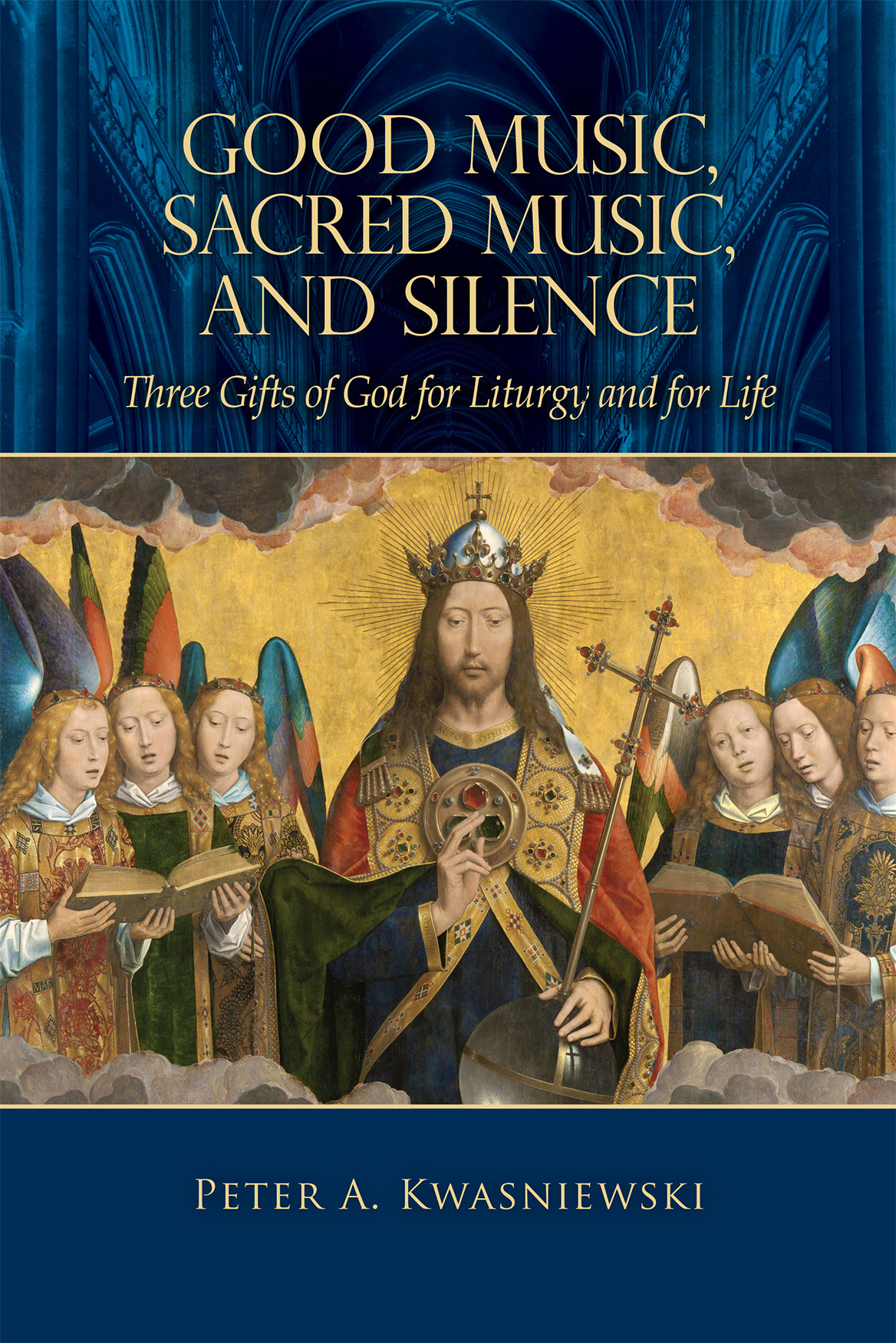
What if the key to unlocking deeper worship in the Church wasn’t found in hymnals or stained-glass windows, but in the quiet pages of a well-worn book? Music and liturgy are the heartbeat of Christian worship, yet their depth often remains untapped. How do we bridge the gap between tradition and innovation, between the sacred and the contemporary? The answer may lie in the pages of books that explore the intersection of faith, music, and ritual. These works don’t just instruct—they inspire, challenge, and even provoke. They ask us to reconsider what it means to worship, to sing, and to commune with the divine through sound and symbol.
The Sacred Score: How Music Shapes the Soul of Worship
Music is more than a backdrop for liturgy—it is the language of the soul. From Gregorian chants echoing through medieval cathedrals to the electric guitar riffs of modern worship bands, music has always been a vessel for transcendence. But what makes music truly sacred? Is it the lyrics, the melody, or the way it stirs the heart? The answer is all of the above, but with a twist: the most powerful sacred music doesn’t just fill the air—it transforms the listener. It invites participation, not just observation. It demands engagement, not passive listening. Books on this subject often explore how music can elevate worship from routine to revelation, turning a Sunday service into a moment of divine encounter.
Consider the role of hymns. These aren’t just songs; they are theological statements set to melody. A well-crafted hymn can distill centuries of doctrine into a few verses, making complex truths accessible and memorable. Yet, not all hymns are created equal. Some lift the spirit, while others feel hollow. The difference lies in their craftsmanship—both lyrically and musically. The best hymns balance poetic beauty with theological depth, ensuring that every note and word serves a higher purpose. For those seeking to deepen their understanding, books that dissect the art of hymnody reveal how music and theology intertwine, creating a tapestry of faith that resonates across generations.
The Liturgy of the Page: Why Ritual Matters in Worship
Liturgy is the skeleton of worship—the framework that holds everything together. But it’s so much more than a script. It’s a dance between the sacred and the ordinary, a choreography of gestures, words, and symbols that guide the faithful toward the divine. Yet, liturgy is often misunderstood. Some see it as rigid and outdated, a relic of a bygone era. Others embrace it as the very essence of worship, a timeless tradition that connects them to saints and sinners across centuries. The truth? Liturgy is neither static nor stifling—it is alive, evolving, and deeply personal.
Books on liturgy often pose a playful yet profound question: What if the rituals we perform every Sunday are not just obligations, but invitations? An invitation to pause, to reflect, to step out of time and into the eternal. The liturgy of the Eucharist, for example, is not merely a symbolic act—it is a mystical participation in the sacrifice of Christ. The words, the incense, the kneeling—all of it is designed to draw the worshipper into a deeper encounter with God. Yet, without understanding, liturgy can feel like a performance rather than a prayer. The challenge, then, is to rediscover the poetry and power of ritual, to see it not as a burden but as a gift.
The Modern Paradox: Tradition vs. Innovation in Worship Music
Here’s a conundrum: How do we honor the past while embracing the future? The Church has always been a place of tension between tradition and innovation, and nowhere is this more evident than in worship music. On one side, there are those who cling to the familiar hymns of old, arguing that their theological richness and historical weight make them irreplaceable. On the other, there are those who champion contemporary music, seeing it as a way to reach younger generations and make worship feel relevant. But what if the real issue isn’t tradition versus innovation, but authenticity versus gimmickry?
Books that tackle this subject often highlight a critical challenge: the pressure to conform. Whether it’s the demand for “modern” worship or the insistence on “traditional” hymns, the Church can sometimes lose sight of its true purpose—to worship God in spirit and truth. The most compelling worship music, whether ancient or modern, shares one thing in common: it points beyond itself to the divine. It doesn’t draw attention to the performer or the style; it draws attention to the object of worship. The challenge for today’s Church is to cultivate a musical culture that values both heritage and creativity, ensuring that worship remains a living, breathing expression of faith—not a museum piece or a pop concert.
The Silent Partner: The Role of Silence in Sacred Music
In a world that never stops talking, silence is a radical act. Yet, in worship, silence is not absence—it is presence. It is the space between notes where the soul can breathe, where the heart can listen. Sacred music, no matter how grand or intricate, is incomplete without moments of quiet. These pauses are not accidental; they are intentional. They are the spaces where the divine can speak, where the worshipper can reflect, where the noise of the world fades into the background.
Books that explore this topic often challenge the assumption that worship must always be loud, always be filled with sound. What if the most powerful moments in a service are the ones where nothing is said, nothing is sung? Silence in worship is not emptiness—it is fullness. It is the space where God’s voice can be heard above the clamor of our own words and songs. The challenge for musicians and worship leaders is to embrace silence as a tool, not an afterthought. To recognize that sometimes, the most sacred music is the music we don’t play.
The Future of Worship: A Call to Rediscovery
The Church stands at a crossroads. The way we worship today may not be the way we worship tomorrow. But one thing is certain: the essence of worship—its power to transform, to inspire, to unite—remains unchanged. The books we read, the music we sing, the rituals we perform are not just traditions; they are lifelines. They connect us to the past, ground us in the present, and propel us toward the future.
So, what’s the next step? It’s not about discarding the old or blindly embracing the new. It’s about asking the right questions. How can we make worship more participatory? How can we ensure that our music and liturgy are not just beautiful, but meaningful? How can we create spaces where silence speaks louder than words? The answers won’t come from a single book or a single style of music. They will come from a willingness to explore, to question, and to listen—not just with our ears, but with our hearts.
The journey of worship is not a straight path. It’s a winding road, full of detours and unexpected turns. But along the way, we’ll find that the most profound moments aren’t the ones we plan—they’re the ones we stumble upon. And perhaps, in those moments, we’ll realize that the music, the liturgy, the silence—all of it was leading us to something greater all along.

