

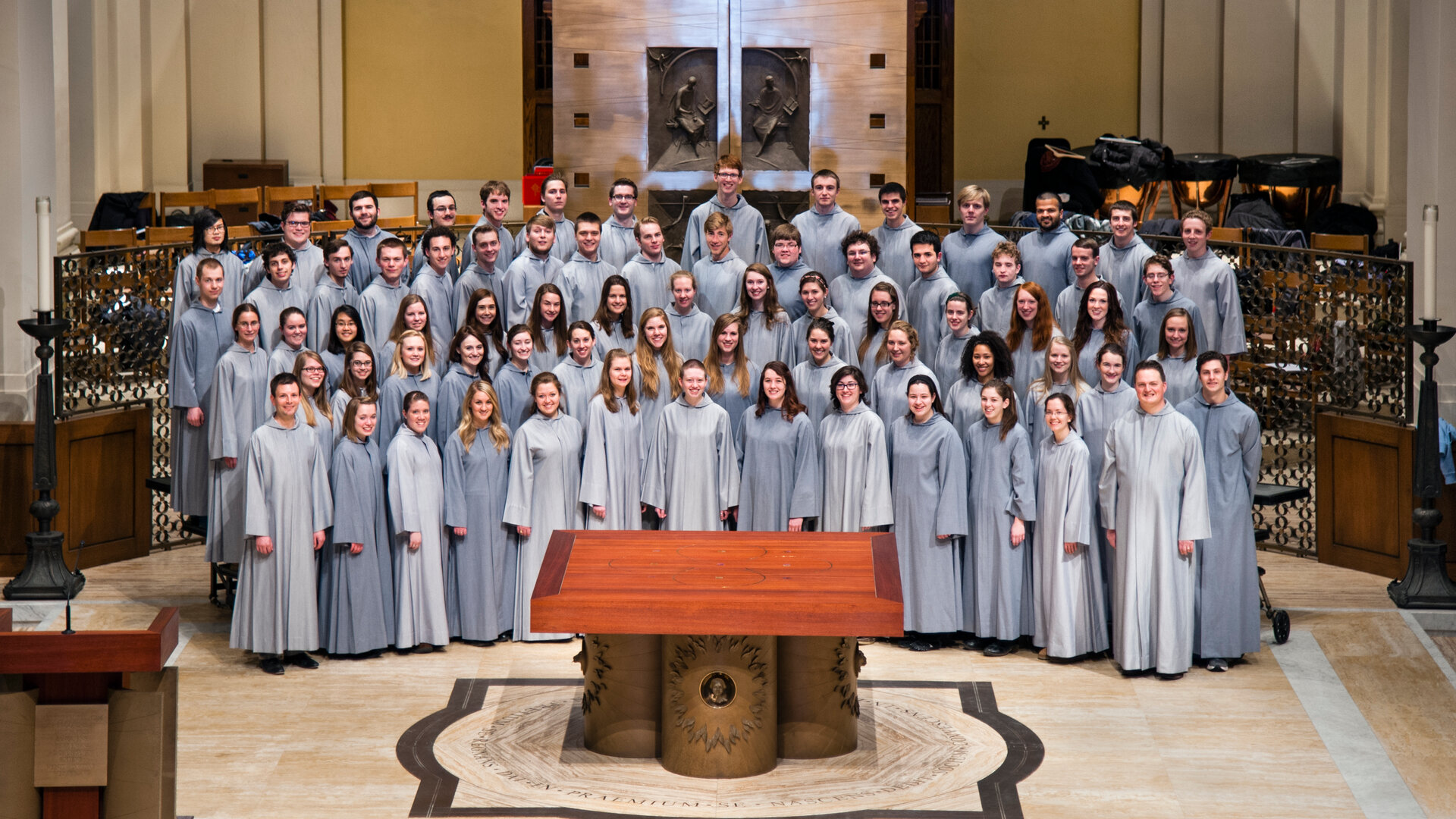
In the sacred hush of a cathedral’s nave, where light filters through stained glass like liquid gold, music and liturgy intertwine to elevate the soul. The act of worship is not merely a ritual—it is a symphony of devotion, where every hymn, every chant, and every instrumental flourish becomes a vessel for divine encounter. Whether you are a seasoned liturgist, a choir director seeking fresh inspiration, or a congregant yearning to deepen your spiritual connection, the resources available to enrich church music and liturgical practice are as vast as they are profound. From ancient plainsong to contemporary worship anthems, the landscape of sacred music offers tools to transform gatherings into transcendent experiences. This guide explores the multifaceted world of church and worship resources, illuminating pathways to elevate your ministry through thoughtfully curated music, liturgical frameworks, and communal engagement.
The Timeless Allure of Liturgical Music: A Bridge Between Heaven and Earth
Liturgical music is not a mere accompaniment to worship—it is the heartbeat of the liturgy itself. The chants of Gregorian plainsong, with their ethereal monophony, have echoed through centuries, carrying the prayers of the faithful like incense rising to the heavens. These melodies, devoid of modern harmonic complexity, possess an unparalleled power to center the worshipper in the mystery of God’s presence. Yet, the tradition is not static; it breathes and evolves. Contemporary composers have reimagined ancient forms, infusing them with harmonic richness and rhythmic vitality while preserving their sacred essence. Hymnals like Glory to God and Worship & Song serve as repositories of this living tradition, offering settings that resonate with both historical reverence and modern sensibilities. For those seeking to cultivate a liturgical aesthetic that honors the past while embracing the present, these collections provide a treasure trove of arrangements, from the stately dignity of a Kyrie to the jubilant exuberance of a Gloria.
Choir as Catalyst: Elevating Worship Through Collective Voice
A choir is more than a group of singers—it is a microcosm of the Body of Christ, a living testament to the beauty of unity in diversity. The role of the choir extends far beyond performance; it is a ministry of proclamation, a vessel for the Word made audible. Whether leading the congregation in hymnody or presenting an anthem that stirs the spirit, choirs have the power to transform a service from a routine gathering into a sacred spectacle. Resources such as Cantica Nova and The Westminster Cathedral Choir Book offer choral works that span the gamut of liturgical seasons, from the penitential austerity of Advent to the exultant triumph of Easter. Directors seeking to cultivate a choir’s artistry will find invaluable guidance in texts like Choral Concepts for Church Musicians, which delves into vocal technique, rehearsal strategies, and the theological dimensions of choral leadership. The choir’s voice, when nurtured with intentionality, becomes a conduit for the Holy Spirit, drawing worshippers into a deeper encounter with the divine.
Hymnody as Theological Palette: Painting Faith in Sound
Hymns are the poetry of the Church, distilled into melody and verse. They are not merely songs to be sung but theological treatises set to music, conveying doctrine, history, and personal devotion in a form that lingers in the memory long after the final note fades. The hymnal is thus a library of faith, a curated selection of texts that have shaped generations of believers. Modern hymnals like The Faith We Sing and Lift Up Your Hearts expand this tradition, incorporating global hymnody, Taizé chants, and contemporary worship songs that reflect the diversity of Christ’s body. For those tasked with selecting hymns, resources such as Hymnary.org provide searchable databases that allow users to explore hymns by theme, scriptural reference, or liturgical season. The art of hymn selection is a delicate balance—harmonizing theological depth with congregational accessibility, ensuring that each song serves the liturgy rather than overshadowing it. A well-chosen hymn can illumine a sermon, underscore a prayer, or prepare the heart for the Eucharist, making it an indispensable tool in the worship leader’s arsenal.
Liturgical Planning: Crafting a Sacred Narrative
Worship is not a series of disconnected moments but a cohesive narrative, a journey that unfolds with intentionality. Liturgical planning is the art of orchestrating this journey, ensuring that each element—from the call to worship to the benediction—flows seamlessly into the next. Resources like The Book of Common Worship and The Lutheran Book of Worship provide comprehensive lectionary-based outlines, complete with suggested prayers, psalm settings, and musical cues. For those seeking a more flexible approach, digital tools such as Planning Center Services and WorshipPlanning.com offer customizable templates that adapt to the unique needs of a congregation. The key to effective liturgical planning lies in discernment—listening to the Holy Spirit’s leading while remaining attentive to the spiritual rhythms of the community. A well-planned service does not merely inform the mind; it forms the heart, guiding worshippers through the arc of salvation history from creation to consummation.
Technology in Worship: Amplifying the Sacred in the Digital Age
The digital revolution has transformed the way we engage with worship, offering tools that enhance accessibility, creativity, and connection. From projection software that displays lyrics and liturgical texts to digital audio workstations that allow for the creation of custom arrangements, technology has become an indispensable ally in modern liturgical ministry. Platforms like ProPresenter and MediaShout streamline the presentation of hymns, readings, and visuals, ensuring that every element of the service is presented with clarity and beauty. For those seeking to incorporate recorded music or livestream services, tools like StreamYard and OBS Studio provide the means to broadcast worship to a global audience. Yet, technology must always serve the sacred, never supplanting the human element of worship. The goal is not to replace the incarnational presence of the gathered community but to extend its reach, inviting the faithful into deeper communion regardless of physical boundaries.
Cultivating a Culture of Musical Discipleship
Worship music is not solely the domain of professionals; it is the vocation of every believer. Cultivating a culture of musical discipleship means equipping the congregation to sing with confidence, understanding, and joy. Resources such as Music in the Ministry of the Church and The Hymnal Companion offer insights into the pedagogical dimensions of church music, from teaching hymns to children to nurturing adult choirs. Workshops, masterclasses, and mentorship programs can further this mission, providing spaces where musicians of all skill levels can grow in their craft and their faith. The ultimate aim is to foster a worshipping community where music is not a performance but a participation—a shared act of praise that binds hearts together in the love of Christ.
Global Harmonies: Embracing Diversity in Sacred Music
The Church is catholic—not only in the sense of universality but in its embrace of the world’s musical traditions. Global hymnody offers a kaleidoscope of sounds, from the rhythmic vitality of African spirituals to the haunting melodies of Byzantine chant, from the intricate harmonies of South American folk masses to the meditative simplicity of Japanese Taizé-inspired songs. Incorporating these traditions into worship is not merely an exercise in cultural appreciation; it is a theological act, a visible sign of the Church’s unity in diversity. Resources like Global Songs for Worship and Songs of the People of God provide a starting point for exploring these rich traditions, offering arrangements that honor their origins while making them accessible to Western congregations. By weaving global music into the liturgical fabric, worship leaders can create a tapestry of sound that reflects the manifold wisdom of God’s kingdom.
Conclusion: The Ongoing Composition of Worship
The work of crafting worship is never finished. It is an ongoing composition, a dynamic interplay of tradition and innovation, of silence and sound, of the individual and the communal. The resources available to the church musician and liturgist are as boundless as the creativity of the Holy Spirit, who broods over the face of the deep and calls forth beauty from chaos. Whether through the meticulous planning of a liturgical calendar, the nurturing of a choir’s voice, or the incorporation of global hymnody, the goal remains the same: to create spaces where heaven and earth meet, where the Word becomes flesh in the act of praise. In this sacred endeavor, every note, every word, every gesture is an offering—an echo of the eternal hymn that resounds in the courts of heaven.

