

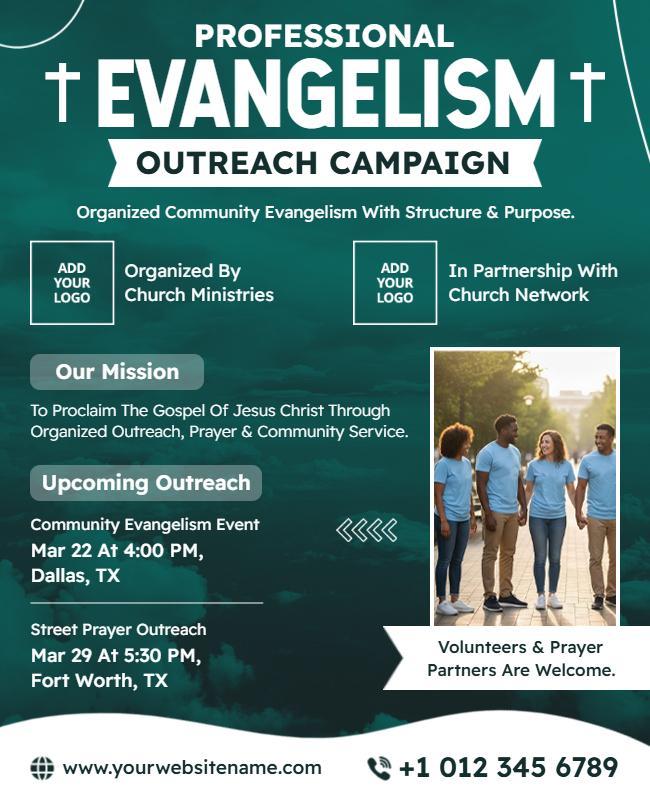
In the heart of every thriving community lies a church that doesn’t just exist—it actively engages, inspires, and transforms. A church outreach campaign isn’t merely a strategy; it’s a lifeline to those searching for meaning, connection, and hope. Whether you’re a seasoned pastor or a passionate volunteer, launching a campaign that resonates with your congregation and the wider community requires more than good intentions—it demands creativity, intentionality, and a deep understanding of the human spirit. This guide will walk you through the essentials of crafting an outreach campaign that doesn’t just reach people but touches their souls.
The Foundation: Defining Your Campaign’s Purpose and Audience
Before you design a single flyer or draft a social media post, pause and ask: Why are we doing this? A church outreach campaign must begin with a clear, compelling purpose. Is it to welcome newcomers, address a social issue, or celebrate a milestone in your faith community? Clarity in purpose shapes every subsequent decision—from the tone of your messaging to the channels you choose.
Next, define your audience. Are you reaching out to young families, college students, or perhaps the elderly in your neighborhood? Each demographic has unique needs, preferences, and communication styles. A campaign targeting millennials might leverage Instagram stories and podcasts, while one aimed at seniors could focus on local newspaper ads and community bulletin boards. The more specific you are, the more effective your outreach will be.
Crafting Compelling Messaging: Words That Stir the Soul
Words have the power to bridge divides, heal wounds, and ignite change. Your campaign’s messaging should be more than informative—it should be transformative. Start with a central theme that encapsulates your campaign’s heart. For example, if your focus is on community service, a theme like “Love in Action: Serving Together” could resonate deeply.
Use storytelling to make your message tangible. Share real-life testimonies of how your church has impacted lives. A single story of a family finding shelter through your outreach program can speak louder than a dozen statistics. Pair these narratives with vivid, evocative language. Instead of saying “We help the homeless,” try “We walk alongside those who’ve been forgotten, offering not just a meal but a hand to hold.”
Don’t shy away from vulnerability. Acknowledge struggles—yours and your community’s. Authenticity builds trust, and trust opens doors.
Designing Visuals That Captivate and Connect
A picture is worth a thousand sermons. The visual elements of your campaign—flyers, social media graphics, banners—should be more than eye-catching; they should be soul-stirring. Begin with a cohesive color palette that reflects the emotions you want to evoke. Warm tones like gold and deep blue can convey hope and trust, while vibrant reds might energize and inspire action.
Typography matters too. Choose fonts that are legible yet expressive. A bold, modern sans-serif might work for a youth-focused event, while an elegant serif could suit a traditional service. Balance text and imagery to avoid overwhelming your audience. A well-designed flyer, for instance, might feature a striking photograph of a diverse group of people smiling together, with minimal text overlaying it.
Consider accessibility. Ensure your designs are inclusive—use high-contrast colors for readability, provide alt-text for images, and offer materials in multiple languages if your community is multilingual.
Choosing the Right Channels: Where to Plant Your Message
The medium is as important as the message. In today’s fragmented media landscape, you must strategically select channels that align with your audience’s habits. Social media remains a powerhouse, but not all platforms are created equal. Instagram and TikTok thrive on visual storytelling, making them ideal for youth engagement, while Facebook’s older demographic might respond better to event pages and live streams.
Don’t overlook the power of offline channels. Local radio stations, community bulletin boards, and even grocery store flyer racks can reach people who aren’t digitally connected. Partner with local businesses to display your materials in their storefronts—offering them a chance to show their support for the community while expanding your reach.
Email newsletters and text message alerts are also invaluable for keeping your congregation informed and engaged. Segment your lists to tailor content to different groups, ensuring each recipient feels seen and valued.
Engaging the Community: Beyond the Pulpit
An outreach campaign isn’t a one-way street. True engagement requires active participation from both your church and the community. Host listening sessions where you invite locals to share their needs and ideas. This isn’t just about gathering data—it’s about building relationships. When people feel heard, they’re more likely to respond to your invitation to connect.
Collaborate with other organizations—schools, nonprofits, local government—to amplify your impact. A joint event, like a community health fair or a back-to-school supply drive, can introduce your church to new audiences while serving the community in tangible ways. These partnerships also lend credibility to your efforts, showing that your church is invested in the holistic well-being of the area.
Consider volunteer training as part of your campaign. Equip your congregation with the skills to welcome newcomers warmly, answer questions thoughtfully, and represent your church with grace. A well-trained volunteer team can turn a simple event into a transformative experience.
Measuring Impact: The Art of Tracking and Adapting
What gets measured gets improved. To ensure your campaign is effective, establish clear metrics from the outset. Are you tracking attendance at events? Engagement on social media? The number of new visitors or volunteers? Use tools like Google Analytics for your website, insights from social media platforms, and simple surveys to gather data.
But metrics aren’t just about numbers—they’re about stories. A low turnout at an event might reveal a scheduling conflict or a lack of awareness. Use this insight to adjust your strategy. Perhaps you need to promote the event earlier or choose a more convenient time. Flexibility is key; be willing to pivot when the data suggests a change is needed.
Celebrate small wins along the way. Did a single mother find childcare support through your campaign? Did a young adult reconnect with their faith after attending a small group? These moments are the heartbeat of your outreach—they remind you that your efforts are making a difference, one life at a time.
Sustaining Momentum: From Campaign to Culture
A successful outreach campaign doesn’t end when the final event concludes. The goal is to weave outreach into the fabric of your church’s culture. This means integrating outreach into your regular worship services, small groups, and volunteer opportunities. Make it a habit, not a one-time effort.
Create a calendar of ongoing initiatives—monthly community meals, quarterly service projects, or annual events like a fall festival or a winter coat drive. Consistency builds trust and familiarity, making your church a reliable presence in the community.
Empower your congregation to carry the vision forward. Share stories of impact in your newsletters and sermons. Recognize and appreciate those who contribute, whether through prayer, service, or financial support. When people see the tangible results of their efforts, they’re more likely to stay engaged and invite others to join them.
Finally, never underestimate the power of prayer. An outreach campaign is not just a strategic endeavor—it’s a spiritual one. Pray for open hearts, divine appointments, and the courage to step out in faith. When your efforts are rooted in prayer, they carry a supernatural weight that transcends human effort.

