

Imagine standing at the threshold of two sacred spaces—one crowned with a soaring steeple, the other crowned with a star of David. The air hums with centuries of whispered prayers, the scent of aged wood, and the quiet rustle of reverence. You’re about to step into a world where architecture whispers theology, where stained glass narrates history, and where the very layout of a room can feel like a sermon in itself. Welcome to the intriguing duel of Church vs. Synagogue—a clash of traditions, a dance of symbols, and a feast for the soul.
The Architectural Ballet: Where Stones Speak in Tongues
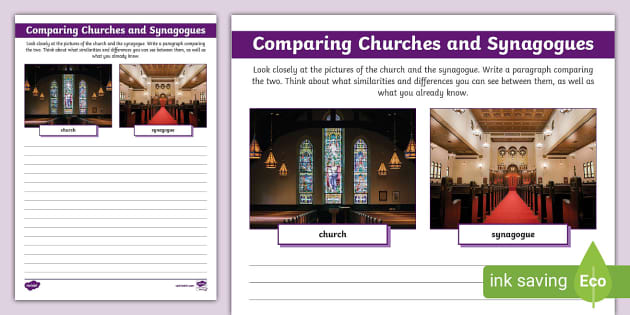
Churches and synagogues are not merely buildings; they are three-dimensional sermons carved from stone, wood, and light. A church often greets you with a facade that reaches for the heavens—towering spires, pointed arches, and gargoyles that seem to guard the sacred from the profane. The interior unfurls like a grand theater, with pews arranged in neat rows facing a pulpit, as if the congregation is collectively gazing toward a single divine spotlight. The altar, draped in gold or white, becomes the stage where sacraments unfold like acts in a divine drama.
Now, step into a synagogue. The architecture here is a study in understated elegance, where the exterior might be modest, even unassuming, but the interior is a symphony of meaning. The Aron Kodesh (Holy Ark), where the Torah scrolls reside, often takes center stage, flanked by eternal flames and flanked by menorahs. The bimah, a raised platform, becomes the focal point where rabbis and cantors lead the congregation in a choreography of prayer. Unlike the church’s hierarchical layout, the synagogue’s design often encourages a sense of communal intimacy, where everyone is both performer and audience.
Theological Choreography: Rituals in Motion
Here’s where the real drama unfolds. In a church, the liturgy is a carefully orchestrated ballet of sacraments. The Eucharist, a reenactment of Christ’s last supper, is the heartbeat of the service. The priest, robed in vestments that shimmer with symbolism, elevates the host as the congregation kneels in hushed awe. The sermon, a verbal pilgrimage, dissects scripture with the precision of a surgeon. And then there’s the music—haunting hymns that rise like incense, filling the vaulted ceilings with a sound that feels almost celestial.
In a synagogue, the rhythm is different. The service is a dialogue, not a monologue. The Torah is not just read; it is paraded through the congregation like a royal guest, with members rising to kiss the scroll as it passes. The prayers are recited in Hebrew, a language that carries the weight of millennia, and the congregation sways in a gentle, meditative motion known as *davening*. There’s no sermon in the traditional sense—instead, the rabbi might deliver a *drasha*, a homily that weaves together text, tradition, and personal reflection. The music here is often a cappella, the melodies haunting and ancient, designed to elevate the soul rather than entertain the ear.
The Symbolic Tapestry: Decoding the Visual Language
Every inch of a church and synagogue is a canvas painted with symbols. In a church, the cross is the undisputed star—a stark reminder of sacrifice and redemption. Stained glass windows depict saints, miracles, and biblical scenes, their colors filtering light into a kaleidoscope of divine stories. Statues of the Virgin Mary cradle the infant Jesus, while angels perch on cornices, their wings unfurled in eternal vigil. Even the simplest elements, like the baptismal font or the confessional booth, are laden with meaning.
In a synagogue, the symbols are no less profound but woven into the fabric of Jewish life. The Star of David, a hexagram of interlocking triangles, adorns everything from the ark to the prayer books, representing the union of heaven and earth. The menorah, a seven-branched candelabrum, stands as a beacon of wisdom and divine presence. The Ten Commandments, often etched above the ark, serve as a moral compass. Even the humble *kippah* (skullcap) worn by men is a symbol of reverence, a silent acknowledgment of a higher authority. And then there’s the *mezuzah*, a small case affixed to doorposts, containing a scroll of the Shema prayer—a daily reminder of faith as one enters and exits.
The Communal Heartbeat: Who Gathers and Why
Churches and synagogues are not just buildings; they are living, breathing organisms where communities gather to celebrate, mourn, and seek solace. In a church, the congregation is often a mix of families, friends, and strangers united by a shared faith. The service is a communal experience, where hymns are sung in unison, and the sign of peace—a handshake or embrace—bridges divides. The church becomes a second home, a place where life’s milestones—baptisms, weddings, funerals—are marked with rituals that bind generations together.
In a synagogue, the sense of community is equally strong but often more intimate. The congregation is a tight-knit family, where everyone knows each other’s names and struggles. The service is a shared journey, with congregants taking turns reading from the Torah, leading prayers, or offering personal reflections. The synagogue is not just a place of worship; it’s a social hub, a school, and a sanctuary. It’s where children learn their heritage, where the elderly find companionship, and where the grieving are embraced with casseroles and condolences.
The Unspoken Challenge: Bridging the Divide
But what happens when these two worlds collide? What if you, a curious soul, find yourself torn between the grandeur of a cathedral and the warmth of a synagogue? The challenge isn’t just about choosing one over the other—it’s about reconciling the differences, about finding the threads that connect rather than divide. Can the solemnity of a church service coexist with the joyous chaos of a synagogue celebration? Can the individualism of personal prayer in a church find harmony with the communal rhythm of a synagogue?
Perhaps the answer lies not in choosing sides but in embracing the beauty of both. After all, faith is not a monolith. It’s a mosaic of experiences, each piece contributing to the whole. Whether you’re drawn to the soaring arches of a church or the intimate embrace of a synagogue, the journey is the same: a quest for meaning, connection, and transcendence.
The Final Revelation: A Call to Curiosity
So, dear seeker, the next time you find yourself standing before these two sacred spaces, don’t just glance at the architecture or listen to the music. Step inside. Breathe in the air. Let the symbols wash over you. Ask questions. Seek understanding. Because the real magic isn’t in the differences—it’s in the shared humanity that binds us all.
Church or synagogue? The choice isn’t about which is better. It’s about which speaks to your soul. And perhaps, in the end, the greatest revelation is that they’re not so different after all.

